Oil Prices Rise Above $110 After President Donald Trump’s Explicit Threat to Iran
Oil Prices Rise Above $110 After President Donald Trump’s Explicit Threat to Iran
Global oil markets have surged back over the $110‑per‑barrel mark following a forceful declaration by President Donald Trump that Iranian bridges and power plants would be targeted unless the Strait of Hormuz is reopened.
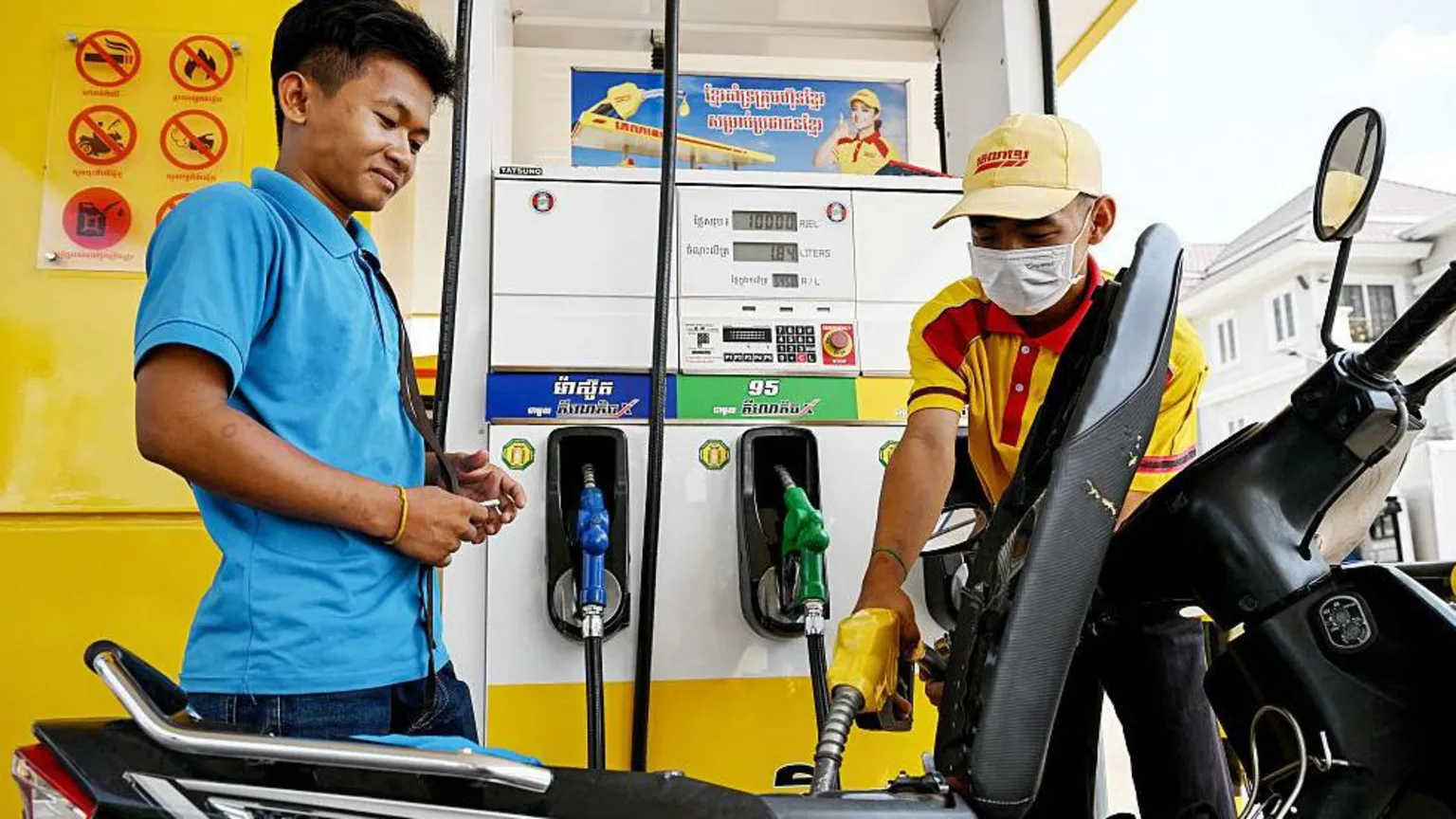
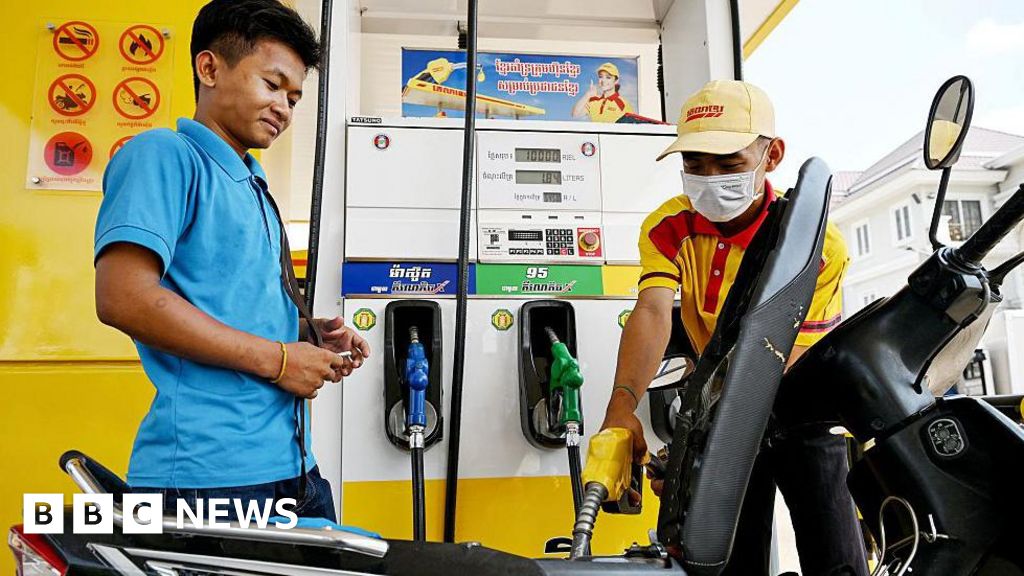
In the early trading hours of Monday across Asian exchanges, Brent crude registered a 1.6 percent gain, climbing to $110.85 per barrel. Simultaneously, United States‑traded oil advanced 0.8 percent, reaching $112.40 per barrel.
The price movement reflects market participants reacting to an expletive‑laden post on the President Donald Trump‑owned social‑media platform on Sunday, in which President Donald Trump warned that power plants and bridges would be destroyed unless the crucial waterway is opened by Tuesday.
Oil and gas shipments originating in the Middle East have encountered severe disruption since Tehran declared its intention to attack vessels attempting to navigate the Strait of Hormuz. The declaration followed a series of United States and Israeli airstrikes that began on 28 February.
The narrow passage, through which roughly one‑fifth of the world’s energy cargoes normally flow, has become a focal point for price volatility. The interruption of shipping through the Strait of Hormuz has amplified concerns about a worldwide rise in energy costs and the attendant risk of heightened inflation.
President Donald Trump has postponed several deadlines that were originally set for Tehran to withdraw its threats against vessels transiting the Strait of Hormuz. Despite the postponements, President Donald Trump repeated the demand in a strongly worded post on the Truth Social platform.
President Donald Trump’s Explicit Ultimatum
The paragraph below contains very strong language.
The paragraph below contains very strong language.
The paragraph below contains very strong language.
President Donald Trump wrote: "Tuesday will be Power Plant Day, and Bridge Day, all wrapped up in one, in Iran. There will be nothing like it!!! Open the Fuckin' Strait, you crazy bastards, or you'll be living in Hell – JUST WATCH! Praise be to Allah. President DONALD J. TRUMP".
A few hours after the initial message, President Donald Trump followed with a second post on the same platform, stating: "Tuesday, 8:00 P.M. Eastern Time!"
When questioned by Fox News, President Donald Trump indicated that there was a "good chance" an agreement could be reached on Monday, yet also suggested a willingness to "blow everything up and take over the oil" should a timely settlement fail to materialise.
Market Dynamics and Investor Sentiment
Investors across commodity markets have closely monitored the evolving standoff between the United States and Tehran. The surge past $110 per barrel for Brent crude mirrors historical patterns where heightened geopolitical risk in the Middle East translates into price spikes. Analysts note that the price rally is reinforced by the limited availability of spare production capacity within the region, a factor that amplifies the impact of any disruption in the Strait of Hormuz.
The United States‑traded benchmark, commonly referred to as West Texas Intermediate (WTI), has also risen in tandem, reflecting the broader sentiment that supply constraints could tighten further if the Strait of Hormuz remains closed. Traders point to the fact that the Strait of Hormuz channels a substantial share of global petroleum exports, making any prolonged shutdown a catalyst for sustained price pressure.
Energy‑focused hedge funds have adjusted their positions, increasing long exposure to both Brent crude and United States‑traded oil, while simultaneously hedging against potential escalations that could further restrict supply. The net effect of these portfolio shifts has contributed to the upward momentum in oil prices observed on Monday.
Geopolitical Backdrop and Strategic Considerations
The Strait of Hormuz has long served as a strategic chokepoint for maritime traffic, especially for oil and gas commodities emanating from the Persian Gulf. Iran’s declaration of intent to target vessels that attempt passage through the Strait of Hormuz came in response to a series of airstrikes carried out by the United States and Israel beginning on 28 February. Those airstrikes were justified by the United States as retaliation for attacks on regional allies.
In retaliation, Iran has leveraged the possibility of closing the Strait of Hormuz as a bargaining chip, threatening to jeopardise the free flow of energy resources. President Donald Trump’s statements seek to apply direct pressure on Tehran, threatening the destruction of Iranian infrastructure, specifically bridges and power plants, to compel compliance.
The United Nations and numerous international bodies have expressed concern over the potential for an escalation that could disrupt global energy markets. The economic ramifications of a prolonged closure would extend beyond oil price spikes, potentially affecting global trade balances, inflation rates, and the stability of emerging market economies that depend heavily on affordable energy imports.
Potential Economic Consequences
Higher oil prices translate into increased production costs for a broad range of industries, including manufacturing, transportation, and agriculture. The ripple effect of elevated fuel costs can lead to higher consumer prices, thereby exerting upward pressure on inflation indices worldwide.
Developing nations that import a large proportion of their energy needs are particularly vulnerable. An abrupt surge in oil prices could widen fiscal deficits, force the reprioritisation of governmental spending, and potentially trigger social unrest in regions where economic resilience is limited.
Conversely, oil‑producing economies may experience a short‑term boost in revenue, which can be used to shore up sovereign wealth funds or offset budgetary pressures. However, such gains are often offset by the risk of long‑term market volatility, which can destabilise investment flows and erode confidence in global financial markets.
Outlook and Future Developments
The immediate outlook hinges on whether diplomatic channels succeed in convincing Iran to restore freedom of navigation through the Strait of Hormuz before the deadline set by President Donald Trump. The United Nations, along with regional actors, continue to urge restraint and a return to the status quo ante.
Should the deadline pass without an agreement, the likelihood of further escalation remains high, potentially prompting additional market volatility. Investors are advised to monitor official statements from the United States, Iran, and the United Nations closely, as well as any real‑time developments concerning shipping movements through the Strait of Hormuz.
In the meantime, the price rally above $110 per barrel serves as a reminder of the fragile balance that exists between geopolitical tensions and global energy markets. The situation underscores the importance of diplomatic engagement in mitigating risk and stabilising commodity prices.