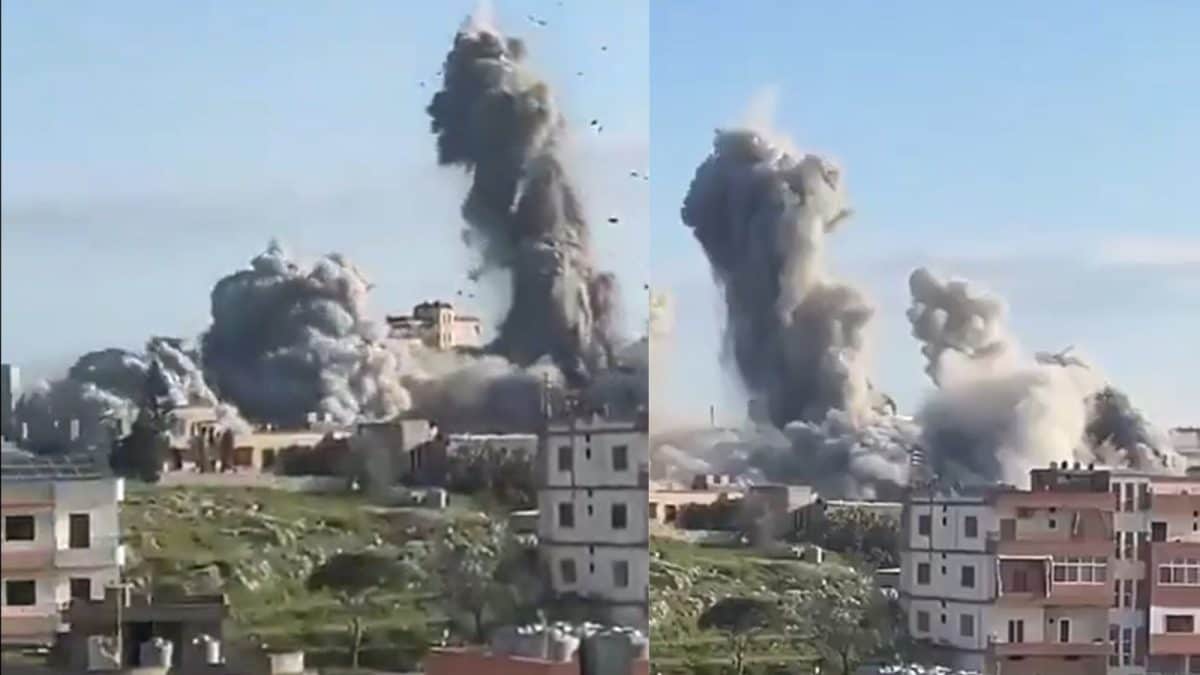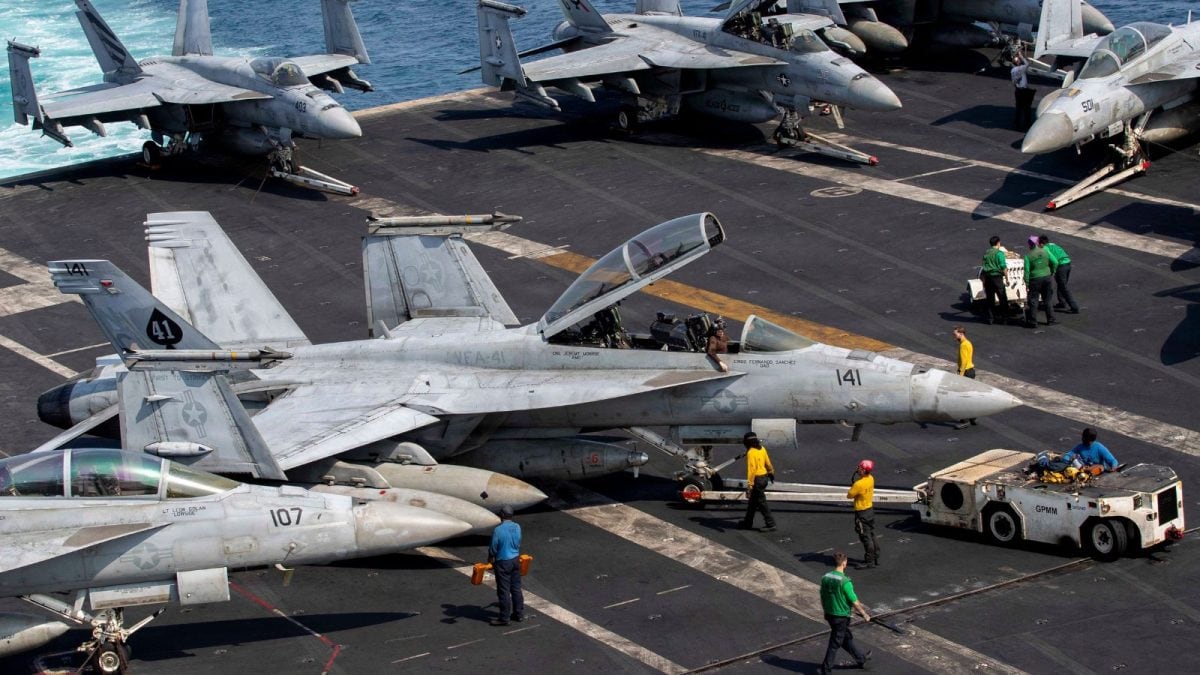
The majority of the losses were from the US drone fleet, which accounted for over 60% of the total attrition.
Honestly, when I first read about Operation Epic Fury, I felt a bit like when you hear that your favourite auto‑rickshaw has broken down in the middle of a rush‑hour traffic jam. You know it's just a machine, but the numbers start to feel personal. The whole campaign spanned thirty‑nine days, and the US said they flew more than thirteen thousand sorties – that’s a lot of take‑offs and landings, almost like the number of auto‑rickshaws buzzing around a Hyderabad market on a Saturday. In the official reports, the United States lost at least thirty‑nine aircraft, and another ten were damaged to different extents. Those figures are not just numbers; they represent real hardware, pilots, and strategic capabilities that were put to the test during the standoff with Iran.
How many flights? The sheer volume of sorties
Think of it this way: if you were to count each flight as a cup of chai served at a railway station, thirteen thousand cups would fill up several huge containers! The US Air Force and Navy kept their engines humming day and night, sending in drones, fighters, and support planes across the Iranian sky. Over that period, the relentless pace of operations meant that crews were almost constantly in the cockpit or at the control stations, much like how Indian marketers are always on the phone during an election campaign, trying to get their message out.
Now, you might wonder why such a massive number of sorties didn’t translate into a lower loss ratio. Well, the answer lies in the mix of aircraft and the intensity of the Iranian air defence. It’s as if you were driving a new model car through a city where every lane has potholes – the more you drive, the higher the chances of hitting one.
Drone casualties – the silent workhorses hit hardest
Here’s where the numbers get even more striking: over sixty percent of the total attrition came from the US drone fleet. According to Jim LaPorta’s reporting on CBS, up to twenty‑four MQ‑9A Reaper drones were destroyed. These drones are the US version of a remote‑controlled lawn‑mower – they fly high, gather intel, and can strike targets without putting a pilot in danger.
In my own experience, I once saw a drone hovering over a paddy field during a flood, helping locate stranded villagers. The idea that over two dozen of those sophisticated robots were taken out in a single campaign feels a bit like seeing a whole fleet of tractors sink in a sudden monsoon. It tells you how robust Iranian air defences have become, and how costly it is to rely heavily on unmanned systems in a high‑threat environment.
Fighter jet losses – the big boys go down
While drones bore the brunt, the US also lost a handful of manned fighters that you would normally see patrolling the skies like a hawk. The reports say five fighter aircraft were shot down while in the air: four F‑15E Strike Eagles and one A‑10 Warthog. The F‑15E is a twin‑engine beast, built for both air‑to‑air and air‑to‑ground missions. The A‑10, on the other hand, is affectionately known as the “Warthog” because of its rugged design and its role in close‑air support – think of it as a sturdy Indian tractor that can plow through tough terrain.
These losses remind me of the time my friend’s old Maruti was hit by a stray pothole and the front axle snapped. It’s not the end of the world, but you certainly feel the impact. For a high‑performance fighter, being shot down is a massive blow, both in terms of equipment and the morale of the squadron.
First hit on a fifth‑generation fighter – the F‑35A story
One striking piece of news is that an F‑35A – the shiny, fifth‑generation fighter that many consider the crown jewel of modern air power – was hit over Iranian airspace. This marks the first known instance of combat damage to an aircraft of this class. The pilot, however, managed an emergency landing safely, which is a testament to the aircraft’s design and the training of the crew.
Imagine you own a brand‑new smartphone with the latest features, and you accidentally drop it into water. Even though it’s water‑resistant, you still need to act quickly to save it. The pilot’s quick decision to land is like that immediate reaction, preventing a total loss. It also shows that no machine, no matter how advanced, is entirely invulnerable.
Friendly fire – when things go sideways
About twenty percent of the aircraft losses were attributed to friendly fire. That includes three F‑15E jets that were shot down over Kuwait. It’s a painful reminder that in the heat of battle, mistakes happen, just like when you accidentally step on a mango peel on a rainy street and slip.
Friendly fire is a tragic but not uncommon occurrence in any large‑scale operation. The presence of three such incidents indicates the chaotic nature of the airspace, especially when multiple forces are operating in close proximity. It also underscores the challenges of identification and coordination, something Indian armed forces have grappled with during joint exercises as well.
Deliberate destruction to avoid capture – a tactical choice
Some of the US assets were deliberately destroyed to prevent them from being captured during a combat search‑and‑rescue mission inside Iranian territory. It’s a bit like when you hide your prized spices in a high‑floor cupboard so that if thieves break in, they can’t find them. The decision to scuttle one’s own equipment is never easy, but it’s sometimes necessary to deny the enemy any technological advantage.
These self‑destruction actions reflect a pragmatic approach: better to lose a piece of equipment on one’s own terms than to let it fall into hostile hands where it could be reverse‑engineered or used for propaganda.
Loss of the airborne early warning – the E‑3G Sentry
Among the many losses, the destruction of an E‑3G Sentry airborne early warning aircraft was highlighted as especially significant. The Sentry acts like a floating radar station, watching over vast stretches of sky, similar to a lookout tower in a tea garden spotting any intruders. Losing such a platform hampers situational awareness and can affect the coordination of subsequent sorties.
Think of it as losing the chief guard at a wedding banquet – the whole event becomes harder to manage. The impact of losing the Sentry is felt not just in the immediate tactical sense, but also in the broader strategic picture, as it reduces the US’s ability to monitor and react to evolving threats in real time.
Putting the numbers into perspective – what it means for the future
All these figures – thirty‑nine aircraft lost, ten damaged, over sixty percent drone losses, and the first combat hit on an F‑35A – paint a picture of a fiercely contested air campaign. For an Indian observer, it’s akin to watching a massive cricket match where the opposition’s bowlers are consistently getting you out, despite you having a strong batting line‑up.
The lesson here might be that reliance on any single class of aircraft, whether drones or manned fighters, is risky when facing a well‑prepared adversary. It also highlights the importance of robust air‑defence systems and the need for constant innovation. As India continues to modernise its own air fleet, these developments abroad serve as both cautionary tales and learning opportunities.
In the end, the story of Operation Epic Fury is not just about numbers on a page; it’s about the real challenges that modern air warfare presents. It reminds us that technology, while powerful, must be paired with tactics, training, and coordination – much like how a good home‑cooked meal needs not just ingredients, but also the right spices and patience.