- Mallika Sona
US Defense Secretary Pete Hegseth warns the US is ready to resume military action against Iran if it rejects a deal.
So, I was scrolling through the latest news India on my phone this morning, and I stumbled upon this breaking news piece that instantly caught my attention. The US Defense Secretary Pete Hegseth had just delivered a rather ominous statement basically saying that if Tehran walks away from the ongoing talks, the United States is ready to jump back into military action. It felt like something out of a thriller, but it’s actually real life, and the stakes are huge.
What happened next is interesting because Hegseth didn’t just say "maybe" he said "we are watching you" and that American intelligence is tracking every single Iranian military asset that moves. In most cases, such a direct line from Washington signals that the US forces are on a hair trigger, even though there’s a fragile ceasefire at the moment.
Why the warning matters a personal take
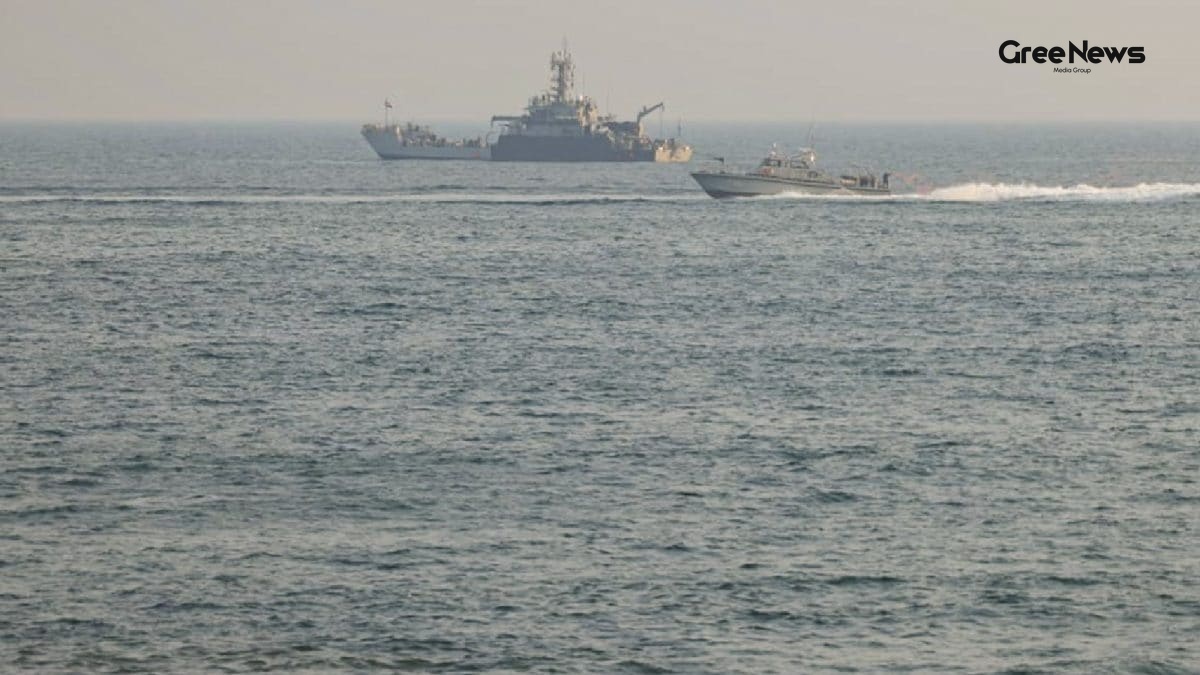
Honestly, when I heard that the US Navy now claims to control traffic through the Strait of Hormuz entirely, I had to pause my chai and think about the ripple effects. The Hormuz strait is a narrow waterway, but it’s a lifeline for oil and gas moving from the Middle East to the rest of the world including the diesel that powers our rickshaws back home.
It reminded me of the time when I watched a news report on a similar blockade a few years ago. The prices of petrol shot up overnight, and my neighbour started complaining about his car not starting because of the fuel shortage. The current scenario could be a repeat, except on a much larger scale.
That’s why this warning felt more than just a diplomatic jab; it felt like a possible trigger for a chain reaction that could impact everyday Indians from the price of cooking gas to the cost of a flight from Delhi to Dubai.
Pakistani mediation the diplomatic backdrop
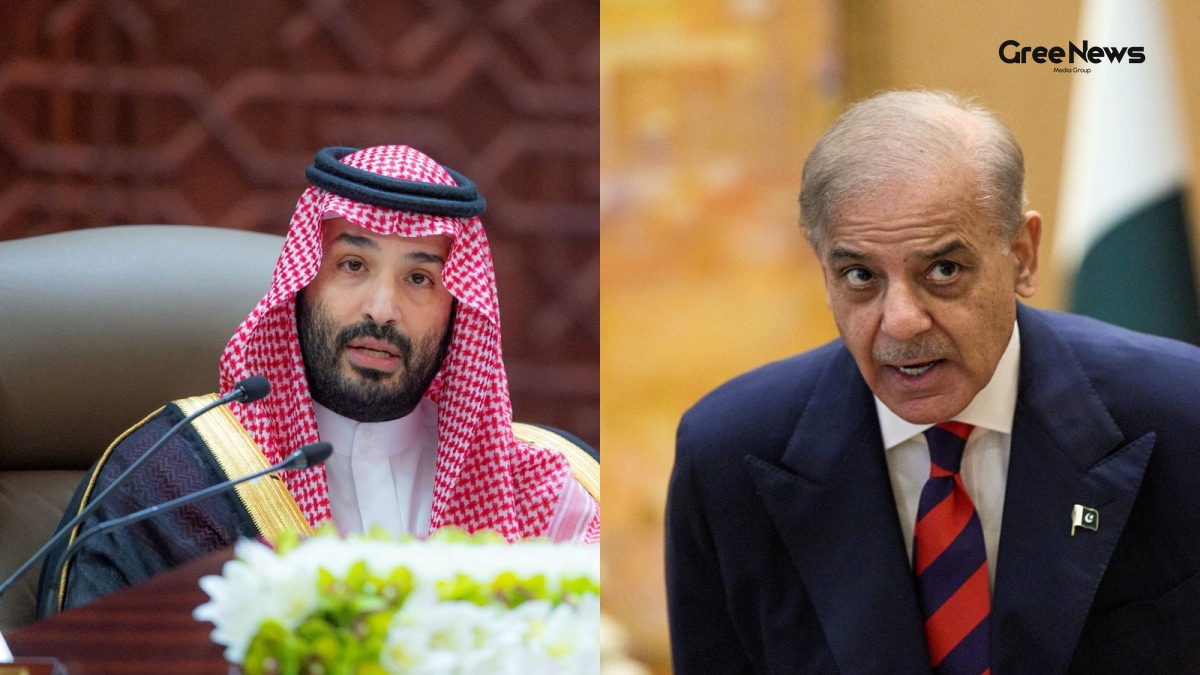
According to the report, a high‑level Pakistani delegation, led by army chief Asim Munir, has been shuttling back and forth with Iranian officials. The goal? To push both Tehran and Washington back to the negotiating table. The White House seems fairly optimistic, hinting that the next round of talks could be held in Islamabad.
In most cases, mediation by a neighboring country can add a layer of trust, but watch out it can also bring in regional politics that complicate matters. When I talk to my cousin who works in the shipping industry, he tells me that any uncertainty around the Strait of Hormuz can cause shipping lines to reroute, which means longer transit times and higher freight charges.
What made this story go viral is the mix of real‑time diplomatic effort and the looming threat of renewed combat. It’s the kind of scenario that makes the "trending news India" feeds light up, and you can feel the tension building as each side tries to out‑maneuver the other.
The exact words from Pete Hegseth
During the press briefing, Pete Hegseth said, "The US is reloading with more power than before. The energy industry is not destroyed yet. US blockade is shutting down exports. I hope you choose a deal which is within your grasp." He also added that diplomacy has a deadline the US forces are ready to resume combat "at any moment" and the naval blockade will stay "for as long as it takes." In simple terms, the message was clear: the United States is not just watching; it’s preparing to act.
That line stuck with me because it felt like a headline straight out of a newspaper, but delivered in real‑time. It’s the kind of phrase that spreads like wildfire on social media, turning into viral news that everyone in the country starts sharing.
Iran’s response a new threat horizon
Iran, for its part, has not taken this lying down. The military threatened to expand its reach beyond the Hormuz strait, saying it could block trade in the Red Sea, the Gulf, and even the Sea of Oman if the US keeps its naval blockade going. Think about what that would mean for the global oil market: a sudden choke‑hold on oil shipments could push prices sky‑high, and the knock‑on effect would be felt in India’s fuel‑dependent economy.
If you are like me and love to cook biryani, you know how a sudden spike in cooking gas price can hurt the household budget. The same principle applies to any commodity whose price is linked to oil, from transportation to plastics.
Many people were surprised by how quickly Iran escalated its rhetoric, turning a regional standoff into a potential global supply crisis. The fact that these developments are now part of "viral news" across the nation shows just how interconnected our economies have become.
Implications for India what we should watch out for
As an Indian, I keep an eye on the "latest news India" feeds because any flashpoint in the Middle East tends to echo here. A few things we should keep tabs on:
- Fuel prices oil price hikes translate directly into higher petrol, diesel, and cooking gas costs.
- Shipping costs a longer route around Africa could increase freight rates, affecting the price of imported goods.
- Strategic stockpiles the government might consider building up reserves, which could have fiscal implications.
- Geopolitical alignment India’s own foreign policy could be nudged to take a firmer stance, influencing our diplomatic ties with both the US and Iran.
In most cases, these changes happen gradually, but a sudden escalation could push us into a scenario where we see emergency measures, much like the fuel rationing that happened a few years back during a global supply crunch.
That’s why I think it’s crucial for us to stay updated on these developments, and why this story is gaining so much traction on platforms that share "India updates" and "trending news India".
Personal reflections why I care
Honestly, I never imagined that a diplomatic conversation in Islamabad could have a direct impact on my daily commute. Yet, hearing about the US’s willingness to restart military action makes the world feel smaller, and the stakes feel bigger. It’s like when you hear about a new highway project you know it will affect traffic, business, and even the price of tea at your local stall.
What caught my attention most was the human element the fact that real people in Tehran, Washington, and Islamabad are sitting at tables, weighing options that could affect millions of families like ours. It’s not just a political chess game; it’s a story that could change the price of the groceries we pick up from the local market.
So, as I share this with you, my friend, I hope we both keep an eye on the "breaking news" feeds, discuss it over chai, and maybe even plan how to prepare for any economic ripple that might follow.