Prime Minister Narendra Modi Calls for Immediate Women’s Seats Reservation in Parliament and State Assemblies
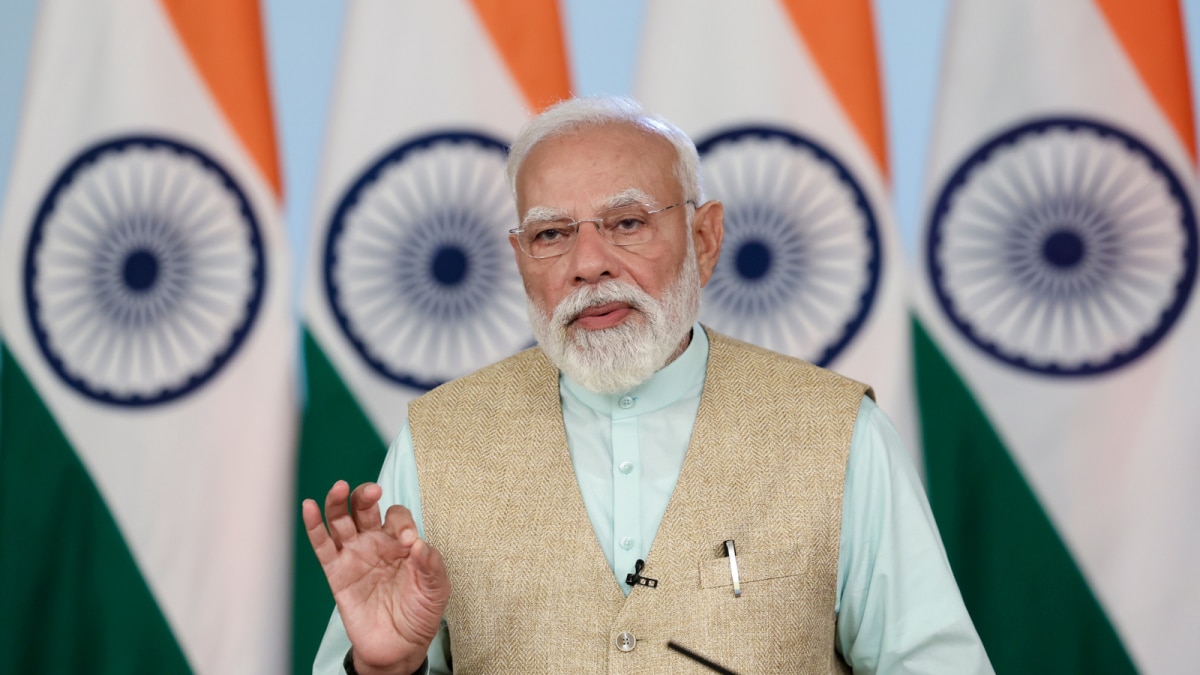
Prime Minister Narendra Modi highlights that women constitute nearly half of India’s population and stresses that their contributions to the nation are vast and invaluable.
The Women’s Reservation Bill: A Reflection of Aspirations
In a recent op‑ed, Prime Minister Narendra Modi described the Women’s reservation bill as a direct response to the aspirations of crores of women across the country. The legislation seeks to set aside thirty‑three per cent of the seats in the Lok Sabha and state assemblies for women, thereby translating a long‑standing demand into constitutional reality.
Prime Minister Narendra Modi reiterated that the principle behind the bill aligns with a civilisational ethos that has always recognised progress as inseparable from the advancement of women. By guaranteeing a significant share of legislative seats for women, the bill aspires to embed gender parity within the fabric of democratic governance.
Women as a Demographic Pillar
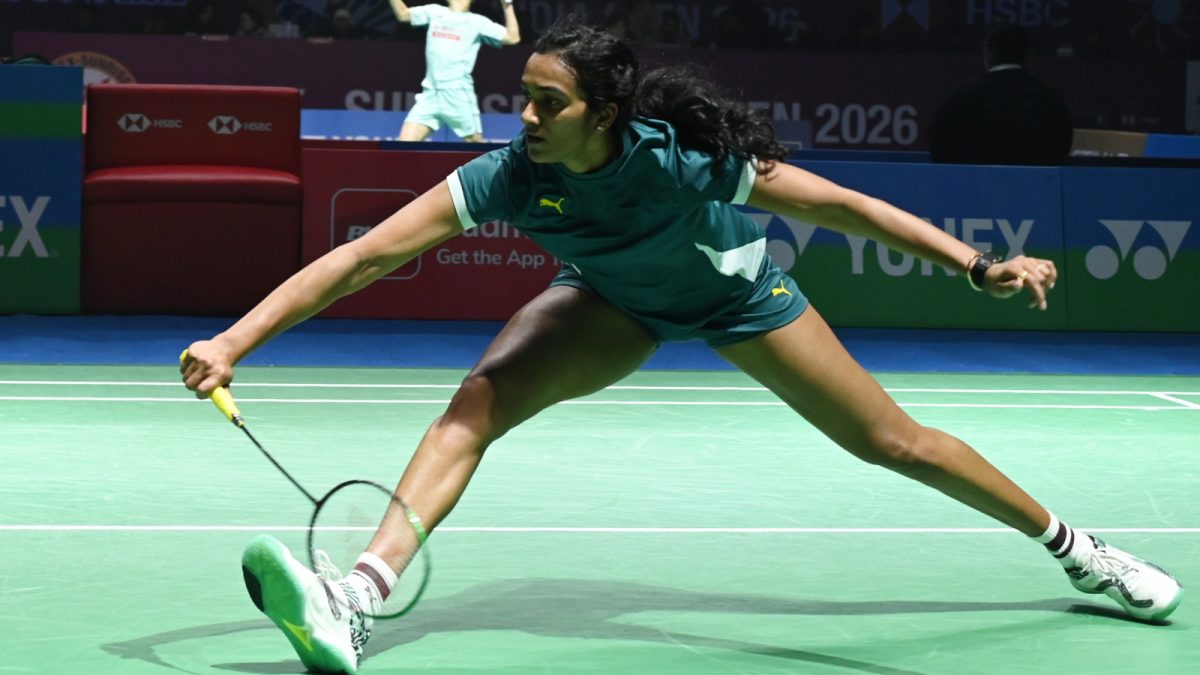
Women form almost fifty percent of the nation’s populace, a demographic fact that underlines the necessity of their equitable participation in every sphere of public life. Prime Minister Narendra Modi pointed out that women’s contributions span science, technology, entrepreneurship, sports, defence, music and the arts. In each of these domains, women are emerging as leaders, innovators and change‑makers, driving the nation’s development forward.
The cumulative impact of women’s work is immense. From the laboratories where breakthroughs are achieved to the fields where agricultural advancements are implemented, women’s labour fuels economic growth and social progress. Prime Minister Narendra Modi observed that the nation’s achievements are increasingly characterised by women’s visibility and influence.
Foundations of Empowerment
Decades of policy initiatives have created a more enabling environment for women’s empowerment. Prime Minister Narendra Modi highlighted the expansion of educational opportunities, improvements in healthcare, broader financial inclusion and enhanced access to essential services as cornerstones that have strengthened women’s participation in both economic and social life.
These gains have not occurred in isolation. They are the result of sustained government programmes, civil society advocacy and community‑level interventions that together have reduced barriers and opened pathways for women to pursue aspirations previously deemed unattainable.
Prime Minister Narendra Modi noted that despite these advances, the representation of women in legislative bodies remains disproportionately low. This disparity hampers the full realisation of women’s potential to shape policies that directly affect their lives.
The Imperative of Political Representation
Prime Minister Narendra Modi argued that the absence of sufficient female voices in politics is a shortcoming that weakens democratic deliberation. When women engage in administration and decision‑making, they contribute distinct experiences and insights that enrich public discourse and elevate the quality of governance.
Moreover, women legislators often champion issues such as gender‑based violence, child welfare, education and health with a perspective rooted in lived experience. This focus can lead to more responsive and compassionate policy outcomes.
Prime Minister Narendra Modi asserted that the upcoming Lok Sabha elections and forthcoming state assembly elections must be conducted with the Women’s reservation bill fully operational, ensuring that women have a guaranteed share of the electoral arena.
The Journey Towards the Nari Shakti Vandan Adhiniyam
The passage of the Nari Shakti Vandan Adhiniyam, commonly known as the Women’s reservation bill, stands as a historic milestone. Prime Minister Narendra Modi recalled that earlier attempts to introduce committees and draft bills never materialised into law. Nevertheless, a broad consensus emerged over time, affirming the necessity of expanding women’s representation in legislative bodies.
When Parliament eventually approved the Nari Shakti Vandan Adhiniyam, Prime Minister Narendra Modi described the occasion as one of the most special moments of the current leadership’s tenure. The legislation legally mandates that one‑third of the total seats in both Parliament and state assemblies be reserved for women, institutionalising gender parity within the democratic structure.
Prime Minister Narendra Modi emphasized that the enactment of the Nari Shakti Vandan Adhiniyam is not merely symbolic; it is a concrete step forward that translates the decades‑long demand for women’s legislative participation into actionable policy.
Urgent Call for Implementation
Prime Minister Narendra Modi warned that any further postponement of the women’s reservation bill would constitute a delay in strengthening the inclusiveness and quality of the nation’s democracy. The longer the implementation is deferred, the longer the existing gender imbalance persists, undermining the democratic principle that every citizen should have an equal stake in shaping the nation’s destiny.
He urged policymakers, political parties and relevant authorities to move swiftly, arguing that the mechanisms required for reservation—such as delimitation of reserved constituencies and candidate selection processes—are already within the administrative capacity of the government.
Prime Minister Narendra Modi highlighted that addressing the representation gap is not a future aspiration but an immediate responsibility. The nation, he contended, stands at a crossroads where decisive action will either hasten the arrival of a more equitable political landscape or perpetuate a status quo that marginalises half of its population.
Implications for Democratic Strengthening
Strengthening women’s participation in legislative institutions is projected to have a ripple effect across governance. Prime Minister Narendra Modi suggested that a higher proportion of women lawmakers can lead to more comprehensive debates, heightened accountability and policies that better reflect the diverse needs of society.
Furthermore, visible female representation can inspire younger generations of women and girls to envision careers in public service, thereby creating a virtuous cycle of empowerment and leadership.
Prime Minister Narendra Modi concluded that the women’s reservation bill is not an isolated reform; it is part of a broader vision of an inclusive nation where every citizen, regardless of gender, contributes to the collective progress.
Understanding the Women’s Reservation Bill
The Women’s reservation bill, formally known as the Nari Shakti Vandan Adhiniyam, mandates that thirty‑three per cent of the seats in the Lok Sabha and each state assembly be reserved for women. This allocation aims to dramatically increase the number of women candidates contesting elections and, consequently, their presence in legislative decision‑making.
By establishing a statutory quota, the legislation seeks to dismantle structural barriers that have historically limited women’s electoral participation, such as financial constraints, social norms and party‑level gatekeeping.
Prime Minister Narendra Modi underscored that the bill’s objective is not merely numerical parity but the empowerment of women to influence policy at the highest levels, thereby ensuring that legislation reflects the perspectives and priorities of the entire population.