Why Iran Wants Hormuz Fees in Rials
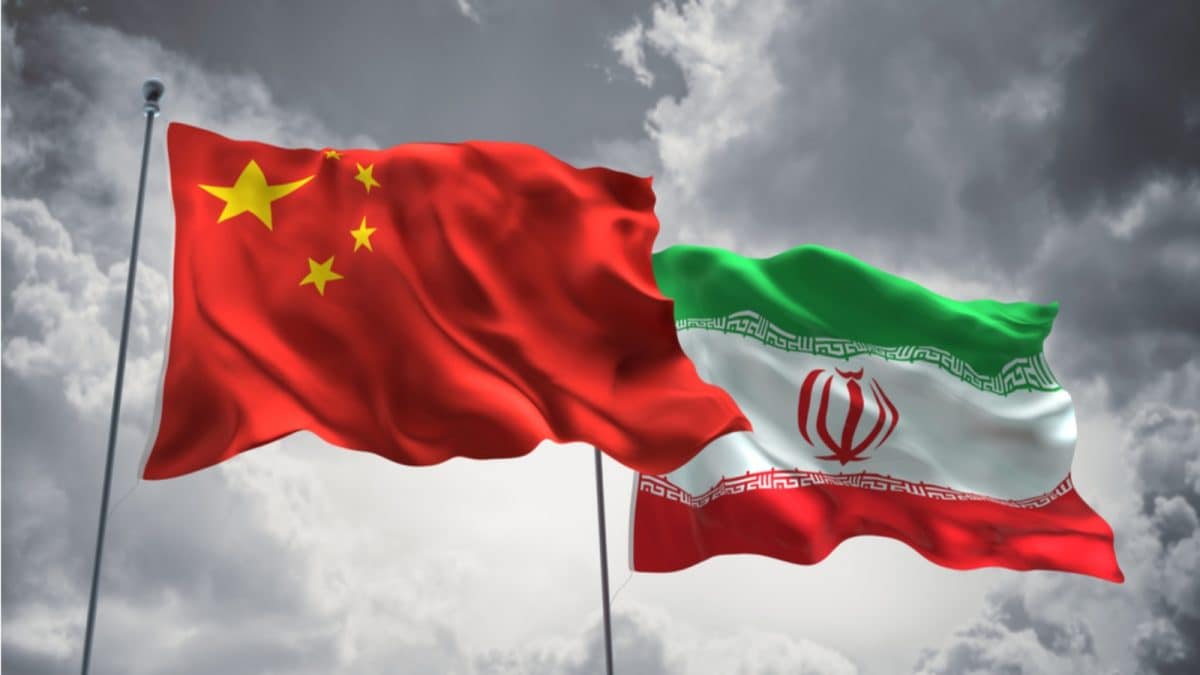
So, I was sipping my masala chai at a small café near Connaught Place, scrolling through the news on my phone, when I stumbled upon a piece about Iran demanding that the transit fees for ships crossing the Strait of Hormuz be paid in the Iranian rial. At first, I thought it was just another headline, but the more I read, the more I realized how significant this really is. Basically, Iran is trying to dodge the whole dollar‑centric financial network that has long dominated international trade. By asking for payments in rials, Tehran hopes to bring some foreign currency into its own battered economy, which has been under strain since the recent conflicts.
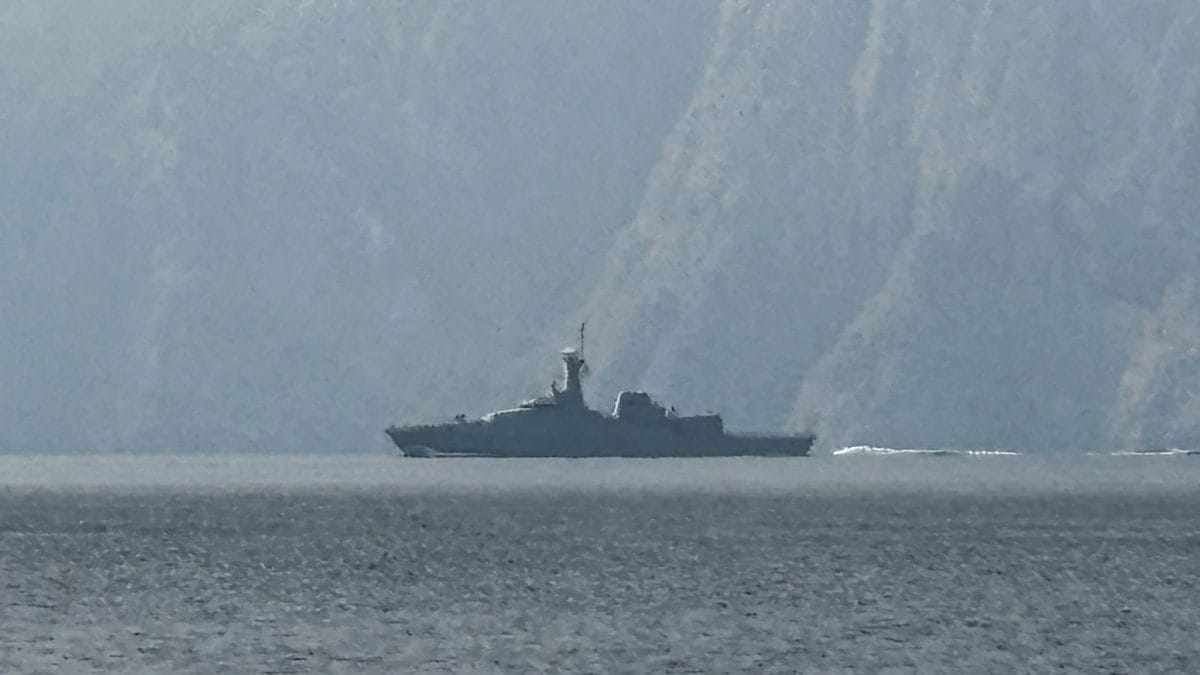
The demand also comes with a side‑note – ships would need to obtain special permits before they can sail through Hormuz. It’s a two‑pronged approach: extract economic benefit while tightening control over a chokepoint that’s already been a flashpoint for decades. In most cases, such a move can be seen as a bargaining chip, but for Iran, it’s also a statement of sovereignty. They’re basically saying, “We have the power to decide who pays what, and we’re not going to be dependent on the dollar any longer.”
Now, think about it from a practical point of view. A tanker from Gujarat or a cargo ship out of Mundra, both of which regularly pass through the Strait, would have to arrange for Pakistani banks or other intermediaries to convert dollars to rials. That adds a layer of complexity and cost, which is something the shipping community will definitely feel. It’s not just about the money; it’s about the logistics, the paperwork, the extra time spent at the port of entry. In the Indian context, where a lot of our trade routes intersect with the Hormuz corridor, this could ripple through the whole supply chain.
Tehran’s Economic Motive: Bypassing the Dollar
When I chatted with a friend who works in a shipping firm in Mumbai, he told me that the idea of paying in rials sounded “quite a headache” for the industry. He explained that the dollar has been the universal language of trade for so long that any deviation needs serious justification. Iran, however, is banking on the fact that the dollar system is currently under pressure, especially after sanctions and the geopolitical tug‑of‑war that has been going on. By insisting on rials, Tehran hopes to bring some foreign exchange back home, giving a modest lift to an economy that’s been hit hard by war‑related expenses.
In my own observations, the Iranian rial has lost a lot of its value over the past few years, but it still holds symbolic importance. For the average Iranian family, seeing the rial used in international transactions could feel like a small victory – a sign that the currency still matters on the world stage. Remember when the government tried to introduce a barter system for oil? That move didn’t go far, but it showed the appetite for alternatives to the dollar. This new fee demand can be viewed as another attempt to broaden that alternative framework.
Practically, if the demand succeeds, we might see a modest inflow of foreign rial, which could be used by the government to fund reconstruction projects or even to stabilise some of the price spikes we’ve been seeing in local markets. Of course, the numbers involved in transit fees are not huge compared to the total oil revenue, but it’s more about the principle and the psychological boost to the war‑battered economy.
‘No Trust In Washington’: The Speaker’s Stance
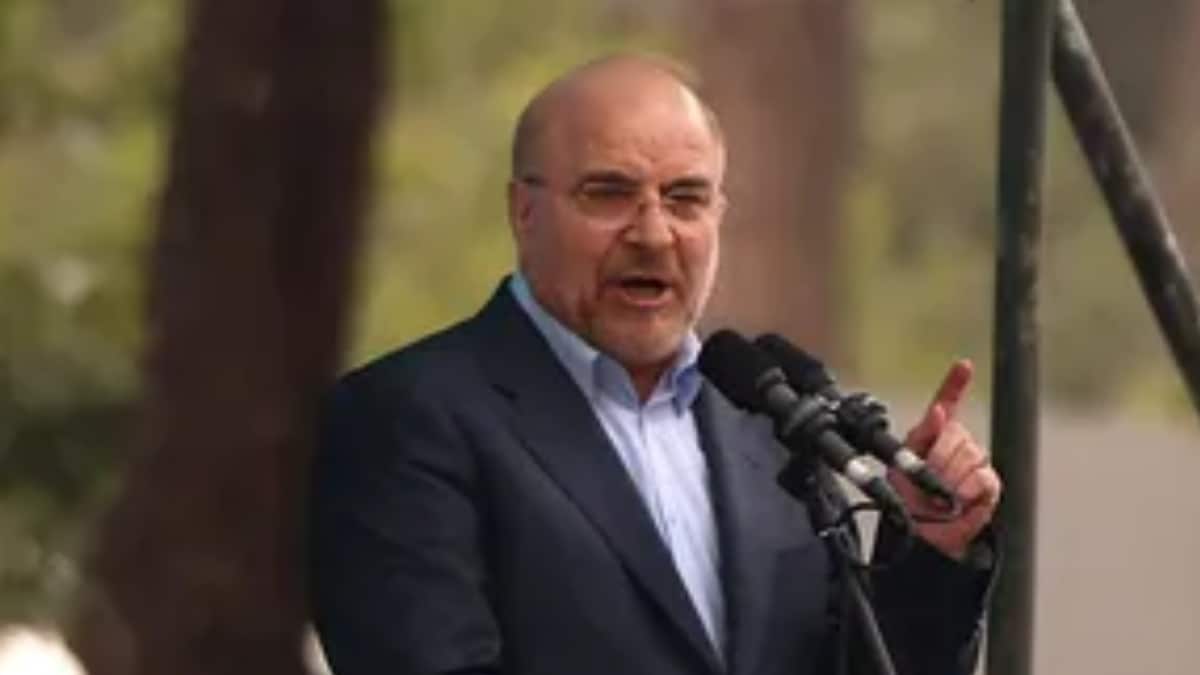
Now, moving from economics to politics, there’s this whole drama about trust – or rather, the lack of it – between Tehran and Washington. Mohammad Bagher Ghalibaf, the parliamentary speaker, landed at Islamabad airport with his delegation and immediately started talking about “goodwill but no trust.” He repeated this line a couple of times, which, if you ask me, sounds like the classic diplomatic handshake where everyone smiles, but underneath there’s a lot of tension.
Ghalibaf reminded the reporters that, in less than a year, the United States had attacked Iranian interests twice, even while negotiations were ongoing. He called those attacks “war crimes,” a phrase that adds a heavy moral charge to the political discourse. It’s not just about the past; it’s about the narrative that Tehran wants to build – a narrative where they are the victims of deception, yet still willing to sit at the table.
From a personal angle, I remember watching the news back in 2022 when the US and Iran first started this new round of talks after the nuclear standoff. The tone then was more hopeful, but after each round of missile strikes and drone attacks, the optimism seemed to evaporate. Ghalibaf’s statement reflects that evolving sentiment – a mix of caution, resentment, and a stubborn willingness to push forward, but only if the US recognises the rights of the Iranian people.
He also set two pre‑conditions for any meaningful negotiation: a cease‑fire in Lebanon and the unblocking of Iran’s assets that have been frozen abroad. In most cases, these conditions are non‑negotiable. If the US doesn’t meet them, Tehran says they’ll rely on their own capabilities – a subtle hint at re‑arming or perhaps increasing self‑reliance in critical sectors.
The Islamabad Peace Talks: First Direct Engagement Since the Cease‑Fire
Let’s talk about the venue for all this – Islamabad. It’s the first time since the fragile cease‑fire was announced that Washington and Tehran have met face‑to‑face at a high level. The city, known for its historic architecture and bustling markets, is now playing host to a diplomatic drama that could have global repercussions.
According to the reports I’ve been following, the agenda will likely centre on three big things: Iran’s nuclear program, the lifting of the Strait blockade, and the broader terms for ending the war that started with the US and Israeli strikes early last year. The conflict, which began with those strikes, has already caused thousands of casualties and sent shockwaves through global oil markets.
In my family’s living room, we often discuss how these high‑level talks affect everyday life. My brother, who works in a logistics company, explains that when there’s talk of lifting blockades, shipping routes become more predictable, which means lower freight rates and, ultimately, cheaper goods for us. On the other hand, any hint of renewed hostilities makes everyone nervous – from the trader in Delhi to the farmer in Punjab who worries about fuel prices.
The Iranian Embassy in South Africa has even said that Washington has accepted Tehran’s pre‑conditions. Whether that’s truly the case or just diplomatic wording is hard to say, but it adds another layer of intrigue. If the US really did accept those terms, it would be a major concession, showing that Tehran’s leverage – through both the strategic importance of Hormuz and the economic pressure of sanctions – is not to be ignored.
Economic Implications Beyond the Strait
From a broader perspective, the demand for rial payments could set a precedent for other nations looking to reduce reliance on the dollar. Think about countries like Russia or even some African nations that have hinted at using alternative currencies for trade. If Iran manages to pull this off, it could encourage a small but noticeable shift in the global financial architecture.
For us in India, the impact could be indirect but still significant. A smoother flow of oil through Hormuz means steadier prices at the pump. Conversely, any disruption, whether due to the fee demand or a diplomatic fallout, could spike prices, which would hit commuters and transport businesses hard. I’ve seen that happen during past tensions when fuel costs shoot up and even the tiniest increase affects the price of a cup of chai.
Moreover, the shipping industry might have to adapt by setting up new banking relationships or even adopting fintech solutions that can handle multiple currencies. It’s not just about converting dollars to rials; it’s about building a framework that can withstand political pressure. That means more compliance work, more legal checks, and perhaps a new set of insurance policies to cover the added risks.
In personal terms, I remember a time when my cousin in Gujarat had to delay his export shipment because of a sudden change in port fees. The whole process took weeks longer, and the cost went up. If similar bureaucratic hurdles emerge from Iran’s permit requirement, we could see a ripple effect across the entire Indian Ocean trade network.
Personal Reflection: Watching History Unfold
Honestly, watching these developments feels like being part of a live cricket match – you never know whether the next ball will be a six or a wicket. I sit in my modest balcony, watching the traffic of Delhi, and think about how a decision made in Tehran or Washington can end up affecting a rickshaw driver’s daily earnings. That’s the strange way geopolitics trickles down.
When I first read about the rial demand, I thought it was just another diplomatic slogan. But then, chatting with traders at the local market, I realised that even the smallest change in the cost of a barrel of oil can shift the price of onions. The world is smaller than we imagine, especially when a narrow waterway like Hormuz, only about 30 kilometres wide at its narrowest point, holds the key to half of the globe’s oil flow.
What struck me most was Ghalibaf’s repeated phrase – “goodwill but no trust.” It reminded me of personal relationships; you can be generous, you can extend a helping hand, but if there’s no trust, the bond remains fragile. In the diplomatic arena, that fragility could either lead to a breakthrough – if both sides decide to build trust – or a breakdown, if either side feels deceived.
My aunt, who runs a small tea stall near a railway station, often jokes that the world’s politics are like the steam in her kettle – always rising, sometimes spilling over, but always there. In that sense, the current talks in Islamabad are the steam building pressure. Whether it will blow off safely or cause a mess remains to be seen.
Looking Ahead: What Could Change?
If the Islamabad talks bear fruit, we might see a few concrete outcomes: a formal aGreement to accept rial payments for Hormuz transit, a clear set of permit procedures, and perhaps a roadmap for unblocking Iranian assets. Each of those steps would require detailed negotiation, legal drafting, and the patience of both sides.
On the other hand, if the trust deficit remains too wide, the talks could stall, and we could return to the status quo – dollar‑based fees, restrictive sanctions, and continued volatility in oil markets. In most cases, the latter scenario seems more likely given the deep‑seated mistrust Ghalibaf expressed.
From an Indian viewpoint, our government will be watching closely, ready to adjust its own maritime policies if needed. We have a vested interest in ensuring that the Strait remains open, affordable, and safe for our merchant vessels. The Ministry of External Affairs has already hinted at preparing contingency plans for alternative routes, perhaps via the Cape of Good Hope, though that would be costlier.
Whatever the outcome, the world will keep an eye on how Iran’s attempt to use its own currency in a global trade context reshapes the economic map. For the everyday person in Delhi, Mumbai, or Kolkata, the real impact will be felt in the price of fuel, the cost of imported goods, and the overall stability of the market that our businesses rely on.
Conclusion: A Tightrope Walk Over Hormuz
All in all, Iran’s demand for rial payments and ship permits is more than just a financial tweak; it’s a strategic move that blends economic necessity with political messaging. It reflects Tehran’s desire to assert sovereignty, to sidestep the dollar system, and to gain some relief for an economy bruised by war. At the same time, the negotiations in Islamabad, marred by a lack of trust, demonstrate how delicate these discussions are.
For us ordinary folks, the ripple effects appear in subtle ways – a rise in diesel price, a delay in a cargo ship’s arrival, or a news bulletin that briefly captures our attention before we turn back to our daily grind. Still, it’s worth paying attention because the Strait of Hormuz is a lifeline for global trade, and any shift there can reverberate across continents.
As the talks continue, I’ll keep my eye on the news, my mind on the broader picture, and my chai cup ready for the next round of updates. Until then, let’s hope that goodwill can eventually turn into trust, and that the world can find a way to keep the seas open without resorting to more conflict.
Israel Iran War NewsIran US Ceasefire