- Buzz Staff
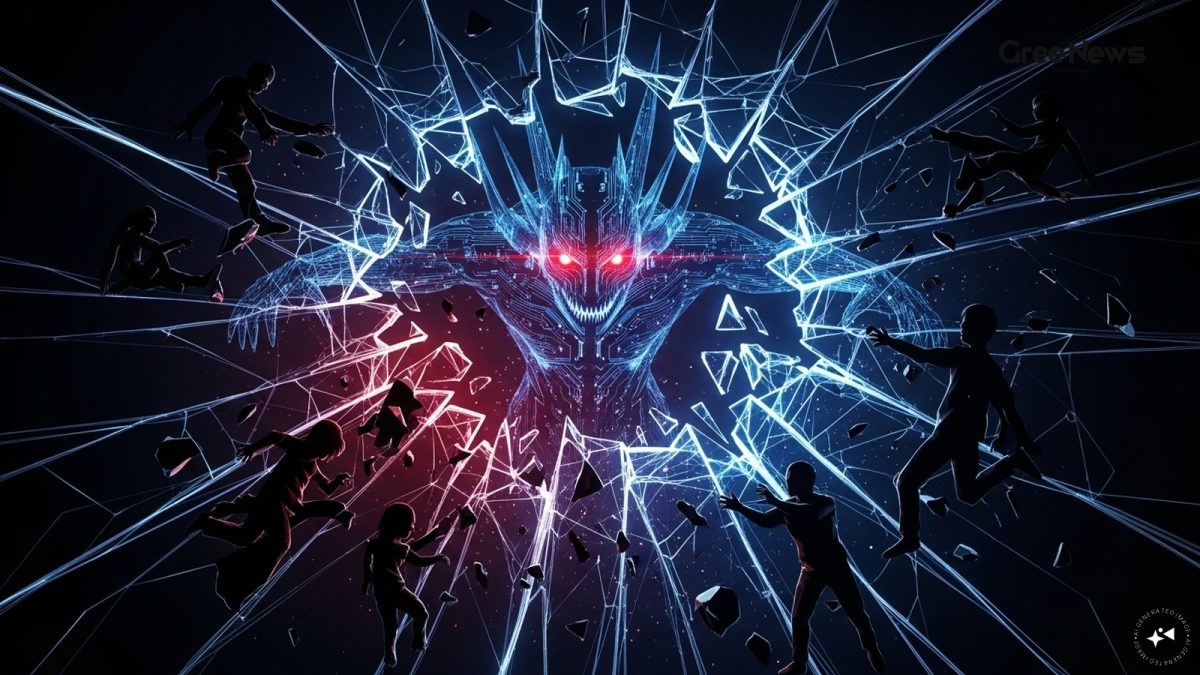
A quick look at why endless scrolling makes us feel foggy
If you’ve ever found yourself stuck in a loop of reels while waiting for your chai to brew, you’ve probably noticed that after a while your thoughts get a bit hazy. It’s not just imagination scientists are now calling it "social media brainrot", a term that used to sound like a meme but now has real research behind it. Basically, the short, repetitive clips that flood our feeds are designed to be super easy on the brain, which means they don’t give it much of a workout. In most cases, this easy consumption leaves our mental muscles feeling a little slack, especially when we’re also trying to keep up with the latest news India and those breaking news alerts that never seem to stop.
What’s surprising is that the fix isn’t as drastic as quitting Instagram or TikTok altogether. In fact, the researchers at the University of California, Santa Barbara found that just a few minutes of swapping a typical viral video for something a tad more challenging can wake the brain up. I tried it myself during a boring weekday commute swapped a 15‑second dance clip for a 30‑second abstract short film that made me think about what the ending meant. The difference was immediate; I felt more alert and even came up with a couple of new ideas for a work project on the spot.
What the University of California, Santa Barbara study actually did
The study, led by researchers at the University of California, Santa Barbara, split volunteers into two groups. One group kept watching the kind of short, repetitive videos that dominate most social media feeds the sort that you see when you’re scrolling for the latest trending news India or just looking for viral news to pass the time. The other group watched slightly longer, more abstract short films think of those artsy clips that make you pause and wonder what the creator was trying to say.
After just a few minutes, participants took a set of creativity and flexible‑thinking tests. The results were pretty clear: the group that watched the abstract clips performed noticeably better. Their scores on tests that measured how many different uses they could think of for a simple object a classic creativity test were higher, and they solved the flexible‑thinking puzzles faster. The improvement was almost instantaneous, which tells us that the brain can get a quick boost from a short mental challenge.
What’s a bit ironic is that the participants actually enjoyed the viral content more. It gave them that instant dopamine hit the same feeling you get when you see a funny meme go viral. But enjoyment doesn’t always translate to mental growth. That’s a key takeaway for anyone trying to balance fun scrolling with staying sharp, especially when you’re also trying to keep up with breaking news and the daily India updates that flood your feed.
Why a few minutes of “harder” content matters
Think of your brain like a chef in a busy kitchen. If you keep feeding the chef the same simple dish over and over say, plain rice the chef might get bored, but the kitchen runs smoothly. However, if you occasionally ask the chef to prepare a complex biryani with many spices, the chef has to think about the right balance, timing, and technique. That extra effort makes the chef sharper and more versatile. In the same way, short‑form viral videos are the plain rice: fast, predictable, and easy to digest. Abstract short films are the biryani they might be a little confusing at first, but they force your brain to interpret, make connections, and fill in gaps.
When the brain works to decode ambiguous or unfamiliar content, it creates new neural pathways. This engagement improves attention span and flexibility traits that are crucial when you need to switch quickly between tasks, like checking the latest news India and then drafting an email. The study’s findings suggest that you don’t need to spend hours reading a dense book; a few minutes of a thought‑provoking clip can do the trick.
In most cases, the algorithms behind social media keep feeding us more of what we already like the same style of memes, the same dance challenges. That means the brain rarely gets the chance to stretch. By consciously inserting a short burst of “harder” content, you’re basically breaking the algorithmic loop and giving your mind a mini‑workout.
Practical ways to add a mental diet to your scrolling habit
So, how can you actually do this without feeling like you’re giving up your favorite apps? Here are a few simple ideas that fit into a typical Indian daily routine:
- During your morning chai break, watch a 30‑second abstract short film instead of the usual funny cat reel.
- When you’re waiting for a bus or a rickshaw, swap the next viral video for a quick TED‑style talk that challenges a common belief.
- If you’re scrolling through the latest news India on your lunch break, pick one article that includes a puzzle or a thought experiment and spend a couple of minutes on it.
- Set a timer for five minutes after you finish a binge‑watch session of short clips, and then watch a short documentary excerpt that requires you to think about cause‑and‑effect.
Many people were surprised by how easy it was to fit these tiny changes into their day. In fact, a few friends of mine tried this for a week and reported feeling less mentally exhausted after work, even though they still enjoyed their usual dose of viral news. The key is not to eliminate the fun content but to balance it with something that makes you pause and reflect.
The broader impact: From personal boost to societal change
Imagine if a large chunk of the population started mixing in a bit of challenging content daily. The overall creative output could see a noticeable lift more innovative ideas in classrooms, startups, and even everyday problem‑solving. While it sounds like a lofty goal, the study from the University of California, Santa Barbara shows that even a few minutes can set off a chain reaction in the brain.
In the context of India, where the younger generation is constantly bombarded with trending news India, viral news, and rapid updates, having this tiny mental reset could help counter the shrinking attention spans that educators often worry about. It might also help people engage more critically with the news, distinguishing between genuine breaking news and sensationalised headlines.
So the next time you get a notification that something is trending, think about whether you want to just scroll past it or spend a moment exploring a piece of content that asks a question rather than giving you an instant answer. Your brain will thank you, and you might just become the person who brings a fresh perspective to the next family dinner conversation about the latest India updates.