Modi’s friendly chat with Trump and what it means for us
Honestly, when I saw Prime Minister Narendra Modi’s post about receiving a call from his old friend President Donald Trump, I felt a little flutter of excitement. It’s not every day that our Prime Minister talks about a phone call with a former US President as if it were a catch‑up over chai. In the post, Modi wrote, “Received a call from my friend President Donald Trump. We reviewed the substantial progress achieved in our bilateral cooperation in various sectors. We are committed to further strengthening our Comprehensive Global Strategic Partnership in all areas. We also discussed the situation in West Asia and stressed the importance of keeping the Strait of Hormuz open and secure.”
What caught my attention was the blend of personal warmth and strategic seriousness. It reminded me of the many times I hear my neighbours on the rooftop discuss how the weather in New Delhi has finally cooled down, only to segue into a debate about the latest government policy. In the same vein, Modi’s message mixed a friendly tone "my friend" with a very clear signal that the India‑US partnership is moving ahead on multiple fronts.
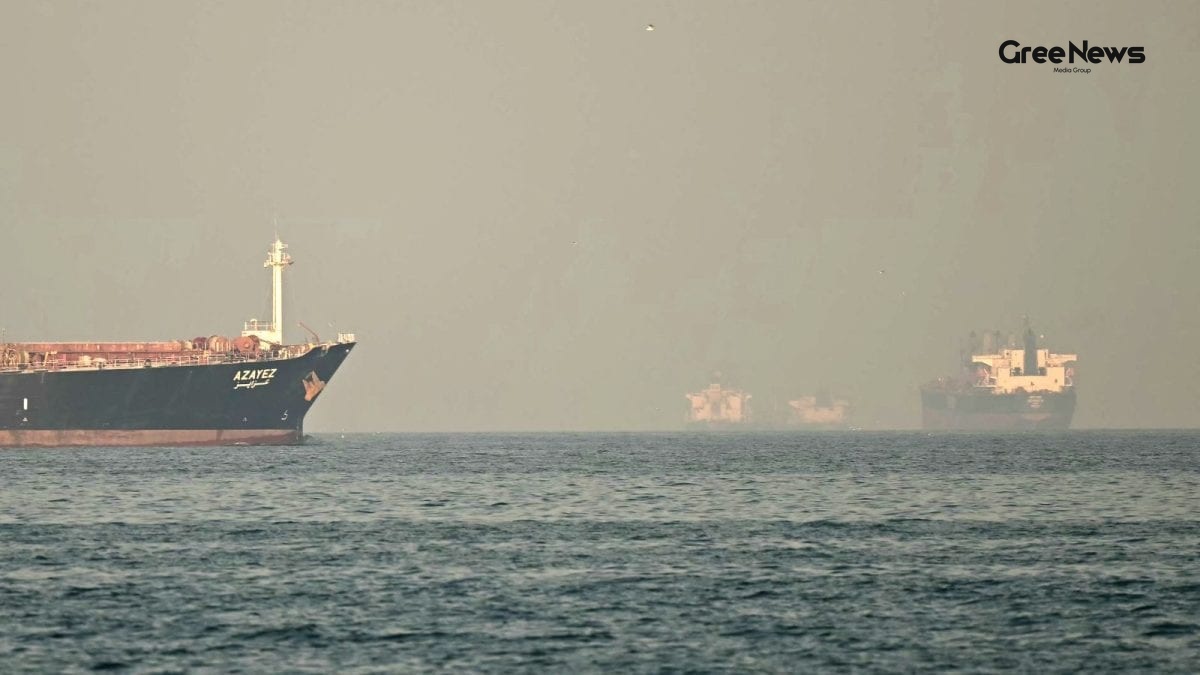
For the everyday Indian, the talk about the Strait of Hormuz might feel distant, but it actually ties back to the oil that fuels our scooters, trucks, and the power plants that keep the lights on. If that narrow waterway stays open, oil prices stay relatively stable, and every household feels that little relief at the pump.
Why Sergio Gor’s "stay tuned" comment lit up social media
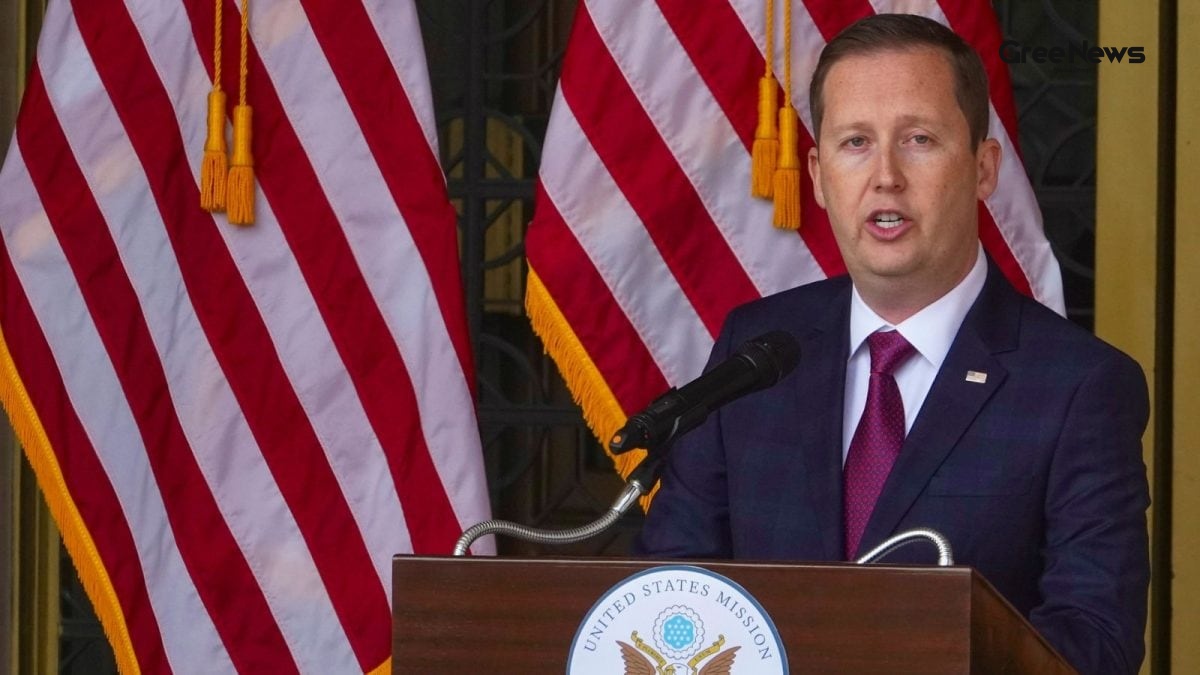
Now, here’s where things get interesting. A few weeks after Modi shared his call with Trump, US envoy Sergio Gor posted a very brief message: "stay tuned." No emojis, no hashtags just those three words. It was like a teaser trailer before a big Bollywood release. People on Twitter, Instagram and even the neighbourhood WhatsApp groups started speculating.
What made this even more intriguing was that Gor had used the same phrase earlier this year, right before India and the United States announced progress on a bilateral trade aGreement. Back then, the phrase was dismissed by some as just a generic post, but when the news of the trade aGreement surfaced, the comment turned into a clue. The timing felt uncanny, almost like an inside joke between diplomats.
For me, it was a reminder of those moments when I’m waiting for a cricket match to start you feel the anticipation, you keep checking the scoreboard, you can’t help but wonder what will happen next. That’s exactly the mood that swept across Indian social media after Gor’s latest “stay tuned.”
The India‑US Bilateral Trade AGreement where do we stand?
The trade aGreement that Gor’s hint seemed to point to is officially called the India‑US Bilateral Trade AGreement (BTA). It’s been in the works for a while now, and the recent updates suggest it’s now in its final stages. The aGreement aims to boost trade by removing a lot of the red‑tape that has slowed down business between the two nations. Imagine the bustling markets of Delhi and the tech hubs of Silicon Valley finding even smoother pathways to exchange goods and services.
However, the journey hasn’t been entirely smooth. After a US Supreme Court ruling that struck down certain reciprocal tariffs, the signing was delayed. That decision was about legal technicalities concerning tariffs that both countries had aGreed to earlier, and it caused a brief pause in the negotiations. It felt a bit like when a traffic signal turns red just as you’re about to cross a busy intersection you have to wait, but the road is still there.
Even with that hurdle, both sides have shown a clear commitment to push the aGreement forward. The fact that Gor is signaling that we should “stay tuned” suggests that there might be another round of announcements or perhaps a final signing ceremony soon. For Indian exporters, a cleared‑up trade regime could mean better access to US markets for products ranging from textiles to pharmaceuticals. For the average consumer, it could translate to more affordable gadgets and perhaps even better prices on imported foods.
Strategic partnership beyond trade defence and geopolitics
Trade is just one piece of the puzzle. The conversation that Modi mentioned with Trump also touched upon defence cooperation and the situation in West Asia. Both India and the United States have been deepening their defence ties through joint exercises, shared technology, and even naval patrols in the Indian Ocean. I remember reading about Indian warships docking at ports in the US while US aircraft carriers made port calls in Mumbai those moments felt like symbols of trust.
The focus on the Strait of Hormuz is particularly crucial because it’s a chokepoint that sees a large percentage of the world’s oil flow. Any disruption there could spike global oil prices, which would directly affect everything from the cost of a litre of petrol to the price of a packet of biscuits. By emphasising the need to keep it open and secure, both leaders were essentially saying, "We’re watching the big picture, and we want stability for our economies."
From a personal perspective, this reminded me of the times my family plans trips during the monsoon. We check the weather forecast, we keep an eye on road conditions, and we adjust our plans accordingly. The same logic applies to nations monitoring crucial sea lanes they need to be ready to respond if anything threatens the flow.
Public reaction and the buzz on the ground
Back in my town, the tea shop owner displayed a printed copy of Modi’s tweet on his wall, and customers started chatting about it. Some were excited about the prospect of stronger ties with the US, while others wondered whether the focus on West Asia would distract from domestic issues like farmer distress or unemployment. This mixture of optimism and caution is typical of Indian public discourse we love a good success story but we always look for the practical implications.
When Gor’s “stay tuned” went viral, memes started popping up. One meme showed a cartoon of a detective with a magnifying glass, captioned “Sergio Gor investigating the next big India‑US breakthrough.” Another featured a Bollywood style poster with the tagline “The partnership that keeps on giving coming soon!” It’s funny how quickly we Indians turn serious diplomatic moves into pop‑culture humor.
These reactions are not just idle chatter; they help shape the narrative around foreign policy. When people talk about it in everyday conversations whether at a bus stop or over a family dinner the issues become part of the collective awareness, and that ultimately pressures our leaders to be transparent and proactive.
What could happen next? My guess
If I were to bet on what “stay tuned” really signals, I’d say we might see a formal announcement of the final version of the BTA within the next few weeks. Perhaps there will be a joint press conference, maybe even a ceremony in New Delhi with both Indian and US officials present. It could also include a few new clauses that address the tariff issue that caused the earlier delay maybe a mutual aGreement to review certain duties over time.
On the geopolitical front, there may be renewed discussions on how both countries can coordinate maritime security in the Indian Ocean and the Arabian Sea. I wouldn’t be surprised if we hear about new naval exercises or technology sharing initiatives.
For everyday Indians, the real impact will be felt in the form of more jobs in export‑oriented sectors, better tech collaborations with US firms, and possibly a stronger voice for India in global fora. The subtle diplomatic signals like Gor’s post are the first dominoes that set the larger chain of events into motion.
Final thoughts why these diplomatic nudges matter
At the end of the day, the story of a short “stay tuned” post and a friendly phone call may sound like footnotes in the grand scheme of international relations, but they are the human side of geopolitics. They show that behind the official statements there are individuals like Sergio Gor, who knows how to spark curiosity, and leaders like Modi and Trump, who can blend friendship with strategy.
For us regular folks, staying informed about these developments is not just about being a news‑junkie; it’s about understanding how global decisions shape the cost of a cup of chai, the availability of a new smartphone, or the safety of the oil that keeps our country moving. So, as we wait for the next official word, let’s keep an eye on the hashtags, the memes, and the subtle cues because sometimes, the biggest changes start with a simple three‑word tweet.