Ten Palestinians Killed in Israeli Airstrikes and Clashes Between Hamas and an Israel‑Backed Militia Near Maghazi Camp
Local sources report a deadly encounter in central Gaza that involved Israeli air power, Hamas security personnel, and an Israel‑backed Palestinian militia. The incident, which unfolded east of Maghazi refugee camp, resulted in at least ten fatalities and a large number of injuries.
Overview of the Fatal Incident
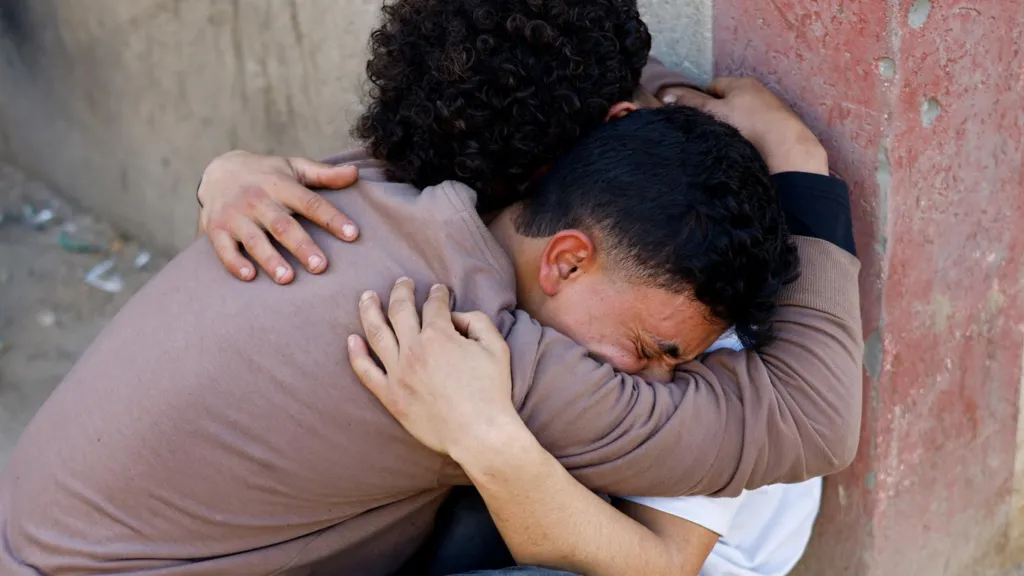
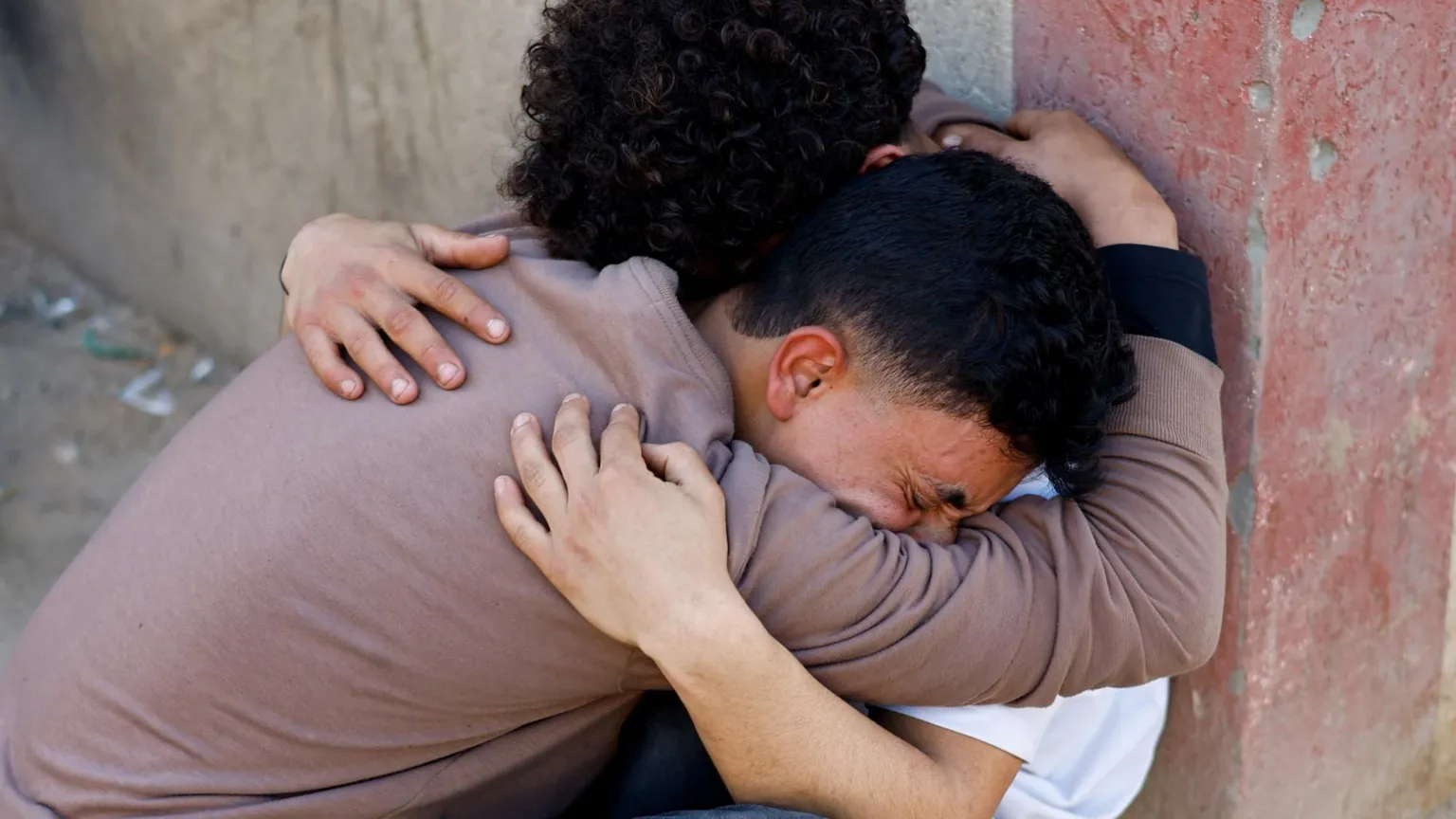
According to witnesses and medical officials, at least ten Palestinians lost their lives when Israeli aircraft conducted strikes targeting Hamas security personnel. The strikes were launched after a confrontation erupted between Hamas security personnel and members of the Israel‑backed Palestinian militia that had established a checkpoint east of Maghazi refugee camp.
The exact number of victims who died directly as a result of the air strikes versus those who succumbed to combat injuries on the ground remains unclear. Al‑Aqsa Hospital in Deir al‑Balah confirmed that the bodies of ten individuals were transferred to its facilities for identification and burial procedures.
Medical Response and Casualty Figures
The spokesperson for al‑Aqsa Hospital in Deir al‑Balah disclosed that, in addition to the ten confirmed fatalities, dozens of other people sustained injuries of varying severity. Some of those injured were reported to be in critical condition, requiring intensive care and advanced medical interventions.
Because of the chaos that followed the air strikes, medical teams faced challenges in delivering prompt treatment to all wounded individuals. Al‑Aqsa Hospital emphasized that its staff continued to work around the clock to stabilize patients and document the full extent of casualties.
Witness Accounts of the Checkpoint Clash
Local eyewitnesses recounted that members of the Israel‑backed Palestinian militia erected a temporary checkpoint east of Maghazi refugee camp on Monday morning. The checkpoint was intended to control movement in the area, but it quickly became the focal point of a violent encounter.
According to the witnesses, Hamas security personnel approached the checkpoint and opened fire on militia members. The exchange escalated into a broader clash that saw both sides exchanging small arms fire and attempting to outflank each other within the densely populated urban environment.
Witnesses also noted that the fighting drew the attention of Israeli unmanned aerial vehicles, which began to hover over the scene shortly after the initial gunfire erupted.
Israeli Drone Intervention and Air Strikes
Observations from the ground indicated that Israeli drones entered the airspace above the clash zone, providing real‑time intelligence and targeting assistance to the Israel‑backed Palestinian militia. The drones reported the locations of Hamas security personnel and relayed coordinates to Israeli pilots.
Subsequently, Israeli aircraft executed precision strikes on three separate sites identified as containing Hamas security personnel. The strikes targeted both individuals on the ground and command positions that, according to Israeli sources, were orchestrating the attacks against the militia checkpoint.
The coordinated use of drones and bomber aircraft demonstrated an integrated approach that combined aerial surveillance with kinetic action, a tactic that has become increasingly common in the Gaza conflict.
Ceasefire Violations and Ongoing Tensions
Both Israel and Hamas have repeatedly accused each other of breaching the ceasefire that was negotiated nearly six months ago. Each side claims that the other party has engaged in activities that undermine the fragile truce, including artillery fire, rocket launches, and targeted assassinations.
The Hamas‑run health ministry in the Gaza Strip reports that at least 723 Palestinians have been killed in Israeli air and ground operations since the ceasefire began. In parallel, the Israeli Defence Forces have reported five Israeli soldiers killed by Palestinian militant attacks over the same period.
The ongoing pattern of accusations and retaliatory actions has made it difficult for third‑party mediators to maintain momentum toward a sustainable peace arrangement.
Political Background: The Trump Peace Plan and Disarmament Talks
The issue of disarmament remains a central sticking point in the implementation of the second phase of former U.S. President Donald Trump’s 20‑point peace plan. The plan calls for Palestinian armed groups to relinquish their weapons in exchange for a series of political and economic concessions.
Last week, a Hamas delegation travelled to Cairo to meet with Egyptian, Qatari, and Turkish mediators. The purpose of the meeting was to convey Hamas’s initial response to a proposal from the U.S.-led Board of Peace that called for Palestinian groups to decommission their arms.
On Sunday, a spokesperson for Hamas’s military wing, identified as Abu Ubaida, publicly rejected any discussion of disarmament until Israel fulfills the commitments outlined in the first phase of the Trump plan. Abu Ubaida’s statements emphasized that disarmament could not be used as a bargaining chip before Israel meets its obligations.
Statement from Hamas Military Wing Representative Abu Ubaida
Abu Ubaida, whose namesake was killed in an Israeli strike last year, delivered a forceful rebuke to the notion of weapon surrender. In his remarks, Abu Ubaida declared, “We will not accept raising the issue of weapons in this crude manner.”
Abu Ubaida further asserted that the material destruction inflicted by Israeli tanks and bombardments could not be replicated through diplomatic negotiations. He stated, “What the enemy failed to take from us by tanks and destruction, it will not take from us through politics or at the negotiating table.”
The statement linked the current Gaza struggle to the broader regional confrontation involving Israel, the United States, Iran, and Iran’s allied militias. Abu Ubaida praised the missile, drone, and rocket attacks launched by Iranian forces, Hezbollah in Lebanon, and the Houthis in Yemen, characterising them as an “extension” of the actions that began on 7 October 2023.
Israeli Leadership’s Position on Disarmament
Prime Minister Benjamin Netanyahu of Israel has repeatedly warned that Hamas will be forced to surrender its arms, stating that the disarmament could occur “either the easy way or the hard way.” Netanyahu’s remarks reflect a longstanding policy that any continuation of armed resistance by Hamas will be met with decisive military action.
Benjamin Netanyahu’s rhetoric underscores the Israeli government’s determination to eliminate what it perceives as a security threat, while simultaneously maintaining pressure on Hamas to comply with the disarmament clause embedded in the U.S. peace framework.
Broader Regional Dynamics and Recent Developments
The Gaza conflict, which erupted after a large‑scale Hamas‑led attack on southern Israel on 7 October 2023, has evolved into a multi‑theater confrontation. The original attack resulted in approximately 1,200 Israeli deaths and the taking of 251 hostages.
Since the start of the Israeli military campaign in Gaza, the health ministry of the Gaza Strip reports that more than 72,300 Palestinians have lost their lives. The high casualty figures have intensified international calls for a ceasefire, yet negotiations remain stalled.In addition to the direct Israel‑Hamas hostilities, the conflict has drawn in regional actors. Iran‑aligned militias in Lebanon and Yemen have conducted rocket and drone attacks against Israeli targets, actions that Hamas representatives describe as solidarity efforts.
Summary of Current Situation
The latest episode of fighting east of Maghazi refugee camp illustrates the volatile mix of local militia activity, Israeli aerial power, and the ever‑present threat of broader escalation. Ten confirmed deaths, dozens of injuries, and a complex web of accusations over ceasefire violations underline the fragility of the situation.
As parties on the ground continue to clash, diplomatic efforts centered on disarmament, humanitarian access, and a durable ceasefire face formidable obstacles. The interplay between on‑the‑ground combat and high‑level political statements suggests that the path toward peace remains uncertain.
Stakeholders, including the Israeli Defence Forces, Hamas’s political and military wings, the Israel‑backed Palestinian militia, and regional mediators, will need to navigate a landscape where every new incident carries the risk of widening the conflict further.