Trump Attributes Iran Ceasefire Success to China, Highlights US “Total Victory”
Introduction
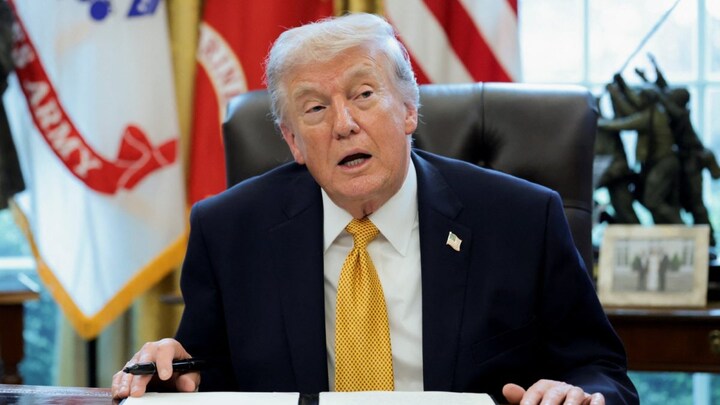
Trump disclosed that China may have played a decisive role in persuading Iran to sit down at the negotiating table for a ceasefire, suggesting that Beijing’s diplomatic outreach contributed to the de‑escalation of the conflict. The statement came during a telephone conversation with a European news agency, where Trump affirmed affirmative knowledge about Chinese involvement.
Three Iranian officials, speaking to a major American newspaper, confirmed that a last‑minute diplomatic effort by China helped Iran accept a two‑week ceasefire proposal originally advanced by Pakistan. The Iranian officials emphasized that while Pakistan initiated the proposal, China’s influence proved essential for Tehran’s acceptance.
US Claims “Total Victory”
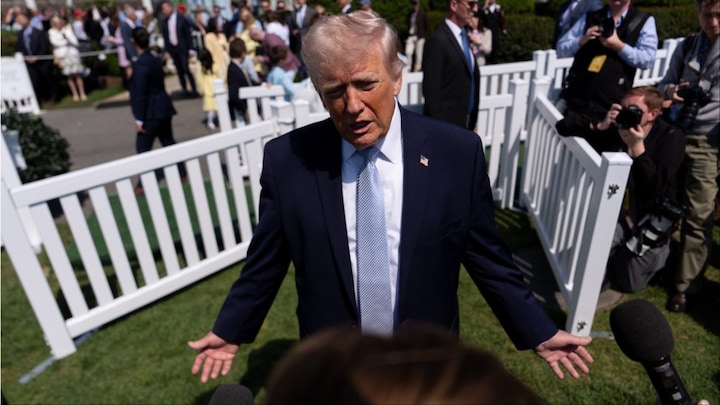
Trump characterized the ceasefire aGreement as a definitive triumph for Washington after a period of heightened tensions. In a brief exchange with the European news agency, Trump declared the outcome a “total and complete victory. 100 percent. No question about it.” The language underscored Trump’s view that the diplomatic breakthrough represented the culmination of United States policy objectives.
Details of the Two‑Week Ceasefire
The United States and Iran arrived at a mutual understanding that envisions a two‑week cessation of hostilities. The aGreement was sealed shortly before a previously announced threshold for large‑scale military action would have taken effect. Under the terms, Iran committed to reopening the Strait of Hormuz, the narrow maritime corridor that serves as a vital conduit for global oil shipments. The United States confirmed that Israel also consented to the ceasefire, indicating a broader regional alignment around the pause in fighting.
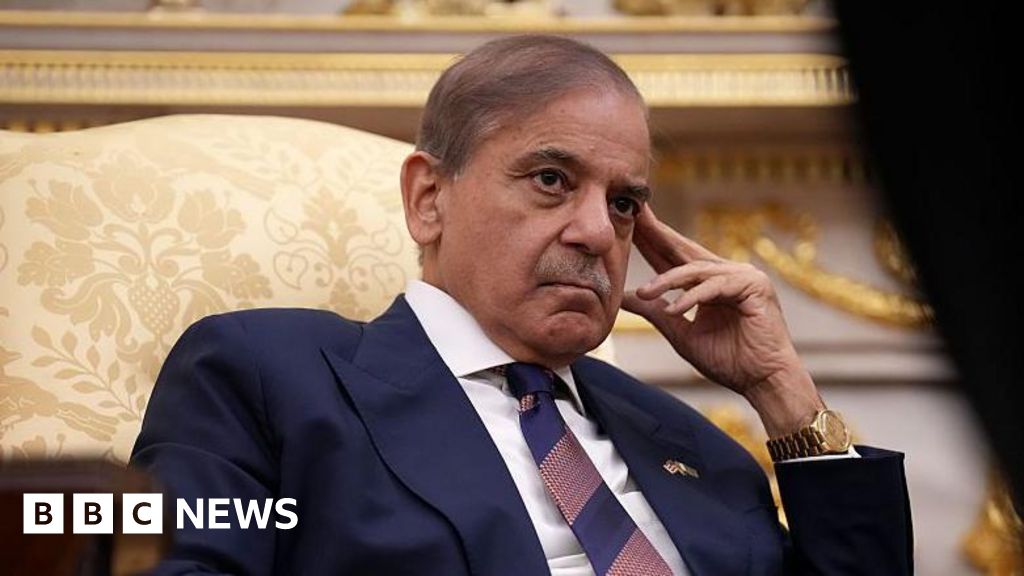
Pakistan’s leadership played a pivotal role in prompting both sides to consider a pause. Prime Minister Sharif issued repeated calls for the cessation of hostilities and urged the parties to pursue dialogue. The diplomatic push from Islamabad created the environment in which the United States and Iran could explore a temporary halt to combat operations.
China’s Involvement According to Trump
When asked directly whether China participated in influencing Iran’s decision, Trump responded with a concise affirmation, stating, “I hear yes.” The remark suggested that Trump possessed direct or indirect information confirming Chinese diplomatic engagement. The acknowledgment of Chinese participation adds a layer of complexity to the negotiation dynamics, indicating that multiple regional powers contributed to the outcome.
Iranian officials who spoke to the American newspaper corroborated Trump’s claim, noting that Chinese intermediaries approached Tehran in the final hours before the ceasefire was formalized. The officials stressed that China’s outreach complemented Pakistan’s proposal, providing Tehran with additional assurance that a negotiated settlement was attainable.
Pakistan’s Role as Host for Upcoming Talks
Following the ceasefire announcement, Iran indicated its readiness to commence formal negotiations with the United States in Islamabad. The choice of Islamabad as the venue reflects Pakistan’s willingness to serve as the intermediary platform for the next phase of diplomacy. Prime Minister Sharif confirmed that Pakistani authorities would accommodate delegations from both Iran and the United States, with the objective of producing a “conclusive aGreement.” The planned talks aim to translate the temporary cessation of fighting into a durable political settlement.
The selection of Islamabad underscores Pakistan’s strategic interest in stabilizing the region and preventing further escalation. By offering its capital as the meeting place, Pakistan positions itself as a central broker capable of facilitating dialogue between the two adversarial nations.
Iran’s Ten‑Point Plan for a Long‑Term Deal
In the wake of the ceasefire, Iran released a comprehensive ten‑point framework that outlines the conditions necessary for a lasting resolution. The plan includes several core demands aimed at addressing Iran’s long‑standing grievances and securing its strategic interests.
- Recognition by the United States of Iran’s uranium enrichment programme.
- Complete removal of all sanctions imposed on Iran by the United States and its allies.
- Transfer of operational control over the Strait of Hormuz to Iran.
- Withdrawal of United States forces from the broader Middle East region.
- Termination of all attacks directed at Iran and its regional partners.
- Release of frozen Iranian assets held abroad.
- Adoption of a binding United Nations Security Council resolution that guarantees Iran’s security concerns.
The remaining points of the plan address broader geopolitical considerations, including mechanisms for monitoring compliance and establishing channels for future diplomatic engagement. The ten‑point outline reflects Iran’s desire to secure both immediate relief from economic pressure and long‑term guarantees regarding its sovereign rights.
Implications of the Diplomatic Breakthrough
The convergence of diplomatic initiatives from China, Pakistan, and the United States creates a multifaceted environment in which the conflict could move toward a stable resolution. Trump’s public acknowledgment of Chinese involvement highlights the potential for a broader coalition of powers to influence the outcome. At the same time, Pakistan’s willingness to host negotiations signals a regional commitment to preventing further hostilities.
Iran’s ten‑point plan provides a concrete blueprint for addressing the principal sources of tension. By laying out explicit demands, Iran offers a clear set of expectations for any future aGreement. The plan’s emphasis on sanctions relief, recognition of nuclear capabilities, and control over a strategic maritime chokepoint underscores the depth of Iran’s strategic calculations.
Should the United States accept the conditions outlined in the ten‑point plan, the potential exists for a comprehensive settlement that not only ends the immediate fighting but also reshapes the security architecture of the Middle East. Conversely, any failure to meet Iran’s core demands could rekindle hostilities and undermine the fragile ceasefire.
Conclusion
Trump’s statement that China assisted in bringing Iran to the negotiation table illuminates the complex diplomatic choreography behind the ceasefire. The United States’ portrayal of the aGreement as a “total victory” reflects a narrative of decisive achievement after a period of heightened tension. Pakistan’s role as the host for forthcoming talks adds another layer of regional engagement, while Iran’s ten‑point plan outlines the substantive elements required for lasting peace.
The interplay of these elements suggests that the coming weeks will be critical in determining whether the temporary pause in fighting can evolve into a durable political settlement. The outcome will depend on the willingness of all parties—Trump and the United States, Iran, China, and Pakistan—to adhere to the framework outlined in the ten‑point plan and to sustain diplomatic momentum beyond the immediate ceasefire period.