Trump’s Deadline Looms While Iran Shows No Signs of Conceding
President Donald Trump has spent the past five weeks shaping a joint United States‑Israeli campaign against Iran with a series of deadlines, demands, and stern warnings. Although the campaign has been marked by a steady drumbeat of threats, the language used by President Donald Trump in recent days has been unusually explicit, leaving the international community to wonder how far the United States government is prepared to push the limits of its own rhetoric.
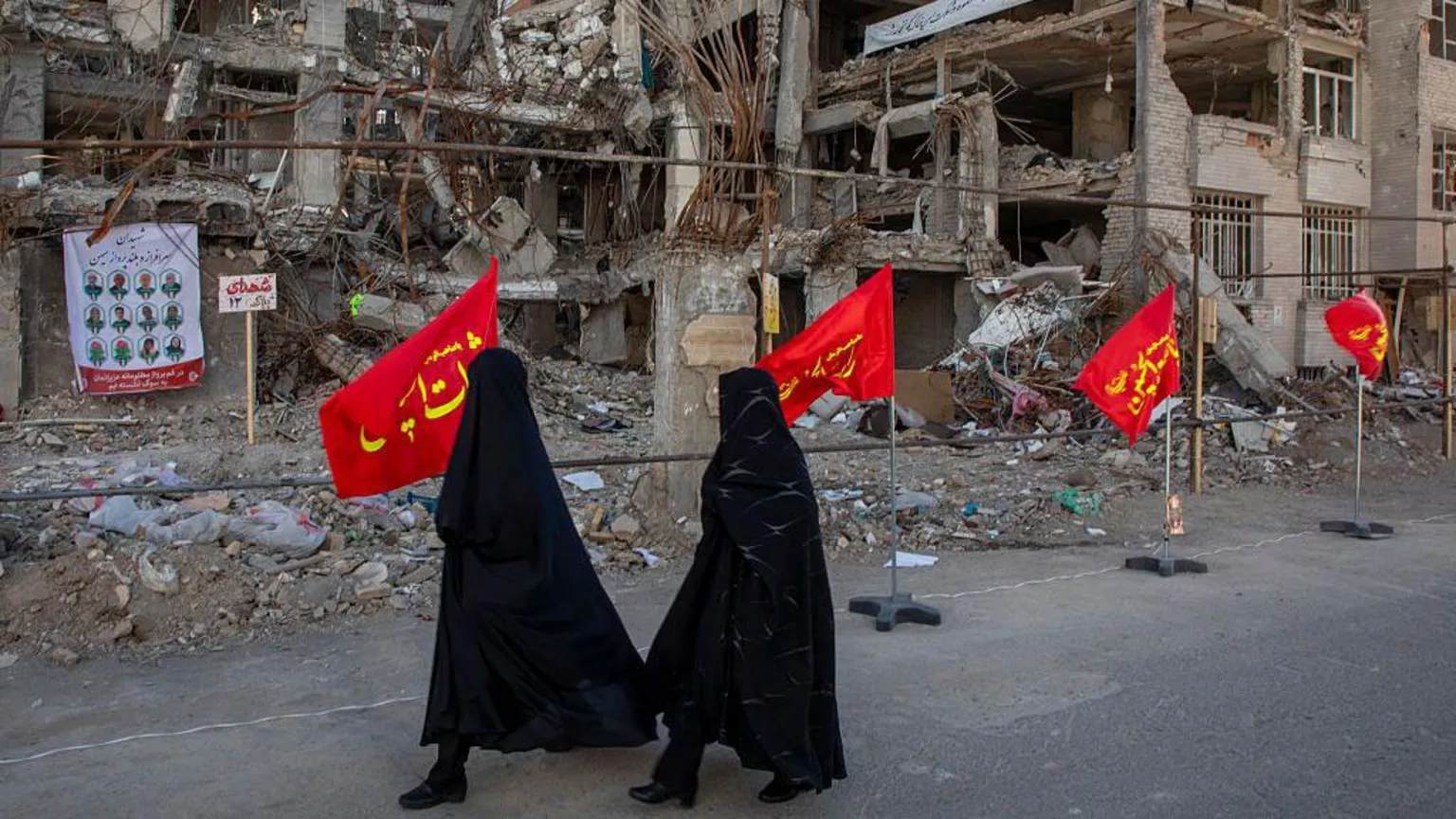
According to statements released by the White House, a new wave of strikes targeting Iran is slated to begin at 20:00 Washington, D.C. time (01:00 GMT). The official narrative claims that within a window of four hours, every bridge and power‑generation facility inside Iran will be “decimated.” The language used by President Donald Trump in outlining the prospective operation emphasizes that “very little is off‑limits,” a phrase that underscores the breadth of potential targets.
The Conditional Path to De‑Escalation
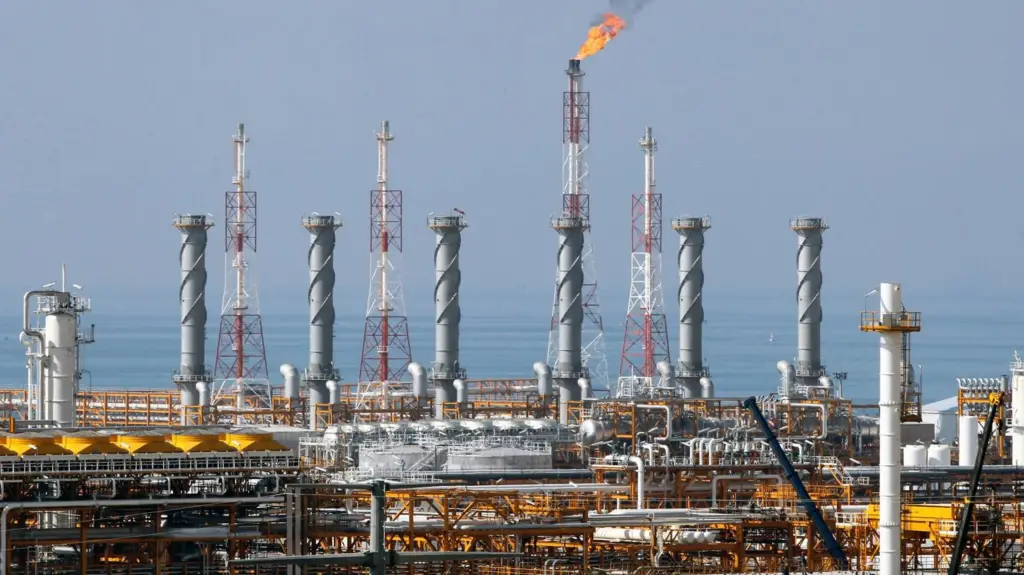
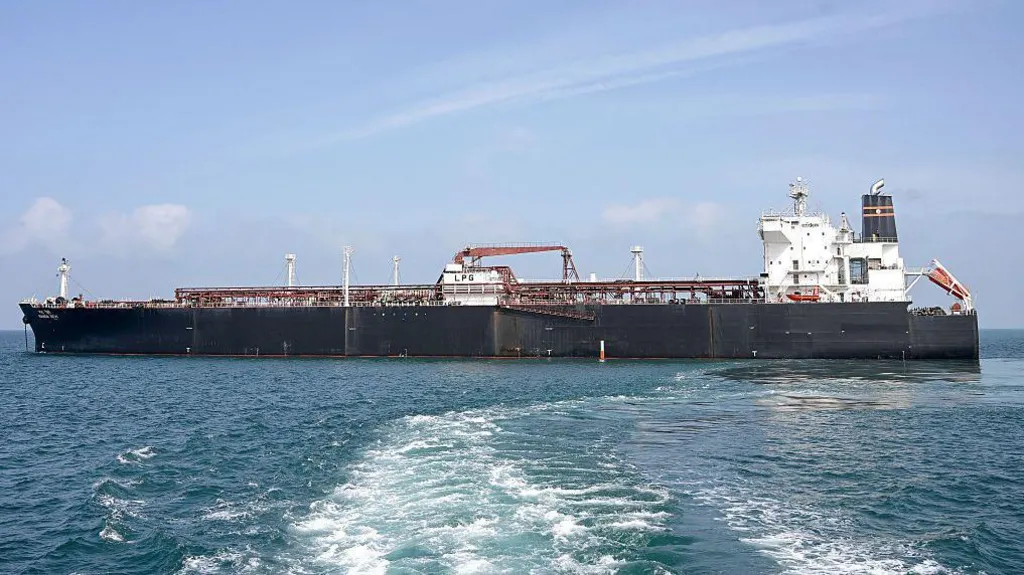
President Donald Trump has repeatedly asserted that for Iran to avoid the imminent onslaught, Tehran must present a deal that meets the criteria set forth by the United States administration. A cornerstone of the proposed settlement, as articulated by President Donald Trump, involves the establishment of “free traffic of oil” through the Strait of Hormuz, a strategic waterway through which a considerable fraction of the world’s petroleum supply flows.
In the final hours before the deadline, public indications that Iran is moving toward acceptance of President Donald Trump’s demands have been scant. Iran has dismissed a provisional cease‑fire proposal and has, in turn, presented a list of conditions described by a United States official as “maximalist.” The term “maximalist” in this context implies that Iran’s demands exceed what the United States considers reasonable or achievable within the current framework.
The divergence between the United States’ expectations and Iran’s stated requirements creates a precarious diplomatic environment. President Donald Trump now faces a decision point that could shape the geopolitical landscape for months, if not years, to come.
A Delicate Political Tightrope
The absence of progress on a mutually acceptable agreement places President Donald Trump in a vulnerable position. Should negotiations fail to produce a viable resolution, President Donald Trump retains the option to push the deadline back for a fourth occasion within a three‑week span. While extending the deadline might provide additional breathing room for diplomatic overtures, it also carries the risk of eroding President Donald Trump’s credibility, especially after a series of high‑profile threats underscored by colorful language and stark warnings.
Critics argue that a retreat from the hardline stance articulated by President Donald Trump could undermine the administration’s bargaining power, particularly at a time when the United States is actively engaged in a high‑stakes conflict that has already claimed significant attention on the world stage.
Conversely, supporters of President Donald Trump contend that the ability to recalibrate the timeline demonstrates strategic flexibility, allowing the United States to respond to evolving circumstances without relinquishing its core objectives.
Perceived Strength Versus Actual Leverage
One possible interpretation of Iran’s apparent reluctance to acquiesce is that the international community, including the United States, may be underestimating the strategic assets at Tehran’s disposal. Despite the United States’ display of military capability—most notably the complex rescue operation that freed two downed airmen deep inside Iranian airspace— Iran’s capacity to influence the flow of global oil through the Strait of Hormuz may represent a more formidable deterrent than President Donald Trump has publicly acknowledged.
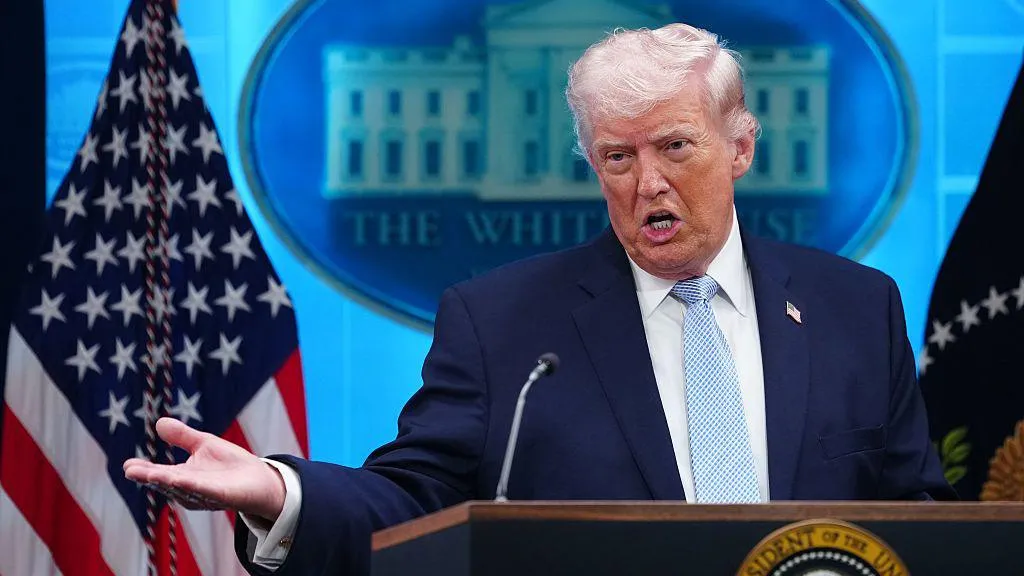
During a press briefing on Monday afternoon, President Donald Trump asserted, “We won. They are militarily defeated. The only thing they have is the psychology of: ‘Oh, we’re going to drop a couple of mines in the water.’” The reference to “psychology” appears to hint at Iran’s potential to employ asymmetric tactics such as the deployment of mines, drones, and missiles to threaten maritime traffic, thereby exerting pressure that extends beyond conventional battlefield victories.
The notion that Iran could leverage maritime disruption to achieve strategic aims underscores the complexity of the situation. While the United States can project power through air strikes and precision bombing, the control of essential sea lanes presents an alternative avenue for Iran to shape outcomes without engaging in direct, large‑scale combat.
Recent Military Highlights Cited by President Donald Trump
President Donald Trump has frequently highlighted a series of recent United States operations to illustrate the nation’s military proficiency. Among the achievements cited are the “Midnight Hammer” bombing campaign carried out against Iran’s nuclear facilities last year, the capture of Venezuelan President Nicolás Maduro in January, and the daring rescue mission executed over the weekend that involved the coordination of hundreds of aircraft and elite special‑operations personnel.
In describing the rescue mission, President Donald Trump emphasized the intricate choreography of misdirection, technological wizardry, and real‑time decision‑making that prevented what Defense Secretary Pete Hegseth referred to as a “potential tragedy.” While the operation succeeded in extracting the airmen without loss of life, Defense Secretary Pete Hegseth’s remarks serve as a reminder that even the most meticulously planned missions can encounter unforeseen complications.
The successful extraction, while a testament to United States capabilities, also highlighted the persisting risks that United States forces confront when operating in proximity to Iranian airspace and territory. The experience may be prompting a reassessment within the administration regarding the limits of kinetic action and the value of diplomatic channels.
Balancing Threats and Restraint
President Donald Trump has repeatedly articulated a willingness to unleash overwhelming force against Iran, describing the potential to “bomb the hell out of them” and “knock them for a loop.” However, he has also conceded that achieving a complete blockade of the Strait of Hormuz could be accomplished with a single “terrorist” act, underscoring the paradox that a relatively modest event might produce strategic effects far exceeding those of a full‑scale bombing campaign.
Despite the rhetorical emphasis on massive firepower, President Donald Trump has signaled a reluctance to pursue the most destructive course of action. On multiple occasions on Monday, President Donald Trump stated that the option to execute the most severe strikes was one he “does not want to pursue.” This ambivalence reflects a broader tension within the administration: the desire to maintain a credible threat while simultaneously avoiding the humanitarian and geopolitical fallout that could accompany extensive infrastructure destruction.
President Donald Trump has also addressed the long‑term ramifications of potential destruction. He acknowledged that any infrastructure destroyed in the present conflict would eventually require reconstruction, noting that “if we leave today, it will take them 20 years to rebuild their country.” He further posited that a full implementation of the bombing threats could extend the reconstruction timeline to a century, implying a calculated assessment of the balance between immediate military gains and prolonged societal costs.
Humanitarian Considerations and Regional Impact
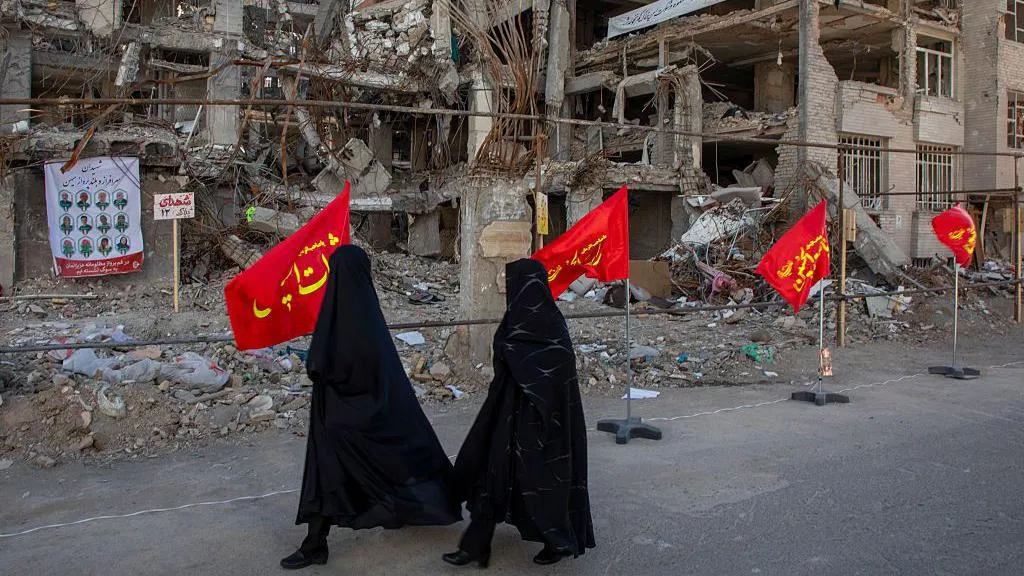
The prospect of widescale devastation carries with it a host of humanitarian concerns. While President Donald Trump has not characterized the outcome as a regression to the “Stone Age,” the anticipated humanitarian crisis—exacerbated by the “crushing” retaliation promised by Iran—could trigger severe regional instability, widespread displacement, and significant loss of civilian life.
Even within the final moments before the deadline, President Donald Trump has expressed a lingering optimism that a breakthrough might still be achievable. “We have an active, willing participant on the other side,” President Donald Trump said, emphasizing the existence of a counterpart within Iranian leadership willing to engage in dialogue. President Donald Trump added, “They would like to be able to make a deal. I can’t say any more than that.”
The juxtaposition of an aggressive public posture with a simultaneous claim of openness to negotiation creates a layer of opacity surrounding the United States’ strategic intentions. President Donald Trump has repeatedly insisted that “every single thing has been thought out by all of us,” yet has refrained from disclosing specific details of the contingency plan, leading to speculation about the true state of behind‑the‑scenes negotiations.
Speculation on Negotiation Dynamics
The lack of concrete information about ongoing diplomatic efforts leaves room for multiple interpretations. One perspective suggests that negotiations may be advancing more rapidly than publicly acknowledged, with both President Donald Trump and Iranian officials working toward a mutually acceptable framework. An alternative view posits that the apparent silence reflects a strategic bluff, designed to maintain pressure on Iran while preserving bargaining leverage.
President Donald Trump concluded Monday’s press conference with a definitive statement regarding the deadline: “They have till tomorrow. We’ll see what happens. I believe they’re negotiating in good faith. I guess we’ll find out.” The phrase “good faith” underscores President Donald Trump’s belief that Iran is engaged earnestly in the process, even as the broader international community remains uncertain about the depth and sincerity of those negotiations.
Whether President Donald Trump’s confidence is rooted in tangible progress or serves as a diplomatic posture aimed at preserving strategic options will likely become clearer in the days that follow the deadline. The outcome will have profound implications for the stability of the Strait of Hormuz, the broader Middle East region, and the international oil market.