Dacoit: A Love Story – First Impressions
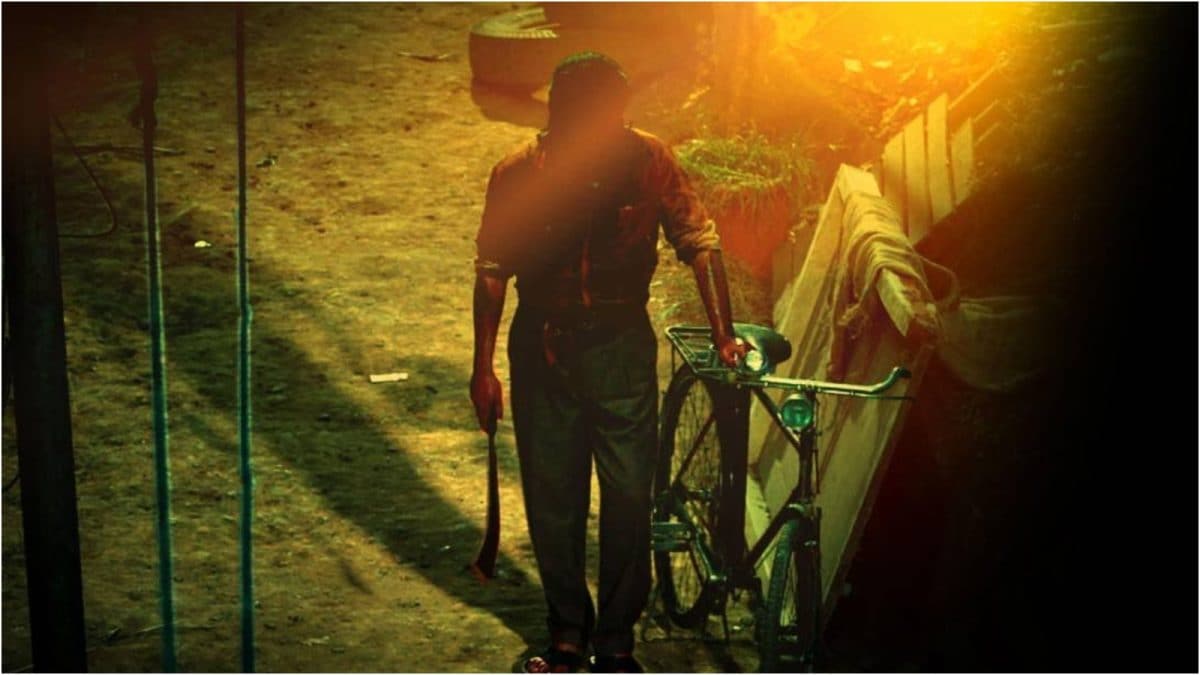
When I first heard about Dacoit: A Love Story, I imagined a classic Romeo‑Juliet set in the dusty lanes of a small Indian town. The trailer promised a gritty love saga, and I was genuinely excited because, honestly, we don’t see many films that try to blend romance with raw, rustic violence. The moment the movie started, I could feel the tension building. The opening scenes were shot in a way that made the air feel heavy, almost as if the wind itself was whispering secrets. I found myself leaning forward on the seat, expecting a powerful mix of love and revenge, and for the first half hour, the film did not disappoint.
But as the story moved forward, I started noticing that something was slipping. The plot began to take odd turns, and the motives of the characters became harder to follow. It felt like the screenplay was trying to be clever, but ended up being confusing. By the time the film reached its climax, I was left piecing together bits of the narrative, wishing there had been clearer links.
Plot Overview – What the Film Tries to Say
Dacoit: A Love Story attempts to tell a gritty, rustic Romeo‑Juliet tale. The central love story follows Saraswati (Mrunal Thakur), a girl from a well‑to‑do family, and Hari (Adivi Sesh), a man who comes from a completely different social background. Saraswati (Mrunal Thakur) and Hari (Adivi Sesh) fall in love against a backdrop of class division, village politics and a legacy of betrayal.
According to the narrative, Saraswati (Mrunal Thakur) and Hari (Adivi Sesh) push against family expectations, only to have their lives tangled in revenge and emotional damage. In most scenes, the storyline tries to show love trying to survive in a corrupt, class‑divided world. On paper, the idea feels powerful: two souls fighting the odds of a broken system. In practice, the film keeps jumping between timelines, and the reasons behind certain actions feel unclear. At times, I felt I was watching a puzzle with missing pieces, which made the “twist” feel more confusing than impactful.
Performances – The Real Strength of the Film
The one thing that held Dacoit: A Love Story together was the acting. Mrunal Thakur, playing Saraswati, gave a performance that was nothing short of extraordinary. Mrunal Thakur’s portrayal of a broken, helpless woman felt so authentic that I almost forgot I was watching an actor. There were moments when Mrunal Thakur completely became Saraswati – her silence, the way her eyes would well up, the trembling of her hands. Even a simple scene where Mrunal Thakur sits alone on a cracked bench and looks at the distant fields made me feel the weight of Saraswati’s pain.
Adivi Sesh, as Hari, brought a controlled intensity to the screen. Adivi Sesh never went over the top; instead, the actor kept a steady, simmering anger that matched the film’s dark tone. When Adivi Sesh delivered lines about betrayal, the restraint in the voice added a layer of seriousness. Even when the writing let Adivi Sesh down, the actor held the ground, making the character feel credible.
The supporting cast also added depth. Anurag Kashyap, playing a key antagonist, stood out with a menacing presence. The climax, where Anurag Kashyap’s character finally offers some clarity, became one of the most engaging parts of the movie. Prakash Raj and Atul Kulkarni delivered solid performances as village elders, each adding gravitas to the otherwise chaotic plot.
Direction and Storytelling – Where the Film Falters
Shaneil Deo, the director, showed genuine promise in the opening act. The initial setup was engaging, with earthy visuals that grounded the story in a specific region of India. The director managed to capture the atmosphere of a small town – the bustling market, the dusty roads, the low‑hum of a distant tractor.
Unfortunately, as the narrative progressed, Shaneil Deo’s direction lost its focus. The film tried too hard to be layered and “smart,” but in doing so, it forgot to stay clear. Emotional scenes did not transition smoothly into action sequences, and the tonal shifts felt abrupt, almost like flipping TV channels. For example, after a tender moment between Saraswati (Mrunal Thakur) and Hari (Adivi Sesh), the next scene would jump to a violent showdown without any build‑up, making the audience feel jolted.
The screenplay itself is another weak point. The writing often repeats information, and at times, it introduces sub‑plots that never resolve. This leads to a feeling of an unfinished story, where the audience is left wondering about motives that never get fully explained.
Technical Aspects – Cinematography, Music and More
The cinematography of Dacoit: A Love Story could have been a major asset, but it ends up feeling underwhelming. The camera captures the rustic setting, yet it rarely uses the landscape to its full potential. Many frames look flat, and the colour palette stays largely muted, which, while fitting the gritty tone, also makes the visuals feel less impactful.
Music is another area where the film missed an opportunity. In a love story, songs usually act as an emotional backbone, linking scenes together. However, the tracks in Dacoit: A Love Story are forgettable; they neither enhance the mood nor linger in the listener’s mind. The background score, meant to heighten tension, often feels generic, like a filler rather than a purposeful element.
Sound design, on the other hand, does manage to capture the ambient noises of a village – the clatter of utensils, distant chants, the occasional dog bark. These small details keep the audience grounded in the setting, even when the plot becomes confusing.
Why I Still Recommend Watching It
Despite its flaws, I would still suggest giving Dacoit: A Love Story a watch, mainly because of the powerhouse performance by Mrunal Thakur. If you can sit through the confusing narrative, you will be rewarded with scenes where Mrunal Thakur’s emotional depth shines through. Adivi Sesh’s intensity and Anurag Kashyap’s menacing aura also add value, pulling the film up even when the script lets them down.
In my experience, the film feels like a story that had a lot to say but struggled to find the right words. It is like a conversation you start with great enthusiasm, but halfway through you forget the point you wanted to make. That said, the initial 30‑40 minutes are genuinely gripping – the setting, the mood, the chemistry between Mrunal Thakur and Adivi Sesh – all keep you hooked.
If you enjoy movies where actors carry the narrative, you will find Dacoit: A Love Story worth your time. If you are looking for a tight, well‑structured plot, you might feel a bit frustrated. In the end, the film is a mixed bag – strong performances, weak writing, promising direction that loses its way, and technical elements that could have been better utilized.
Overall, Dacoit: A Love Story stands as a reminder that good acting can sometimes rescue a film from its own messiness. My final take is simple: watch it for Mrunal Thakur’s soul‑stirring portrayal, brace yourself for Adivi Sesh’s controlled anger, and try not to get lost in the confusing screenplay.