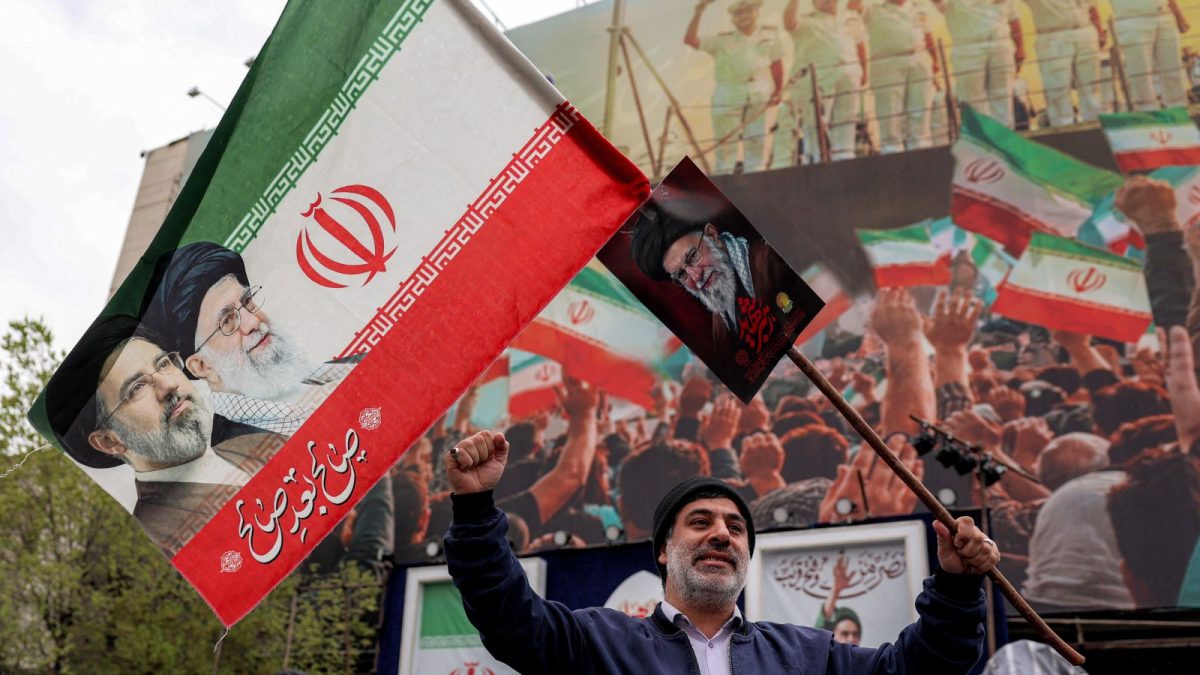
According to the reports, Iran intends to charge ships a transit toll of as much as $2 million per vessel.
I was scrolling through the news on my phone over a cup of strong masala chai when I first saw the headline about a possible $2 million toll for each ship crossing the Strait of Hormuz. Honestly, the figure sounded almost like a Bollywood movie plot twist, but then I read the details and realised it was a real possibility.
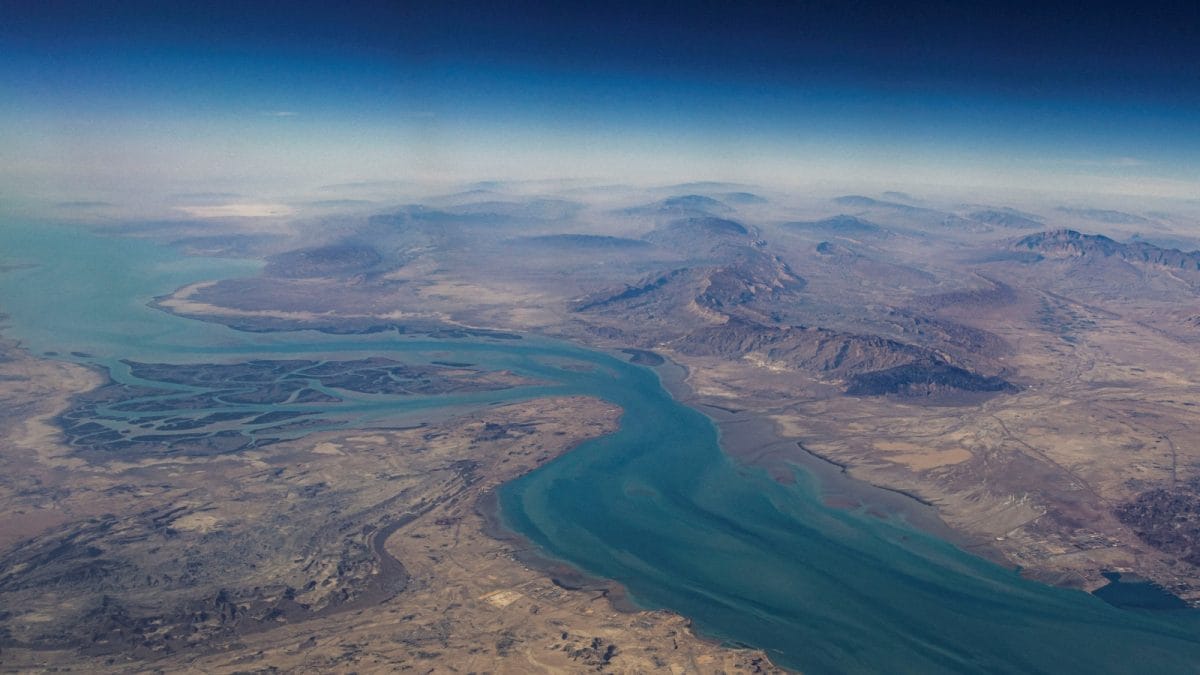
Shipping through the Strait of Hormuz, one of the world’s most critical maritime chokepoints, remains severely disrupted, with many vessels still avoiding the route amid lingering security concerns. The continued hesitation by shipping companies and insurers has raised questions about what it will take to restore normal traffic through the narrow waterway that carries a large share of global oil and gas supplies.
In most cases, I have heard that ship owners are simply waiting for a clear signal that it is safe to move their vessels. Yet the signal has been fuzzy at best, and the fear of getting caught in a sudden flare‑up is real, especially after what happened in the early weeks of the conflict.
Ship traffic through the Strait of Hormuz remains at less than 10% of normal levels
When I checked the numbers on a tracking app that a friend in Mumbai’s logistics sector recommended, I was shocked to see the figures. According to ship‑tracking data from Kpler, Lloyd’s List Intelligence and Signal Ocean, just seven ships passed through the Strait of Hormuz in the past 24 hours against a normal daily flow of around 140. These included one oil products tanker and six dry bulk carriers.
Iran is directing vessels through routes inside its territorial waters, which essentially means that every ship that does decide to sail must ask for permission directly from Iran. The move has also raised the prospect of ships being asked to pay transit tolls, potentially in cryptocurrency, even as a fragile cease‑fire continues to hold.
To give you a picture, imagine a busy Delhi market street that suddenly becomes almost empty because the shopkeepers are waiting for the police to clear the road. That’s the kind of atmosphere that grips the Strait of Hormuz right now – a lot of waiting, a lot of caution, and a few brave souls moving forward.
Hormuz Transit Still Seen As Risky
Hapag‑Lloyd, the fifth‑largest shipping company in the world, told CNN that it has six container ships trapped in the Strait of Hormuz, but it’s keeping them put for now.
“Our top priority is the safety of our employees on land and on sea. Based on our current risk assessment we are refraining from transiting the Strait of Hormuz,” spokesman Nils Haupt said.
News of a two‑week cease‑fire initially sent oil prices sharply lower and stocks soaring, underscoring the Strait of Hormuz’s importance to global trade. But the optimism quickly faded: despite assurances from US President Donald Trump that the Strait of Hormuz is open, only a handful of ships have passed through in recent days, and oil prices, after steep declines, are again nearing $100 a barrel.
Indeed, Lale Akoner, a global market analyst at financial services company eToro, told CNN it could take six months to get ship traffic back to where it was before the war began. Before the conflict, over 100 cargo vessels passed daily through the 21‑mile‑wide Strait of Hormuz, according to Lloyd’s List. This means the war’s economic impact, especially higher energy costs, is likely to outlast the fighting.
Shippers remain wary of relying on a fragile cease‑fire, particularly without clear guidance on which vessels can transit and when. Since the cease‑fire was announced, only two oil or gas tankers have passed through the Strait of Hormuz, according to data analytics firm Kpler.
“Vessel operators believe it’s not worth taking the risk,” said Joe McMonigle, president of think tank Global Center for Energy Analysis and who lives in Saudi Arabia. “People are going to be extremely cautious about going back to normal.”
What Will Bring Ships Back To The Strait?
Behind the scenes, shipping companies are trying to work out how to safely move their vessels out of the Persian Gulf. Shipping executives say they currently have “no information" on how ships should transit the Strait of Hormuz during the cease‑fire and are not in contact with Iranian authorities, according to Sanne Manders, president of Flexport, a global shipping logistics company.
Experts say Iran still effectively controls the Strait of Hormuz, but its authorities have yet to outline a clear plan for safe passage. Martín Izaguirre Salgado, a seafarer aboard his company’s oil tanker in the Persian Gulf since late February, said that as of Thursday the crew remained unable to leave, CNN reported.
Shippers are seeking clarity before moving vessels. They want “explicit approval from the people that may do you harm,” said Ron Widdows, the former head of the World Shipping Council. “How that process works, who exactly is the body that’s got the authority to say, ‘Yeah, you can or not.’”
Uncertainty deepened further after Iran’s Islamic Revolutionary Guard Corps claimed on Thursday that shipping through the Strait of Hormuz slowed sharply and later stopped following what it described as an Israeli cease‑fire violation in Lebanon.
Honestly, watching all these statements feel a bit like waiting for a traffic signal that never turns Green. Every day I check the news, hoping for a concrete plan, but the updates keep circling around the same vague promises.
Proposed Toll Demands
According to the reports, Iran intends to charge ships a transit toll of as much as $2 million per vessel. The UN’s International Maritime Organization said no international aGreement permits tolls on transit through international straits.
“Any such toll will set a dangerous precedent," an IMO spokesperson said. Hundreds of tankers and other vessels have been stranded in the Persian Gulf since the war began on February 28, cutting global oil supply by about 20%.
From a personal point of view, I can imagine a small trader in Kolkata trying to import diesel for his local shop. If the freight cost shoots up because of a $2 million toll, the price of diesel on the street would rise sharply, and the common man would feel the pinch.
In my neighbourhood, people discuss the rising fuel prices on every chit‑chat. Some say the price hike is because of the demand‑supply gap, while others point fingers at the ongoing turmoil in the Strait of Hormuz. Both explanations are not wrong; they are two sides of the same coin.
My Takeaway and What Might Change the Scenario
Putting it all together, the main things that could bring ships back to the Strait of Hormuz are clear, written instructions from Iran on safe passage, a guarantee that no unexpected tolls will be imposed, and a stable cease‑fire that holds long enough for insurers to feel comfortable again.
If I were to advise a friend who runs a small export business, I would tell them to keep a close eye on announcements from Iran’s maritime authorities and the International Maritime Organization. It might also help to have a backup route, like going around the Cape of Good Hope, but that adds weeks and huge extra fuel costs.
In everyday life, we Indians are used to dealing with long queues and waiting for things to sort themselves out. The situation in the Strait of Hormuz is no different – it just happens on a global scale. Until a mutually accepted plan is in place, I expect the traffic to stay at this unusually low level.