Setting the Scene: Islamabad Becomes the Talk‑Hub
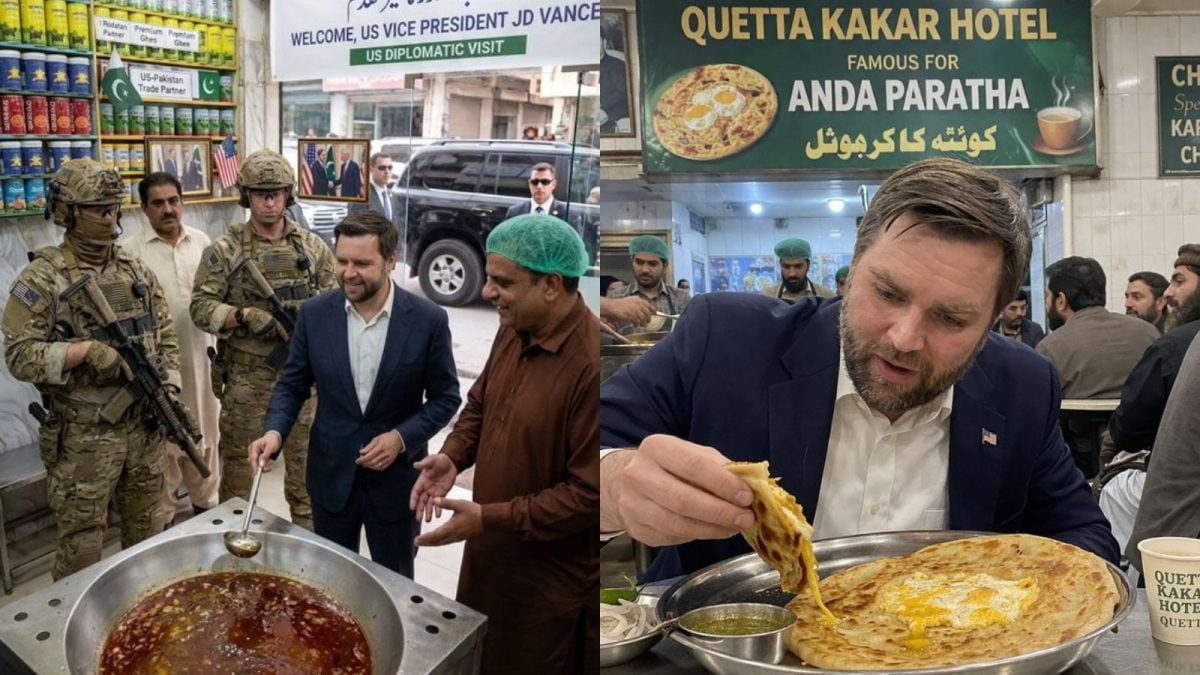
So, last night I heard that Vice President JD Vance has left for Pakistan along with a bunch of senior officials. The whole idea is to sit down in Islamabad and try to calm the West Asian tension that has been blowing up like a pressure cooker lately. It feels a bit like those family meetings where everyone brings their complaints and hopes something will settle, except this time the stakes are the flow of oil through the Strait of Hormuz and the price you pay at the petrol pump.
Pakistan is trying to play the role of a neutral host. The city is buzzing with security vans, and you can imagine a lot of media crews buzzing around, trying to capture every handshake. In most cases the hope is that a few candid conversations can break the deadlock that has built up since the two‑week ceasefire was supposed to hold, but many in Washington are not exactly convinced that the talks will bring a swift reopening of the Strait of Hormuz.
Who’s Who in the United States Delegation?
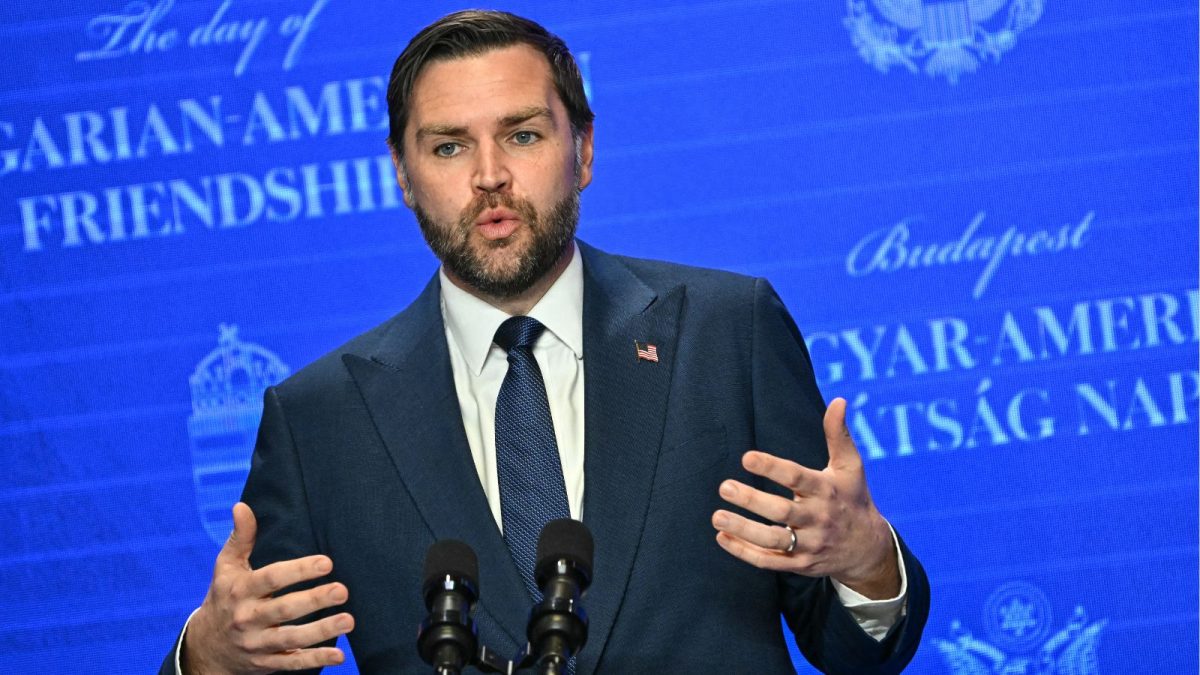
The United States delegation is not just Vice President JD Vance. Alongside there is the special envoy Steve Witkoff, who has been in the background trying to keep the communication lines open, and former President Donald Trump’s son‑in‑law Jared Kushner, who is often seen as a bridge between the political corridors and the private diplomatic back‑channel. The team also includes a few senior advisers whose faces you might spot on television when they talk about de‑escalation and the need to protect American interests overseas.
What’s interesting is that the United States delegation will be landing in a heavily guarded Islamabad, a clear sign that Pakistan wants to assure both sides that the venue is safe and the discussions are serious. It reminds me of how, during the monsoon, we lock the doors and windows because the storm could be fierce – here it is a diplomatic storm, and everybody wants to stay dry.
Iran’s Non‑Negotiable Checklist
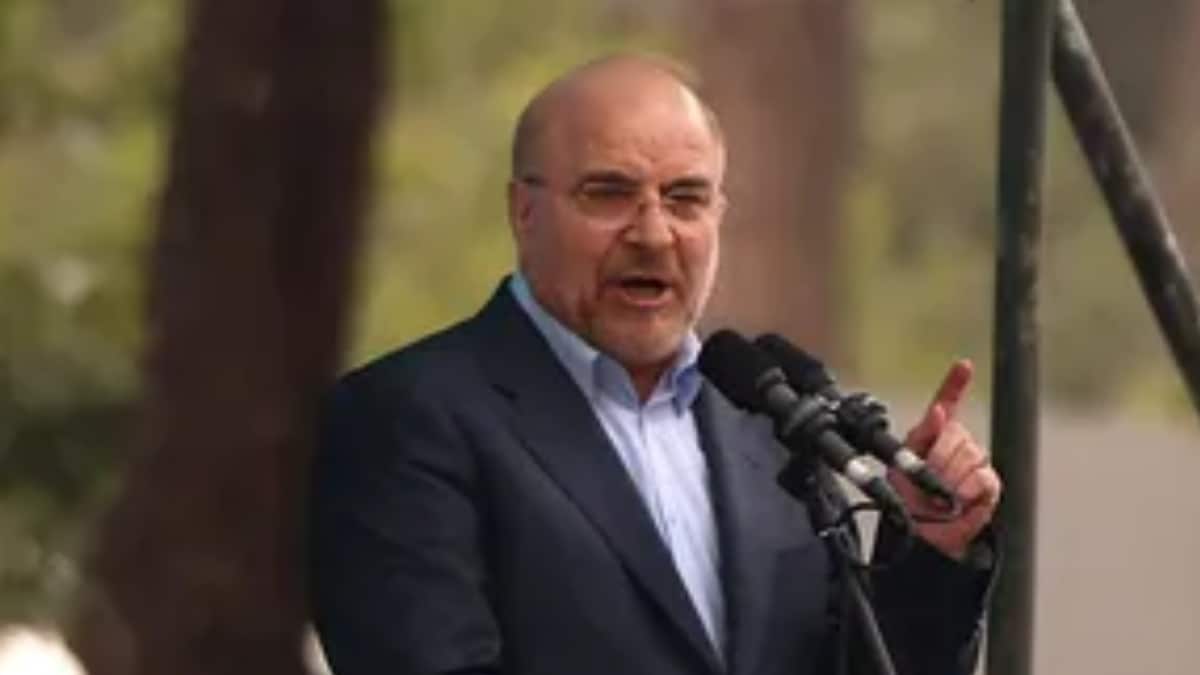
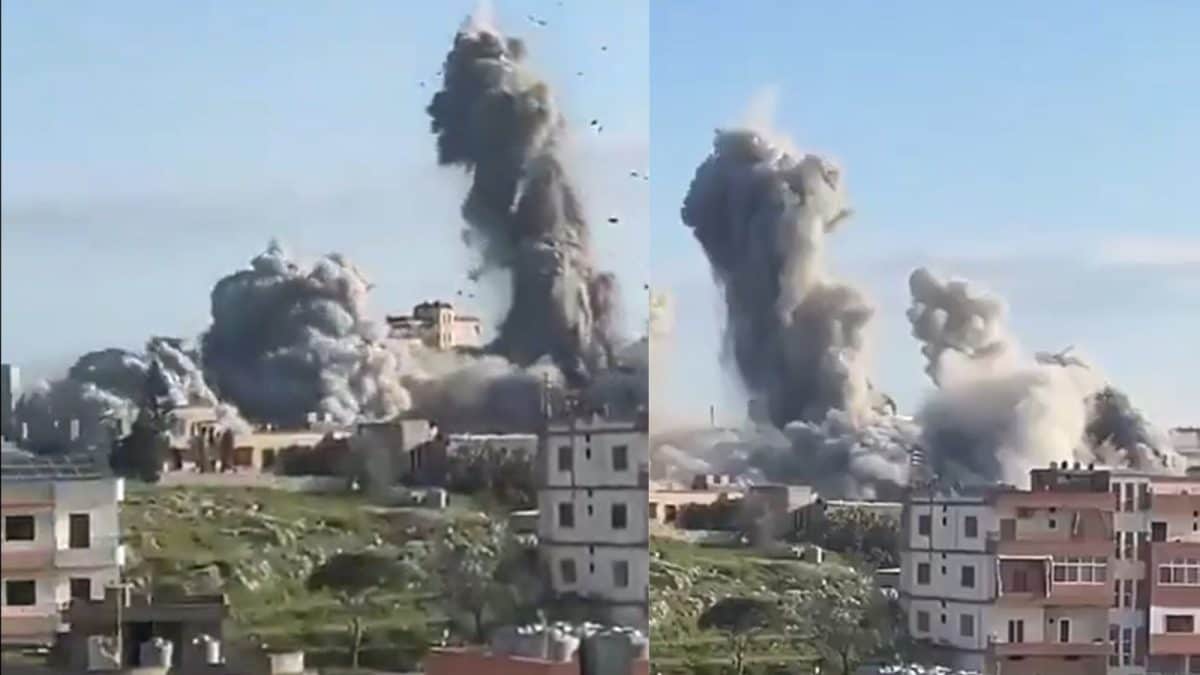
On the other side of the table, Iran’s Parliament Speaker Mohammad Baqer Qalibaf and Foreign Minister Abbas Araqchi have put forward a list that looks more like a demand note than a negotiation document. Their main points are: lift the sanctions that have been choking their economy, unfreeze Iranian assets that are sitting in foreign banks, and stop Israeli attacks on Hezbollah in Lebanon. In plain words, Iran wants the United States to ease the pressure it has been facing and also wants Israel to back off from its Lebanese operations.
These conditions have thrown a cloud over the talks because, in most cases, the United States cannot simply lift sanctions without a thorough parliamentary process back home. It feels a bit like trying to convince a shopkeeper to give you a discount when the owner upstairs has already set the price – the shopkeeper is stuck in the middle.
Why the Strait of Hormuz Matters So Much
The Strait of Hormuz is a narrow waterway that carries a huge chunk of the world’s oil – around a fifth of global petroleum passes through it every day. Any disruption there instantly scares the markets, makes gasoline prices jump, and can push inflation higher in countries that already struggle with the cost of living. Think of it like the Mumbai local train during peak hour – if something blocks the track, everyone feels the ripple.
Since the hostilities began in February, the oil market has already felt a wobble. Prices shot up, and the fear of a complete shutdown has kept traders on edge. Iran, even after taking heavy hits, still has the capability to disrupt traffic in the waterway, which is why the international community is watching the Islamabad talks like a hawk.
Economic Ripples: Oil Prices, Inflation, and Everyday Life
When the news broke about the escalation in February, gasoline stations in Delhi and Mumbai saw long queues as people rushed to fill up before prices climbed. The same pattern repeated in many Indian cities, and households started worrying about how the extra expense would affect their monthly budget. With a large portion of Indian imports dependent on oil, any spike in global crude translates directly into higher transport costs, which then seep into the price of food and daily goods.
Analysts, including former diplomat Barbara Leaf, have warned that the risk of the conflict flaring again is “very high”. She also mentioned that time is not on the administration’s side – the longer this goes on, the more confident Iran feels, and the harder it becomes to bring them back to the negotiating table. It reminds me of how, if you keep waiting at a traffic signal that never turns Green, you end up losing patience and the whole journey gets delayed.
Political Pressure Back Home
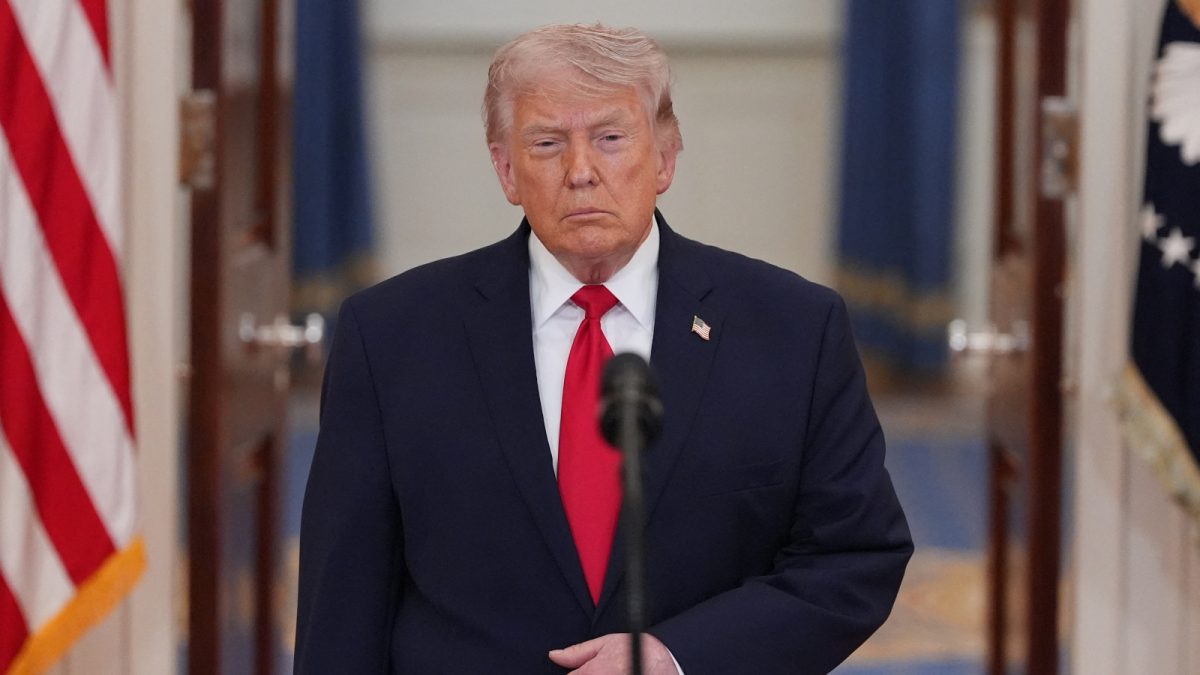
Back in the United States, President Donald Trump is feeling the heat from his own party ahead of the upcoming midterm elections. A stable Middle East has always been a talking point during campaigns, and any sign of escalation can be used by political opponents. The administration, therefore, wants to show that it is making a genuine effort to bring peace, even if the results are not immediate.
However, Washington officials are also wary of Iran’s willingness to negotiate meaningfully. There is a constant tug‑of‑war between wanting to ease tensions for the sake of oil prices and wanting to ensure that Iran does not get a free pass on its nuclear and missile programmes. This dual approach makes the negotiations look like a tightrope walk – one misstep could send both sides tumbling.
Key Differences Between the Two Sides
Iran keeps pushing for the removal of all sanctions and wants a say over the management of the Strait of Hormuz. On the other hand, the United States is expected to press for limits on Iran’s nuclear activities, want the release of detained American citizens, and desire a clear commitment from Tehran that it will not use the waterway as a leverage point in future disputes.
These contrasting demands create a substantial gap. Imagine trying to aGree on the price of a mango when one person wants it for free and the other wants double the market price – the negotiation quickly becomes a stalemate. Both sides have their red lines, and crossing them could lead to the talks collapsing before they even start.
What the Analysts Are Saying
Barbara Leaf, who served as an assistant secretary of state handling Middle East affairs during the previous administration, has been vocal about the dangers of a renewed escalation. She said the United States is feeling the pressure from potential energy supply disruptions and rising gas prices at home, and that Iran’s confidence is bolstered by the lack of a swift response from Washington.
Other experts point out that without tangible progress, the situation could slide back into a full‑blown confrontation, and the global energy market would feel the shock again. They warn that even a short‑term disruption in Hormuz can cause a ripple that reaches the streets of Bangalore, where commuters might see a sudden surge in fuel costs.
Understanding the West Asia Conflict
The West Asia conflict is built on decades of rivalry, especially between Iran, Israel and the United States. The roots go deep – ideological differences, competing security interests, and a constant scramble for regional influence. In February, the situation took a dramatic turn when the United States and Israel launched direct strikes on Iranian targets, and Iran answered back with missile and drone attacks that threatened many cities across the region.
Since then, the atmosphere has been tense, with each side watching the other closely for any sign of further aggression. The fear has been that the conflict could spread beyond the immediate borders and draw in more countries, which would have disastrous consequences for global trade, especially oil shipments that pass through the narrow waterway.
Potential Paths Forward
If the talks in Islamabad manage to find a middle ground, the most likely immediate outcome would be a renewed ceasefire with clearer terms for both sides. That could include a phased easing of sanctions in exchange for verifiable steps from Iran to limit its missile program. It might also involve a diplomatic mechanism to monitor traffic through the Strait of Hormuz, ensuring that any vessel crossing is safe and not used as a political pawn.
On the other hand, if the discussions stall because Iran holds onto its hard‑line demands and the United States cannot meet them, the risk of a renewed escalation remains high. In that scenario, the global oil market would probably see another price spike, and countries dependent on oil imports – including India – would have to brace for higher transport costs and inflationary pressure.
Why Pakistan’s Role Matters
Pakistan’s willingness to host the talks is part of its broader foreign‑policy goal of being seen as a peace‑broker in the region. The country shares borders with both Iran and Afghanistan, and stability in the neighbourhood directly affects its own security and economic interests. By providing a neutral ground, Pakistan hopes to strengthen its diplomatic standing and perhaps attract more foreign investment that values a stable neighbour.
For ordinary Indians, a stable Pakistan and a calm West Asian region mean fewer worries about oil price shocks and better chances for smoother trade routes. It’s like when a neighbour cuts down a tree that was blocking sunlight – the whole street benefits.
Conclusion: A Long Road Ahead
All in all, the Islamabad talks are an important step, but they are unlikely to bring the Strait of Hormuz back to normal within days. The conditions set by Iran, the political calculations in Washington, and the broader regional dynamics make the process complex. Still, keeping the dialogue open is better than letting the silence grow into louder gunfire.
For us here in India, the key takeaway is to stay informed about the developments, watch the fuel price updates, and understand that diplomatic efforts, even when they seem slow, are essential to keep the oil flowing and the economy steady. As the saying goes, “Patience is a virtue,” and in this case, patience combined with persistent dialogue could eventually calm the waters of Hormuz and bring a little relief to everyday life.