Why the World Overlooked Pakistan’s Role in the Iran‑United States Truce
What does the global silence surrounding Pakistan’s mediation in the United States‑Iran cease‑fire reveal about international perception of Pakistan’s diplomatic standing?
Intelligence Assessment of Pakistan’s Diplomatic Position
According to senior intelligence analysts, the effort undertaken by Pakistan is being interpreted primarily as a tool for narrative management rather than as a genuine diplomatic breakthrough. The analysts contend that the United States views Pakistan as a conduit for its own messaging, while Iran regards Pakistan as a peripheral participant rather than an autonomous peace broker.
The assessment emphasizes that the United States and Iran have not publicly credited Pakistan for the outcome, which in turn shapes the perception of Pakistan’s role on the world stage. The lack of public acknowledgment is interpreted by the analysts as an indication that Pakistan functions more as a messenger of the United States than as an independent arbitrator capable of reshaping regional dynamics.
Pakistan’s Own Account of the Mediation Process
Pakistan maintains that it facilitated indirect dialogue by transmitting messages between the United States and Iran at a time when direct diplomatic channels were unavailable. According to Pakistan, the transmission included a comprehensive fifteen‑point proposal put forward by the United States and a ten‑point response crafted by Iran.
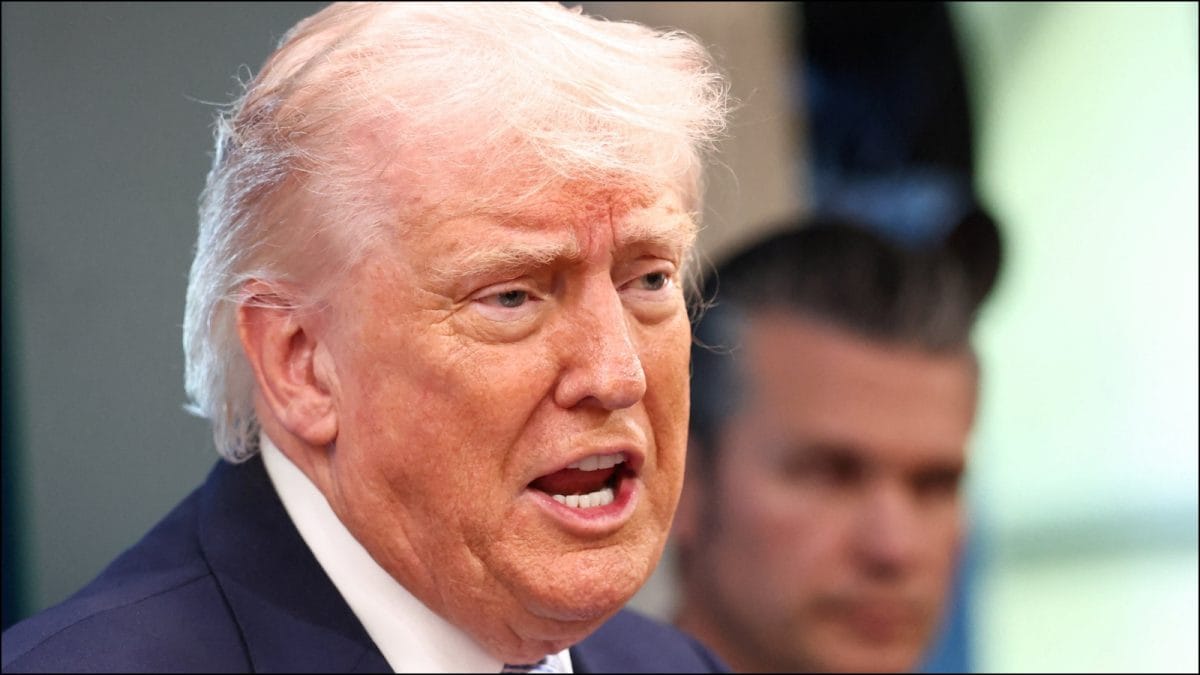
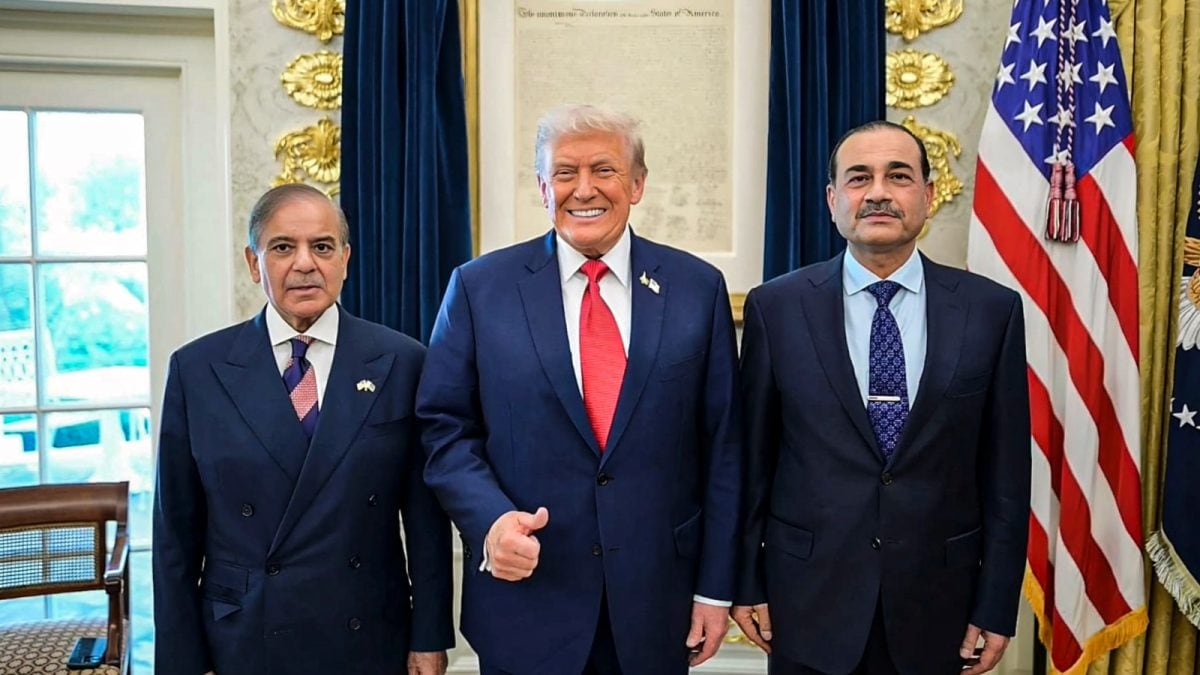
Pakistan asserts that Prime Minister Shehbaz Sharif and Army Chief Field Marshal Asim Munir personally appealed to President Donald Trump, urging the United States to delay a large‑scale military operation that had been planned for the night that followed the initial exchange of proposals.
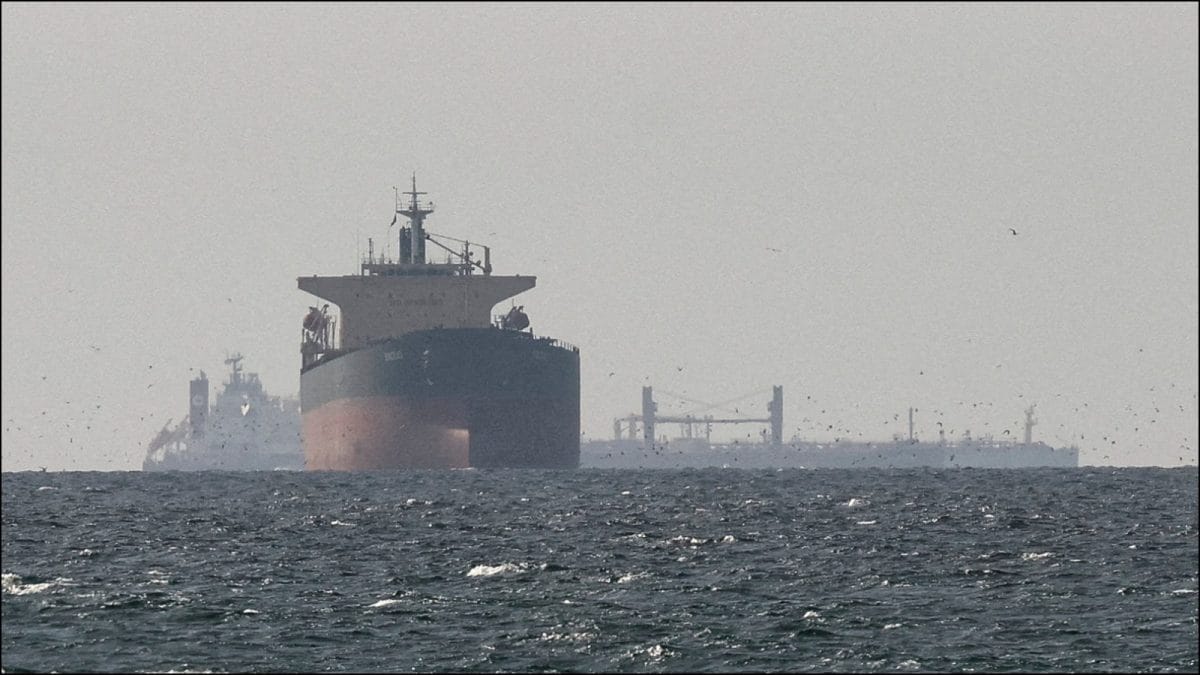
Pakistan further claims to have introduced a fourteen‑day cease‑fire framework designed to create space for broader negotiations and to secure the immediate reopening of the strategic waterway that connects the Persian Gulf with the Gulf of Oman. The framework, according to Pakistan, called for an unobstructed flow through this waterway and set the stage for continued talks.
Pakistan announced the cease‑fire plan publicly and invited delegations representing both the United States and Iran to travel to the capital for a second round of negotiations. The invitation, according to Pakistan, signaled a willingness to host a neutral venue where the parties could discuss the terms of a longer‑term settlement.
Why International Actors Remain Silent: Insights from Intelligence Sources
Senior analysts explain that the silence of major powers stems from a deliberate decision by the United States and Iran not to attribute the outcome to Pakistan. The analysts note that Europe, China and Russia have refrained from issuing statements that would single out Pakistan for praise, opting instead to focus on the broader goal of durable peace.
One analyst observed, “Pakistan’s role as a broker is seen as domestic propaganda. The security establishments of China and Russia have underlined that the Islamic Revolutionary Guard Corps continues to control operations in the strategic waterway and can reverse any reopening at its discretion.”
Another source added, “The global reaction makes it clear that Pakistan acted as a messenger for the United States rather than as an independent, trustworthy mediator.”
According to the sources, Field Marshal Asim Munir led all‑night direct contacts with United States Vice President JD Vance, senior United States official Witkoff and Iranian negotiator Abbas Araghchi. These contacts, the sources say, enabled the Pakistani military establishment to shape the so‑called Islamabad Accord.
Moscow had earlier advocated for cease‑fires at the United Nations, working in coordination with China. However, both Moscow and Beijing have issued no prominent statements that explicitly commend the Islamabad Accord. China, while presenting joint proposals together with Pakistan, has largely remained muted after the announcement, limiting its remarks to a call for continued dialogue without praising Pakistan’s contribution.
Analysts contend that China views the aGreement as a temporary measure engineered by the United States to protect global market stability, rather than as a victory for Pakistan. The United States and Iran, the sources say, received the proposal but chose to frame the outcome as a bilateral aGreement, thereby marginalizing Pakistan’s involvement.European capitals have likewise issued cautious statements that emphasize the need for lasting peace without assigning credit to any particular mediator. The overall diplomatic tone, according to the analysts, reflects a consensus that the cease‑fire serves as a short‑term time‑buy for the United States to avert wider economic disruptions.
Implications for Pakistan’s International Standing
The prevailing narrative that Pakistan functioned primarily as a messenger for the United States carries significant implications for Pakistan’s reputation as a regional peacemaker. The perception that Pakistan’s diplomatic overtures were driven by United States interests rather than by an autonomous peace‑building agenda may limit the willingness of other states to engage Pakistan in future conflict resolution efforts.
Moreover, the lack of explicit acknowledgment from the United States and Iran means that Pakistan does not benefit from the diplomatic capital that typically follows a successful mediation. The silence from Europe, China and Russia further reinforces the view that Pakistan’s role, while logistically important, does not constitute a breakthrough in its ability to act as an independent arbitrator.These dynamics also influence domestic narratives within Pakistan. The government’s portrayal of the mediation as a triumph can be read by external observers as a domestic propaganda exercise, especially when the international community refrains from echoing that framing.
Finally, the episode underscores the complex interplay between great‑power diplomacy and the aspirations of smaller regional actors. While Pakistan was able to establish communication channels and propose a concrete cease‑fire framework, the ultimate ownership of the aGreement, as expressed by the major powers, remains with the United States and Iran.