Wireless Festival cancelled after UK government blocks Kanye West’s entry
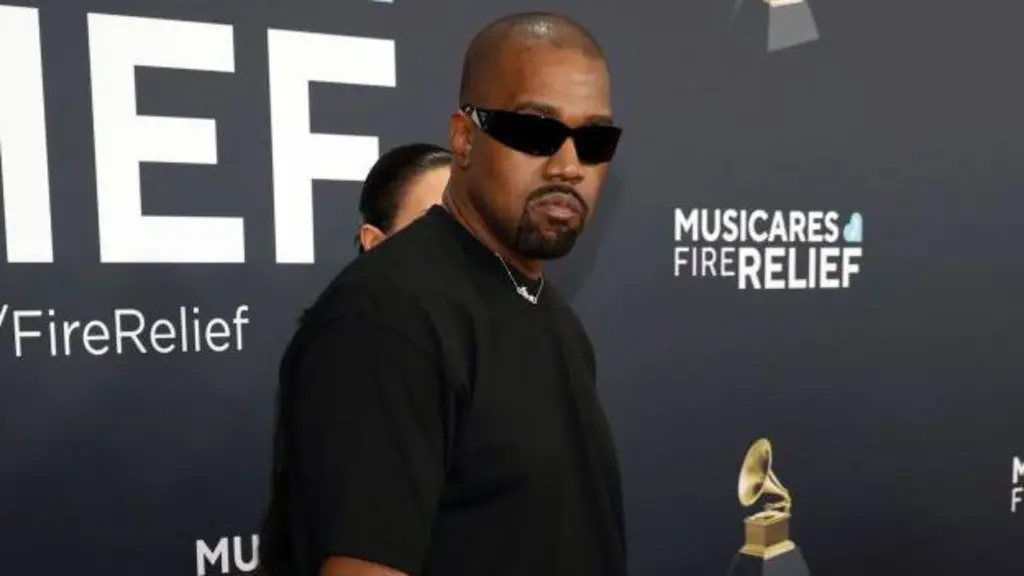
The planned headline performance by Kanye West at the London Wireless Festival was scrapped after the government revoked the artist’s visa amid widespread criticism of antisemitic and pro‑Nazi remarks.
Background to the cancellation
Wireless Festival, a prominent outdoor music event organized by Festival Republic, had secured a contract with Kanye West to serve as the headline act for its summer edition in London. The selection of Kanye West generated intense public debate because of a series of statements that were widely interpreted as antisemitic and supportive of extremist narratives. Community leaders, advocacy groups, and media commentators highlighted the controversy, arguing that granting a performance platform to Kanye West could convey implicit endorsement of the offensive rhetoric.
Amid this climate of scrutiny, officials from the Home Office processed a visa application that would permit Kanye West to travel to the United Kingdom for the festival dates. The visa approval was interpreted by festival organisers as a Green light for the scheduled appearance, and promotional materials began to reference Kanye West as the headlining attraction.
Visa issuance and immediate reaction
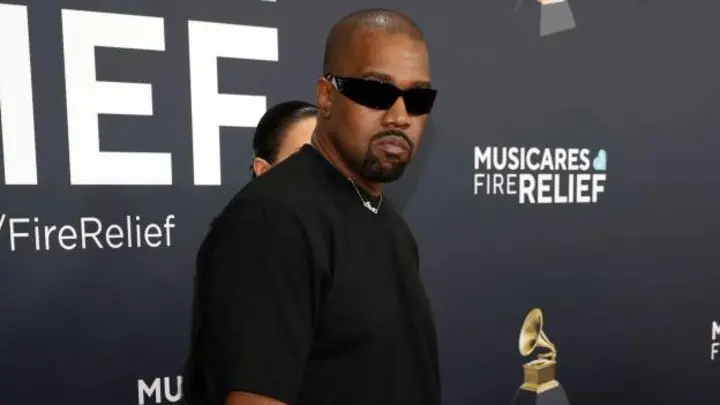
Shortly before the official cancellation notice, Melvin Benn, managing director of Festival Republic, disclosed on a national news programme that a visa granting Kanye West entry to the United Kingdom had been issued in recent days. In the interview, Melvin Benn stated, "Kanye West has a visa already issued to appear, to come into the country, and the Home Secretary may well rescind that today, I don't know." The comment suggested that the decision to revoke the visa could still be pending at the moment of the interview.
Melvin Benn further explained that the Home Secretary in question, Shabana Mahmood, possessed the authority to withdraw the visa if deemed necessary. Melvin Benn indicated that, should Shabana Mahmood exercise that power, the matter concerning Kanye West’s appearance would be resolved definitively.
Following the broadcast, government officials moved swiftly. Within a matter of hours, the Home Office announced that Kanye West would be barred from entering the United Kingdom, effectively nullifying the previously issued visa. The reversal was framed as a response to the ongoing public outcry and the concerns raised by various community organisations.
Community leaders’ stance on the proposed performance
During the same interview with the national news programme, Melvin Benn relayed that representatives of Jewish communities had been approached with an invitation to meet with festival organisers. According to Melvin Benn, the Jewish communities had declined the invitation, stating, "We have reached out and they've refused to meet him." This statement implied a collective decision by multiple Jewish organisations to distance themselves from any direct engagement with the artist.
In response to Melvin Benn’s claim, a spokesperson for the Board of Deputies of British Jews issued a clarification through the same news outlet. The spokesperson emphasized that neither the Board of Deputies nor, to the best of their knowledge, the Jewish Leadership Council had turned down any request for a meeting with the Wireless Festival organisers. The clarification read, "When the Board of Deputies received a letter from Melvin Benn on 6 April, proposing to meet, in response to a letter we sent setting out our concerns, we responded positively." This passage indicated that the Board of Deputies had, in fact, expressed willingness to engage in dialogue following an earlier correspondence that outlined specific grievances.
The Board of Deputies spokesperson continued, stating unequivocally that the invitation extended to Kanye West to perform at the Wireless Festival should be withdrawn. The refusal to entertain a performance was presented as a principled stance, reflecting deep concerns about the potential normalisation of hate‑filled rhetoric.
Government’s decisive action and its implications
The Home Secretary’s decision to revoke the visa granted to Kanye West marked a decisive governmental intervention in an entertainment‑related matter. By exercising discretionary powers, the Home Office effectively prevented Kanye West from travelling to the United Kingdom, thereby removing any legal basis for participation in the Wireless Festival. The revocation aligned with broader policy considerations surrounding public safety, community cohesion, and the mitigation of extremist influence.
Legal analysts noted that the visa revocation process, while swift, adhered to established protocols that permit the Home Office to withdraw entry clearance when new information emerges that suggests a risk to public order. The decision underscored the capacity of governmental authorities to act in the public interest when cultural events intersect with issues of hate speech and societal harmony.
Following the revocation, Festival Republic announced the cancellation of the entire Wireless Festival. The cancellation was framed as a direct consequence of the inability to secure Kanye West’s participation, given that the headline slot was central to the festival’s programming and marketing strategy. Festival Republic indicated that the logistical challenges of revamping the line‑up at short notice, combined with the heightened public sentiment, made the continuation of the event untenable.
Reactions from the broader public and industry observers
Observers across the music industry expressed a mixture of disappointment and approval. Some commentators lamented the loss of a major cultural gathering that traditionally attracted large audiences and generated significant economic activity in the host city. Others praised the decisive stance taken by the Home Office and the clear message communicated by the Board of Deputies, asserting that the move reinforced societal standards against hate‑filled speech.
Social media platforms reflected a polarized discourse. Supporters of Kanye West questioned the fairness of the visa revocation, arguing that artistic expression should be protected from governmental interference. Critics, however, reinforced the view that allowing a performer with a documented history of antisemitic remarks to appear on a prominent stage could legitimize dangerous ideologies.
Within the community of festival‑goers, many expressed frustration at the abrupt change, noting that ticket purchases had already been made and travel arrangements were in progress. Refund procedures were highlighted as a priority, with Festival Republic committing to processing reimbursements in accordance with existing consumer protection regulations.
Impact on future event planning and policy considerations
The cancellation of Wireless Festival serves as a case study for event organisers assessing the risks associated with booking artists who are the subject of public controversy. Organisers may now place greater emphasis on thorough background reviews, stakeholder consultations, and contingency planning to mitigate the possibility of last‑minute disruptions.
Policy makers, meanwhile, may interpret the outcome as evidence that immigration controls can be leveraged to uphold community standards. The precedent set by the Home Office’s action could influence future decisions where the potential entry of high‑profile individuals intersects with concerns about hate speech or extremist propaganda.
Legal scholars anticipate that the balance between artistic freedom, public safety, and community values will continue to be a contested arena. The Wireless Festival episode illustrates the complex interplay between cultural expression, governmental authority, and civil society advocacy, underscoring the need for clear guidelines that respect both freedom of expression and the imperative to protect vulnerable groups.