Young Gray Whale Dies After Intricate River Journey in Washington State
Young Gray Whale Dies After Intricate River Journey in Washington State
Experts suspect hunger drove the juvenile gray whale, nicknamed Willapa Willy, to venture 20 miles inland up the Willapa River, where it was later found dead.
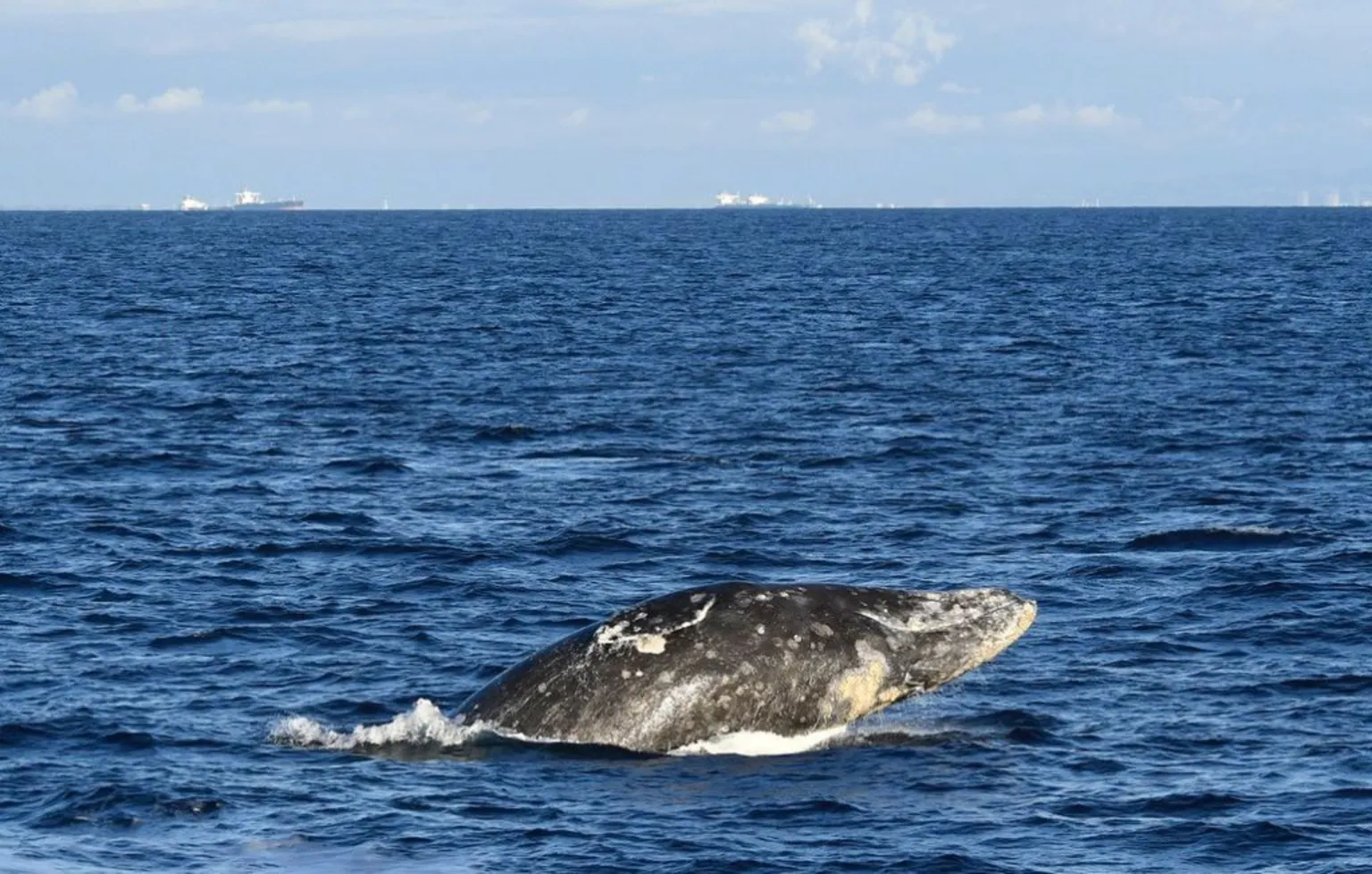
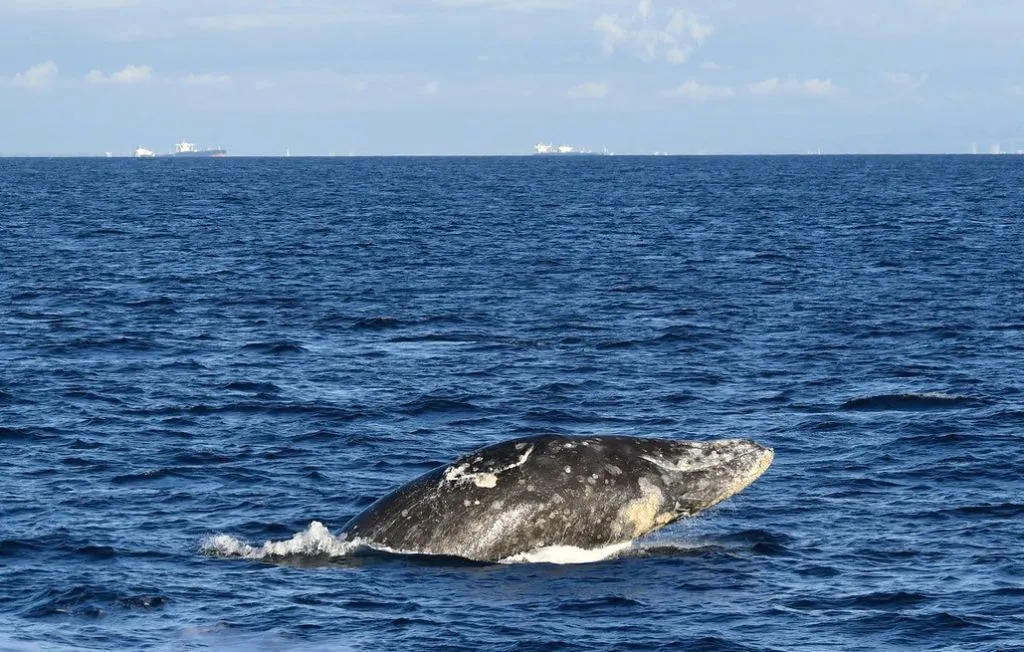
A young gray whale has been found dead after swimming 20 miles (32.2 km) inland up a river in Washington state, a local scientific research group said, pointing to hunger as a possible cause.
The Cascadia Research Collective announced on Saturday that the whale seen in the Willapa River over the past few days is deceased. Cascadia Research Collective added that the organization was evaluating the safety of the location before conducting a detailed examination.
The juvenile whale, affectionately dubbed “Willapa Willy” by locals, was first spotted last Wednesday in the north fork of the Willapa River, about 145 miles southwest of Seattle, the marine‑mammal research group reported. Willapa Willy, although thin, was behaving normally at the time of the first sighting, and there were no obvious signs of injury.
Cascadia Research Collective’s teams hoped that Willapa Willy would find its own way out of the Willapa River, but Willapa Willy failed to do so. The inability of Willapa Willy to navigate back to open ocean prompted concern among researchers and the local community.
Scientific Context for the Inland Migration
John Calambokidis, a research biologist with Cascadia Research Collective, explained to the Associated Press that gray whales undertake long spring‑time migrations north along the Pacific Coast to feed in the Arctic. During this migration, gray whales expend their stored nutritional reserves while seeking abundant prey. John Calambokidis noted that when reserves become critically low, “you often see gray whales in a more desperate search for new areas to feed.” John Calambokidis identified this behavior as the most likely context for the inland movement of Willapa Willy.
John Calambokidis also highlighted that gray whales in the eastern part of the Pacific Ocean have faced reduced food availability in the northern Bering and Chukchi seas off Alaska’s coast in recent years. John Calambokidis stated that gray whales are facing a major crisis and that the heart of the crisis appears to be a decline in their ability to feed on Arctic prey.
Biology and Threats to Gray Whales
According to the National Marine Fisheries Service in the United States, gray whales are a focus of whale‑watching and ecotourism along the west coast of North America. Gray whales can grow to about 15 meters long (49 feet) and weigh approximately 40,000 kg (90,000 pounds). Gray whales face several threats during their long migration routes, including vessel strikes and entanglement in fishing gear. Gray whales also tend to travel alone, and long‑term bonds between individuals are thought to be rare.
In April, two adult gray whales washed up dead in the nearby Ocean Shores area. Cascadia Research Collective reported that these two 42‑foot adults—a male and a female—were both malnourished. The male also exhibited significant trauma to the head, consistent with a ship strike, according to Cascadia Research Collective.
The most recent count from the winter of 2025 reveals a continuing decline in the population of the species, according to NOAA Fisheries. NOAA Fisheries estimated that there were about 13,000 gray whales, the lowest count since the 1970s.
Implications of the Tragic Event
The death of Willapa Willy underscores the vulnerability of gray whales when food sources become scarce. Willapa Willy’s thin condition, combined with the extreme inland travel up the Willapa River, suggests that hunger may have been a driving factor. The case of Willapa Willy aligns with observations made by John Calambokidis regarding the desperate foraging behavior exhibited by gray whales when traditional feeding grounds in the Arctic become insufficient.
The incident also highlights the importance of monitoring riverine incursions by marine mammals. Cascadia Research Collective’s rapid response and public communication illustrate the critical role of local scientific research groups in documenting and addressing such unusual events.
Conservation agencies, including the National Marine Fisheries Service in the United States and NOAA Fisheries, continue to track population trends and threats to gray whales. The declining population figures reported by NOAA Fisheries emphasize the urgency of mitigating threats such as vessel strikes, fishing‑gear entanglement, and, increasingly, the impacts of reduced prey availability in the Arctic.
Community involvement, as demonstrated by the locals who named Willapa Willy and reported sightings, remains a vital component of whale conservation. The shared concern for Willapa Willy’s fate reflects a broader public interest in protecting gray whales and preserving the ecological balance of the Pacific marine environment.