Beavers make comeback to county after four centuries
The renowned “ecosystem engineers” have been set free on Southill Estate following two years of meticulous preparation.
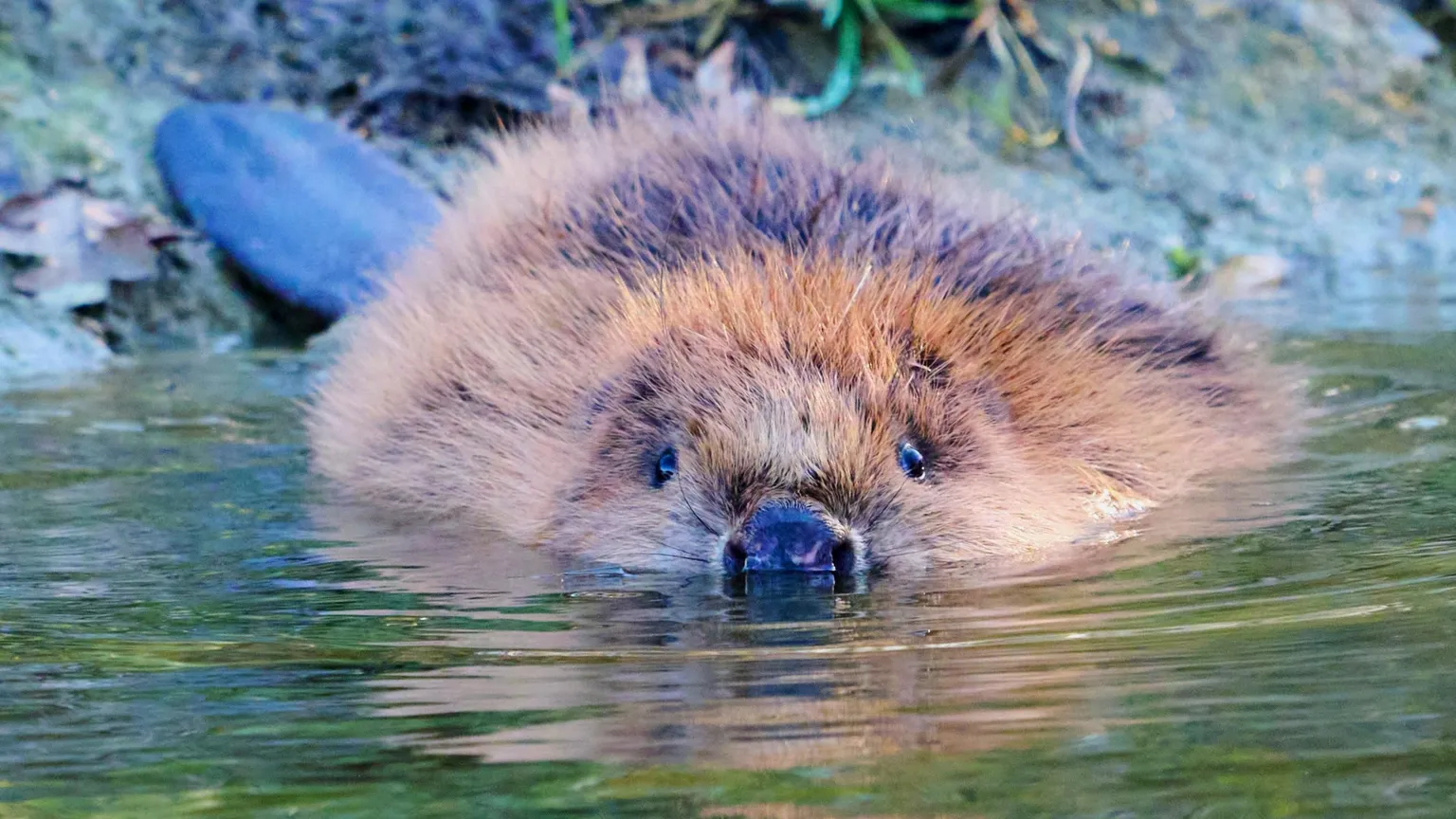
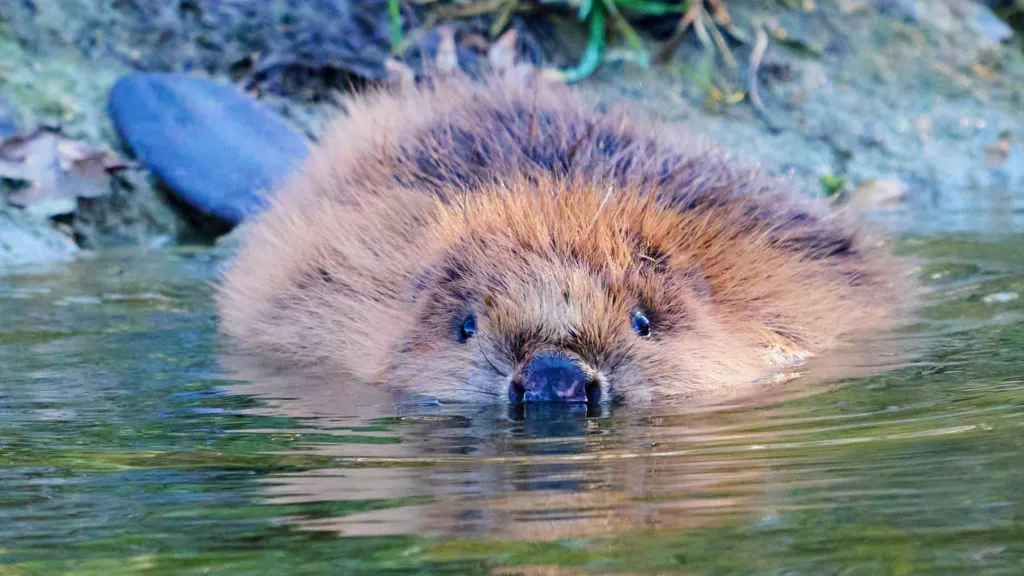
A family of Eurasian beavers has successfully been released into the Bedfordshire countryside for the first time in four hundred years.
The group, consisting of an adult male, an adult female and two juvenile kits, was introduced to Southill Estate, located close to Biggleswade, at the end of February. This release marks the culmination of a project that required two years of intensive planning, habitat preparation, and regulatory approval.
Purpose and ecological role of Eurasian beavers
Restore, the nature‑restoration company that coordinated the release, describes Eurasian beavers as “recognised as ecosystem engineers”. The term reflects the species’ ability to shape waterways, create wetlands, and influence the surrounding environment through dam‑building activities.
According to Restore, the primary objective of re‑introducing Eurasian beavers to Southill Estate is to restore ecological balance and to harness the species’ natural engineering skills to enhance drought resilience across the landscape. By constructing dams, Eurasian beavers slow the flow of water, encouraging the formation of ponds and wetlands that act as natural water stores. In a region such as Bedfordshire, which is identified as one of the driest counties in the United Kingdom, these functions are considered especially valuable.
Beyond water retention, Restore explains that beaver activity contributes to “natural flood mitigation” within the River Ivel chalk‑stream catchment. By attenuating peak flows, beaver dams reduce the speed and volume of flood‑water surges, thereby protecting downstream habitats and human settlements.
Vision of Southill Estate and remarks from Charles Whitbread
Charles Whitbread, the owner of Southland Estate, described the journey toward the release as “long and complex”. Charles Whitbread emphasized that the challenges encountered during the two‑year preparation period were numerous and at times seemed insurmountable.
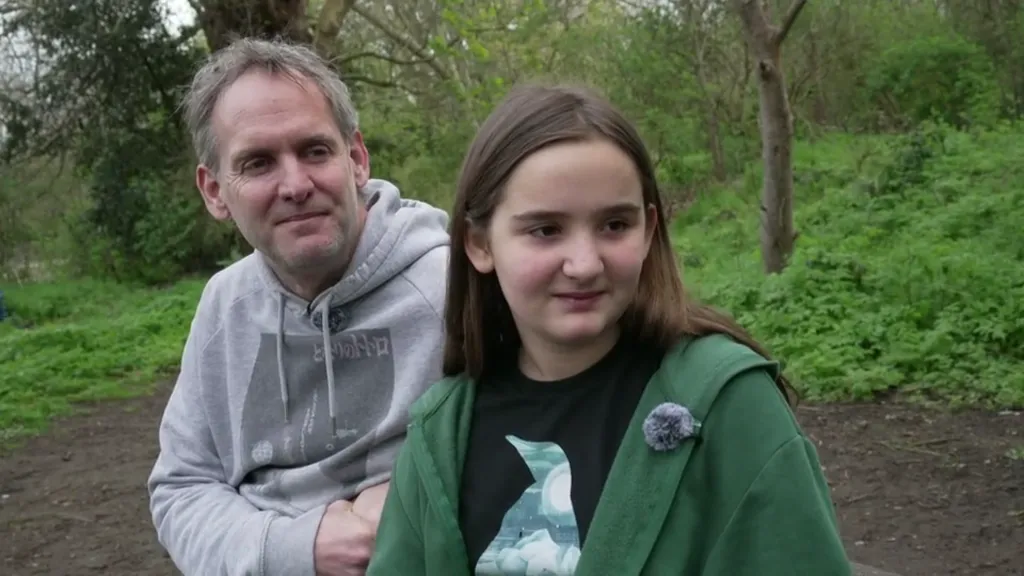
“This has been a long and complex journey, with challenges we didn’t always know we would overcome and there were moments when we genuinely wondered whether this day would ever come,” Charles Whitbread said.
Charles Whitbread continued, “To finally see the Eurasian beavers released and swimming in the landscape was truly wonderful, and something I will not forget.” The statement underscores the personal significance of the project for Charles Whitbread and highlights the emotional impact of witnessing the newly released Eurasian beavers adapting to their environment.
Planning, licensing, and habitat creation
Two years of careful preparation laid the groundwork for the successful release. The preparation phase involved securing a licence from Natural England, a process that was carried out in partnership with the Beaver Trust. The licence stipulated a range of conditions, including the requirement for continuous monitoring of the Eurasian beaver family and the maintenance of a secure enclosure during the initial acclimatisation period.
To meet the licence conditions, a fenced enclosure was erected on Southland Estate. Within this enclosure, a pond was excavated, willow saplings were planted, and a previously straightened ditch was “re‑wiggled” to restore a more natural hydrological flow. The re‑wiggling of the ditch increased habitat complexity, providing the Eurasian beavers with a varied environment conducive to dam building and foraging.
Restore reported that the release of the Eurasian beavers took place in two distinct stages. In the first stage, an adult male and two kits sourced from Scotland were introduced into the enclosure. A few days later, an adult female that had spent fourteen months at Wildwood Trust undergoing rehabilitation and preparation for independent living was added to the group.
Broader commitment to land stewardship
Restore highlighted that the Eurasian beaver release reflects a broader commitment by the owner of Southland Estate to manage land in a manner that balances productive use with the restoration of natural habitats. The introduction of Eurasian beavers is intended to create space for nature to recover while still supporting agricultural and other land‑use activities on Southland Estate.
By allowing Eurasian beavers to modify watercourses, Southland Estate aims to generate a more resilient landscape capable of withstanding periods of drought and heavy rain. The resulting wetlands and ponds are expected to provide additional wildlife habitat, increase biodiversity, and improve overall ecosystem health.
Future monitoring and long‑term expectations
Under the terms of the licence granted by Natural England, Southland Estate, in partnership with Restore, will conduct ongoing monitoring of the Eurasian beaver family. This monitoring will track dam‑building activity, water‑level changes, vegetation impacts, and the overall health of the Eurasian beaver family.
Continuous observation will also help assess whether the introduced Eurasian beaver family successfully adapts to the local environment and contributes to the anticipated ecological benefits, such as enhanced water retention and flood mitigation within the River Ivel catchment.