The Unexpected Swiss Chalet Hidden in Glen Helen, Isle of Man
Visitors to the Isle of Man often imagine rugged coastline, ancient castles, and rolling countryside. Few anticipate encountering a classic Alpine chalet perched beside a cascade of water in a secluded valley. Yet a walk through Glen Helen in the island’s western region reveals precisely that – a Swiss‑style chalet that has become a beloved landmark, a reminder of 19th‑century ambition, and a fresh focal point for contemporary local commerce.
Artificial origins of a natural‑looking glen
Matthew Richardson of Manx National Heritage explains that while the present‑day charm of Glen Helen suggests centuries of untouched wilderness, the reality is far more crafted. Records point to the early 1820s as the moment when the valley first began to be shaped by human hands. The name "Glen Helen" itself is an invention; the original designation is believed to have been "Glen Nelen," a name that morphed over time into the current form.
According to Matthew Richardson, the entire landscape of Glen Helen was deliberately engineered. "The whole thing is artificial, even the name Glen Helen is an invented name," Matthew Richardson said. The valley’s waterfalls, stone walls, and winding pathways were not the product of natural erosion alone but the result of deliberate planting, construction, and landscaping undertaken by an enterprising individual.
The centerpiece of this artificial creation was a building styled after a Swiss mountain cottage. Originally known simply as a "Swiss Cottage," the structure has undergone several external modifications over two centuries, yet its core Alpine aesthetic has endured.
John Astley Marsden – the visionary Liverpool businessman
John Astley Marsden arrived on the Isle of Man in the 1820s after establishing a prosperous brush‑manufacturing enterprise in Liverpool. Matthew Richardson describes John Astley Marsden’s move as typical of the era: "Quite a common thing, for people to make their money in the smoke and grime of Liverpool but you don't want to live there, and instead move out into the country."
When John Astley Marsden first set foot in the valley that would later become Glen Helen, he encountered a modest stream winding through a modest dip in the terrain. Determined to fashion a private retreat, John Astley Marsden embarked on an ambitious programme of planting, building, and sculpting the land.
Matthew Richardson recounts John Astley Marsden’s efforts: "He planted thousands of trees, built these little walkways and ridges." In addition to tree planting, John Astley Marsden engineered a dramatic waterfall by constructing a retaining wall across the valley floor, causing water to plunge roughly 35 feet and create a more spectacular visual effect than the original natural cascade.
Beyond landscaping, John Astley Marsden demonstrated a fascination with diverse architectural styles. Matthew Richardson notes that a similar eclectic approach appeared at a Merseyside property dubbed "the Brush Castle." Although John Astley Marsden never made the Swiss‑style chalet his permanent residence, he occupied it for roughly ten years before selling the property as a commercial venture.
The tourism explosion of the 19th century
By the 1840s, the Swiss‑style chalet had transformed from a private hideaway into a public attraction. Matthew Richardson explains that the Isle of Man was already recognised as an exotic destination for travelers seeking novelty and natural beauty. The chalet, situated within the artificially enhanced landscape of Glen Helen, quickly became a focal point for visitors.
When the island’s railway network expanded, a dedicated omnibus began shuttling passengers from St Johns railway station directly to Glen Helen. This convenient access contributed to a surge in footfall. In 1876, records indicate that 33,000 visitors travelled to the site, a figure that underscores the rapid growth of leisure travel during the latter half of the 19th century.
During this period, the chalet operated as a restaurant, offering meals to tourists who had hiked through the curated pathways and admired the engineered waterfall. The combination of Alpine architecture, picturesque scenery, and convenient transport helped Glen Helen stand out among the island’s many attractions.
From public popularity to public ownership
The popularity of Glen Helen persisted well into the early 20th century, yet changing travel patterns and the rise of automobile tourism gradually altered visitor numbers. By the mid‑20th century, the site experienced a noticeable decline in patronage.
In 1958, the Isle of Man Forestry Board acquired the land, converting Glen Helen into a nationally‑owned glen. Under public stewardship, the chalet continued to serve as a lodge and café, providing a modest but enduring hospitality offering for both tourists and local residents.
While the building remained functional, it suffered from the ravages of time. In 2020, a fire broke out, devastating the chalet’s roof and a substantial portion of the first floor. The blaze left the structure exposed, and fences were erected to secure the damaged site, creating an atmosphere of neglect that lasted several years.
A new lifeline: farm shop and deli vision
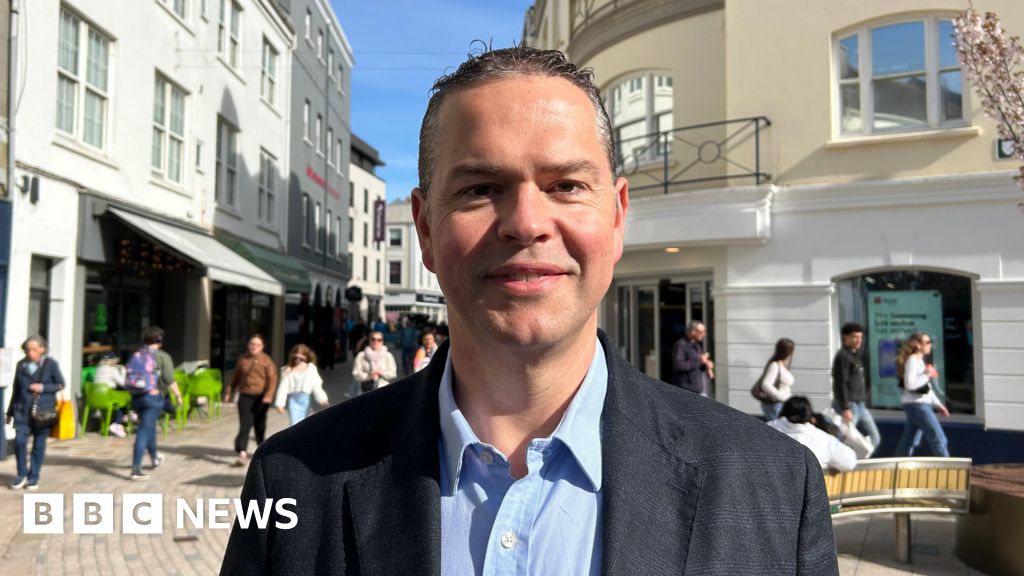
Renewed hope arrived when Matt Harrison, the founder of the Isle of Man Farm Shop Company, secured planning permission to redevelop the chalet into a farm shop and deli focused exclusively on Manx‑produced goods. Matthew Richardson notes that the approval marked a turning point for the historic site.
Matt Harrison expressed "absolute elation" upon receiving the green light and commemorated the moment with a bottle of Champagne shared among his staff. The intended operation will combine a butchery, fishmongery, and a deli stocked with locally sourced fruits, vegetables, breads, honey, jams, and preserves.
The enterprise already collaborates with 82 Manx suppliers, boasting a catalogue of more than 800 distinct products. In addition to foodstuffs, Matt Harrison plans to showcase artisanal crafts, including sea‑glass jewellery created by a local artist who collects glass daily from the island’s beaches.
Looking ahead, Matt Harrison envisions a vibrant cultural hub within Glen Helen. Proposed ideas include hanging a large projection screen from the chalet to host an open‑air summer cinema, as well as establishing a bistro that would provide cooking classes and culinary demonstrations. Matt Harrison emphasizes that the chalet is intended to be "an experience" rather than merely a retail outlet.
Continuing the legacy of Glen Helen
Glen Helen remains a striking example of how human imagination can reshape a natural environment while preserving a sense of wonder. From John Astley Marsden’s 19th‑century landscaping ambitions to Matthew Richardson’s stewardship of the site’s history, and now to Matt Harrison’s modern commercial revival, each chapter adds depth to the narrative of this alpine‑style refuge on the Isle of Man.
Visitors who wander along the bridle paths, pause beneath the engineered waterfall, and step inside the restored chalet will encounter a layered story—one that intertwines industrial prosperity, Victorian tourism, mid‑century public stewardship, and contemporary dedication to local food culture. The chalet, though rooted in a fabricated past, continues to evolve, inviting each new generation of guests to explore both its physical beauty and the rich tapestry of stories it embodies.