Both Sides Herald Triumph After Two‑Week Halt: Dissecting the United States‑Iran Standoff
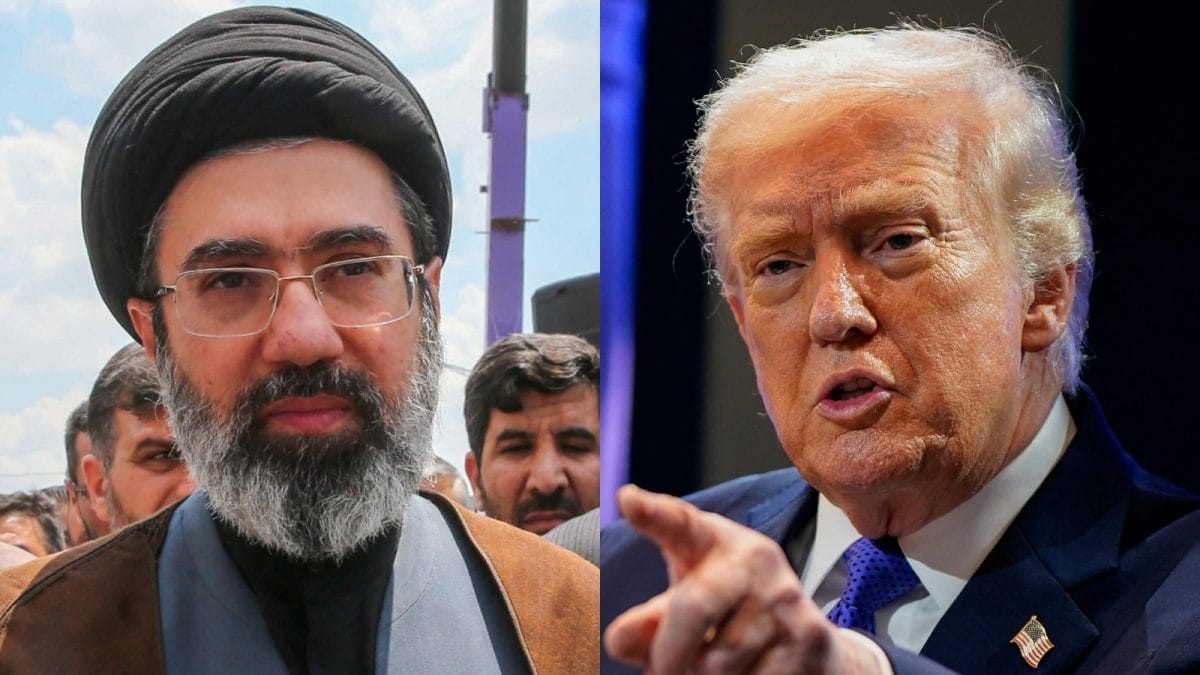
Both nations proclaim success after a hard‑fought cease‑fire, but the reality remains ambiguous.
Backdrop of the Conflict
The cessation of hostilities after two weeks of intense exchange left the international community scrambling for a clear assessment. Analysts from diverse backgrounds converge on a single conclusion: neither the United States nor Iran can be declared an unequivocal victor. Nonetheless, each side crafts a narrative of triumph that aligns with its own strategic objectives.
Understanding these narratives requires a granular look at the pillars each government uses to justify its claim. The following sections break down the logic behind the United States’ declaration of total success and Iran’s proclamation of a historic, crushing victory.
Why the United States Declares Victory
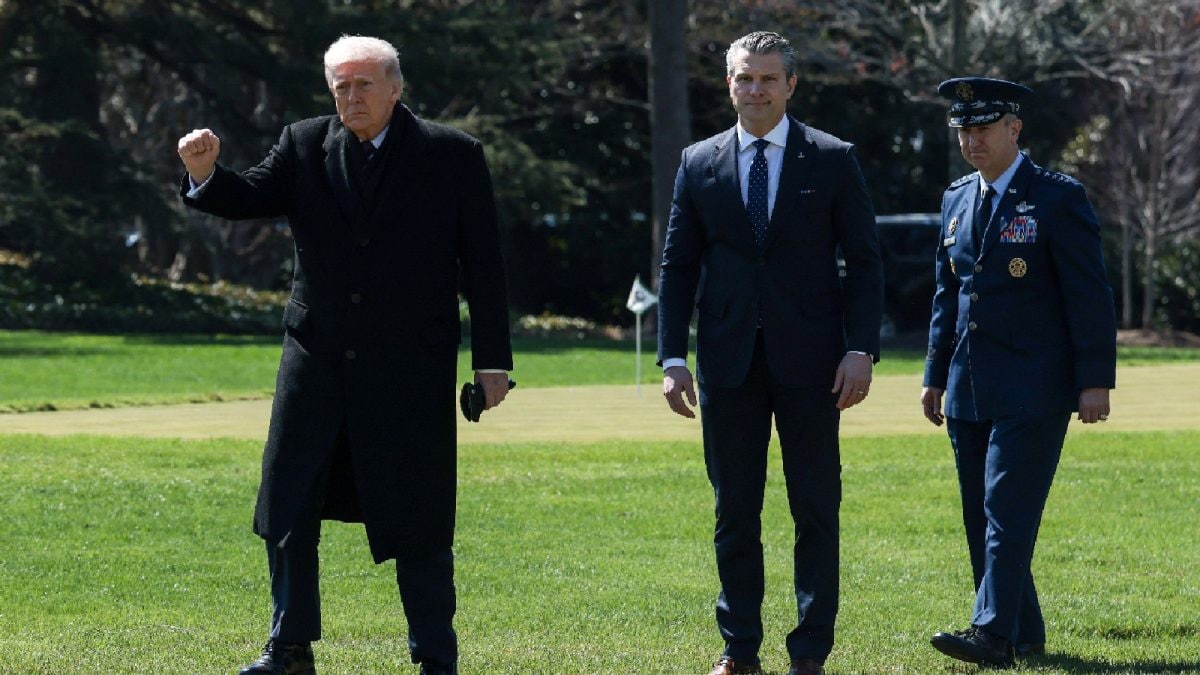
President Donald Trump, representing the United States, announced a “total and complete victory.” The United States’ narrative rests upon three interlocking themes:
- Neutralising Leadership: A coordinated United States‑Israeli strike targeted the core of the Iranian regime, resulting in the death of Supreme Leader Ali Khamenei.
- Military Dominance: Through Operation Epic Fury, the United States asserts it severely degraded Iran’s nuclear enrichment facilities and ballistic‑missile production lines.
- Forced Concessions: The United States views Iran’s acceptance of the cease‑fire and the reopening of the Strait of Hormuz as direct outcomes of relentless pressure and credible threats of total annihilation.
Each element of the United States’ claim is presented as evidence that strategic objectives have been met. By eliminating the highest political authority, the United States argues that the regime’s capacity to continue hostile operations has been crippled. Operation Epic Fury is portrayed as a decisive blow that stripped away critical nuclear and missile infrastructure, thereby limiting Iran’s long‑term threat potential. Finally, the United States emphasizes that diplomatic movement—namely the cease‑fire aGreement—was only possible because of the “maximum pressure” campaign, implying that Iran capitulated under duress.
Why Iran Declares Victory
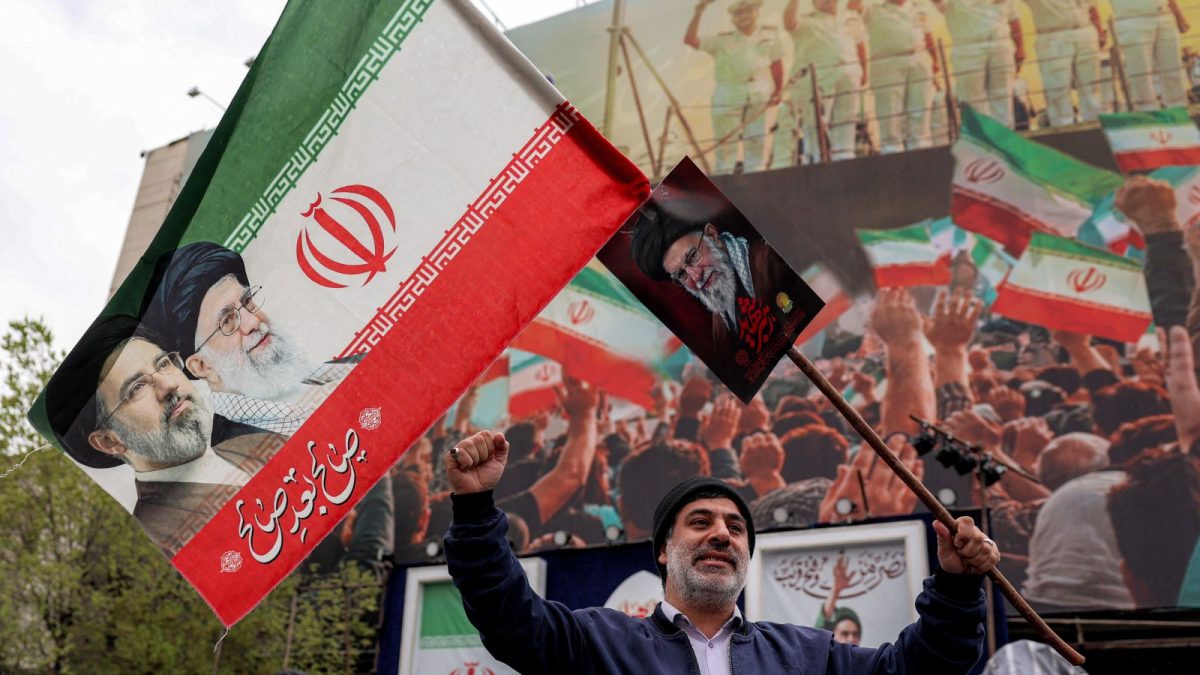
Iran, on the other hand, proclaims a “historic and crushing victory” over what it characterises as “cowardly and criminal” aggression. Iran’s self‑assessment hinges on three different criteria:
- Survival and Resilience: Despite the loss of Supreme Leader Ali Khamenei and a relentless bombardment campaign, the Iranian state avoided total collapse and retained the ability to project power across the region.
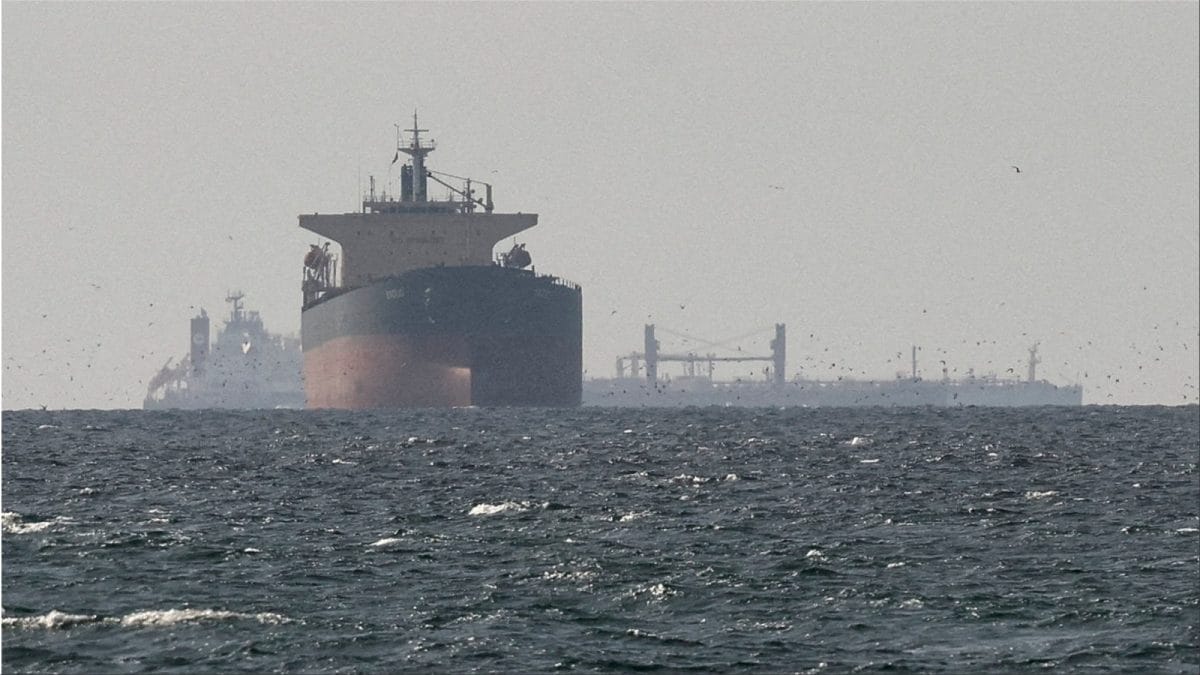
- Economic Disruption: Iran leveraged its strategic position over the Strait of Hormuz to trigger unprecedented global oil supply interruptions, which Tehran claims forced the United States to come to the negotiating table.
- Diplomatic Leverage: Tehran asserts that the United States was compelled to accept a ten‑point proposal forwarded by Iran, framing the cease‑fire as a retreat rather than a genuine peace offering.
Iran’s narrative underscores endurance in the face of overwhelming force. By keeping governmental structures intact, Iran argues that the regime’s core legitimacy remains unshaken. The economic angle highlights the power of the Strait of Hormuz as a geopolitical lever; disruptions there translated into global fuel shortages, an outcome Iran presents as a strategic win. Finally, the diplomatic component presents the United States as the party that bowed to Iranian terms, casting the cease‑fire as a concession extracted by Tehran.
Expert Assessment of the Competing Claims
Independent analysts caution that both proclamations are heavily embellished. While the United States exhibited overwhelming firepower, the campaign fell short of achieving regime change or permanently disabling Iran’s nuclear aspirations. Iran, in turn, incurred massive infrastructural damage and civilian casualties, even as it managed to keep the political apparatus functional.
Both parties emerged with significant costs. The Iranian population endured extensive destruction of urban centres, loss of life, and disruption of essential services. The United States faced erosion of trust among regional allies, heightened diplomatic tensions, and destabilisation of global energy markets. The shared consequence is a deepening stalemate, where neither side can claim an unambiguous strategic advantage.
Looking ahead, the next round of peace negotiations, slated to take place in Islamabad, will serve as a litmus test for the durability of each side’s claimed victory. Observers note that the willingness of both parties to return to the negotiating table may signal a pragmatic shift away from purely military solutions toward a more balanced diplomatic engagement.
Key Frequently Asked Questions
Who actually won the United States‑Iran conflict?
No definitive winner can be identified. The United States claims success based on damage to Iran’s military and nuclear capabilities, while Iran claims success based on regime survival, continued retaliatory capacity, and the ability to force a cease‑fire. The practical outcome aligns more closely with a stalemate than with a clear triumph for either side.
Why does the United States proclaim victory?
The United States emphasises successful airstrikes, the elimination of Supreme Leader Ali Khamenei, degradation of nuclear and missile assets through Operation Epic Fury, and the subsequent acceptance of cease‑fire terms by Iran. From the United States’ perspective, compelling Iran to negotiate represents a strategic accomplishment.
Why does Iran proclaim victory?
Iran bases its claim on the survival of the governing structure despite intense attacks, the capacity to maintain retaliatory capabilities, and the use of the Strait of Hormuz to create global oil disruptions that pressured the United States into a cease‑fire. For Iran, avoidance of total collapse constitutes a win.