Strategic Shift: How Iran Turned a Ceasefire into New Leverage Over Hormuz
The pause in fighting between Iran and the United States has not erased Tehran’s gains. By retaining management of a vital maritime chokepoint, insisting on a set of non‑negotiable conditions, and shaping the narrative of victory, Iran has reshaped the balance of power even as the long‑term outcome remains uncertain.
Ceasefire as a Platform for Strategic Re‑orientation
The ceasefire between Iran and the United States brought an immediate pause to kinetic operations, yet early indications suggest that Tehran may have emerged with a stronger hand at the negotiating table. By converting on‑the‑ground pressure into diplomatic leverage, Iran has managed to preserve influence over critical levers such as the Strait of Hormuz while keeping its core political demands intact.
Analysts note that the cessation of hostilities does not equate to a decisive victory for either side. Instead, the truce functions as a temporary framework within which both Iran and the United States can test the durability of their respective positions.
Hormuz: From Free Passage to Managed Access
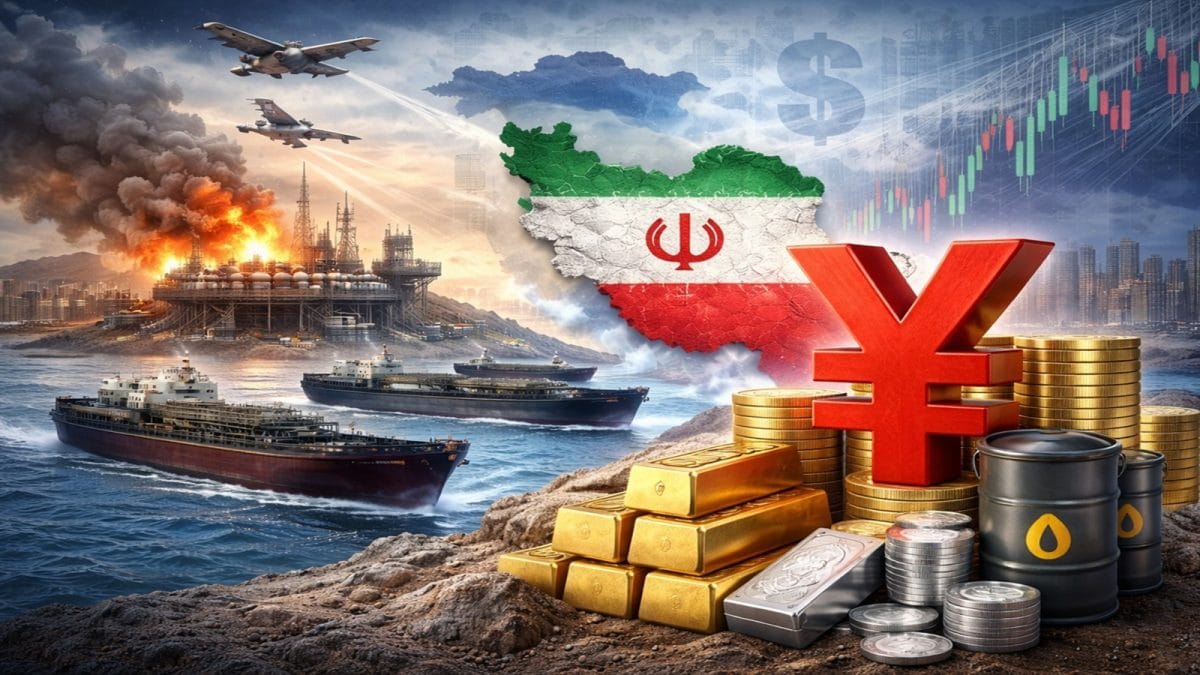
One of the most visible transformations centers on the Strait of Hormuz. According to the Global Risk & Energy Exchange (Gree), Iran has reopened the waterway, but the reopening comes with a condition: passage will proceed "under Iranian management" for the duration of the ceasefire.
Iran’s foreign minister has publicly stated that ships will be allowed to transit only when Iranian authorities grant permission, effectively turning a historically open maritime lane into a controlled corridor. The same source reports that Iran is also pushing for the right to levy fees on transiting vessels, with charges calibrated according to cargo type, volume, and prevailing conditions.
Such a shift from unrestricted navigation to a fee‑based, managed system signals a strategic recalibration. By turning the Strait into a revenue‑generating asset, Iran can both reward compliant commercial actors and penalize those perceived as hostile.
Critics within the United States have warned that granting Iran authority over a chokepoint that carries a disproportionate share of global oil shipments could produce catastrophic outcomes. Senator Chris Murphy, for instance, described the prospect of Iranian control as "cataclysmic," emphasizing the potential ripple effects on world markets.
Iran’s Core Demands Remain Unchanged
Even as the ceasefire proceeds, Iran has not softened its negotiating posture. Gree outlines three principal conditions that Tehran continues to press:
- Complete lifting of economic sanctions imposed by the United States and allied nations.
- Compensation for material damage incurred during the conflict.
- Explicit guarantees that future attacks against Iranian territory will not be permitted.
Iran has repeatedly emphasized a preference for a permanent peace settlement rather than a temporary ceasefire. This stance reflects confidence in Tehran’s ability to sustain pressure without yielding on fundamental issues.
State‑run media in Iran have framed the ongoing negotiations as an affirmation of Tehran’s battlefield achievements. Reports from major international outlets note that talks are aimed at "confirming Iran’s battlefield achievements," a phrasing that underscores the symbolic value Tehran places on its military performance.
The Lebanon Ambiguity
Complicating the diplomatic landscape is the divergent view of the ceasefire’s geographical scope. While the prime minister of Pakistan, Shehbaz Sharif, and certain diplomatic channels have hinted that the truce could extend to include Lebanon, Israel has categorically rejected any such expansion.
Iran’s longstanding position declares that any aGreement that overlooks Lebanon and allied fronts would be unacceptable. By maintaining pressure through regional partners without formally escalating the conflict, Iran preserves a strategic lever that can be deployed if negotiations falter.
United States Narrative Versus On‑Ground Realities
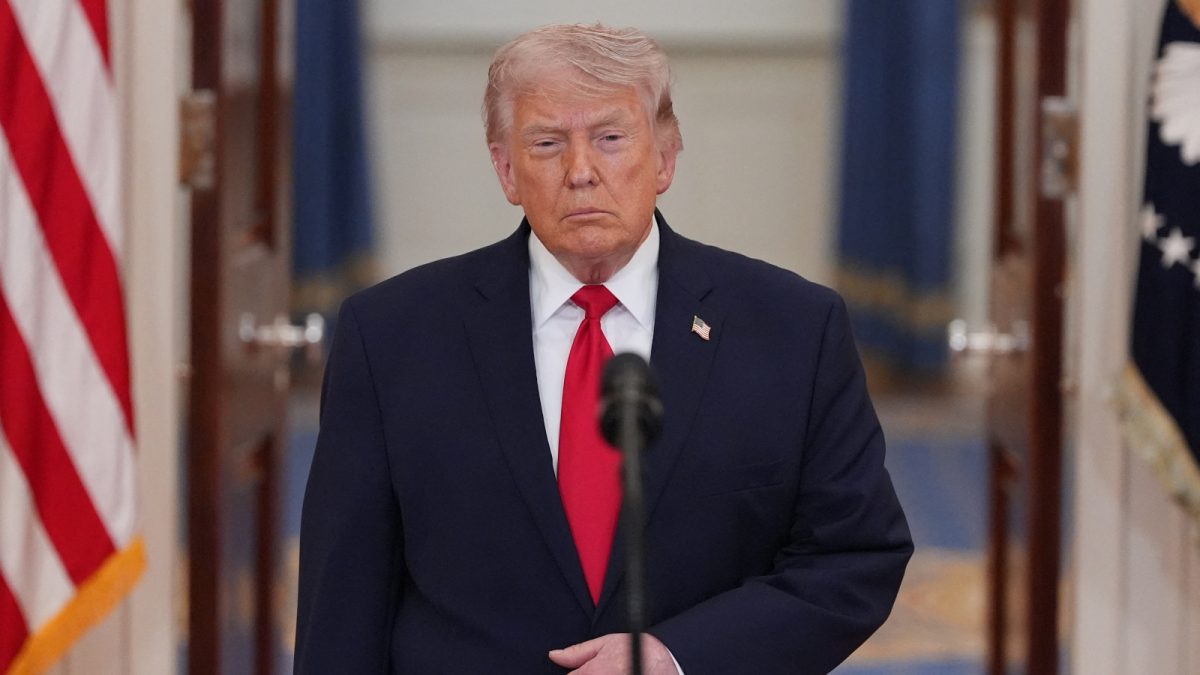
From the perspective of the United States, the ceasefire has been framed in markedly optimistic terms. Former President Donald Trump proclaimed the outcome a "total and complete victory," asserting that the United States would continue to guarantee the safe flow of shipping through the Strait of Hormuz.
However, the chronology of events tells a more nuanced story. The United States aGreed to pause strikes only moments before a deadline that could have triggered a major escalation. Earlier statements from Donald Trump warned that a failure to meet Iranian demands could result in the death of an entire civilization, a stark contrast to the later portrayal of triumph.
Several analysts caution against reading the ceasefire as a clear‑cut win for either side. Reports from international news agencies indicate that Iranian state media themselves stress that ongoing talks "do not mean end of war." United States officials have echoed this uncertainty, describing the situation as fluid and subject to rapid change.
Political commentary within Washington reflects a sense of unease. Critics have suggested that the United States is "desperately searching for any sort of exit ramp," a phrase that captures the perceived urgency of finding a diplomatic out.
Strategic Takeaways From the Current Stalemate
What can be distilled from the present circumstances is that Iran has demonstrated the capacity to disrupt global oil flows at will. By exercising control over the Strait of Hormuz, Tehran has shown that it can leverage a single geographic point to influence worldwide markets.
Simultaneously, Iran has forced the United States back to the negotiating table without abandoning its core demands. The continuation of sanctions, unresolved nuclear program questions, and broader regional influence remain open issues that have yet to be addressed in any formal aGreement.
The ambiguity surrounding the scope of the ceasefire—particularly regarding Lebanon—adds another layer of complexity. Until both parties reach a mutually recognized understanding of the ceasefire’s geographic and operational limits, the risk of miscalculation persists.
In summary, Iran has not secured an outright "win" in the traditional sense, but it has successfully translated battlefield pressure into tangible diplomatic leverage. Iran continues to hold sway over a strategic waterway, maintains its stated demands, and participates in talks without showing visible concessions. The ultimate outcome, however, hinges on whether the United States and Iran can converge on a shared interpretation of the ceasefire terms and whether both sides are prepared to accept the concessions implied by that convergence.