Why I Went Back to the Matka During This Summer
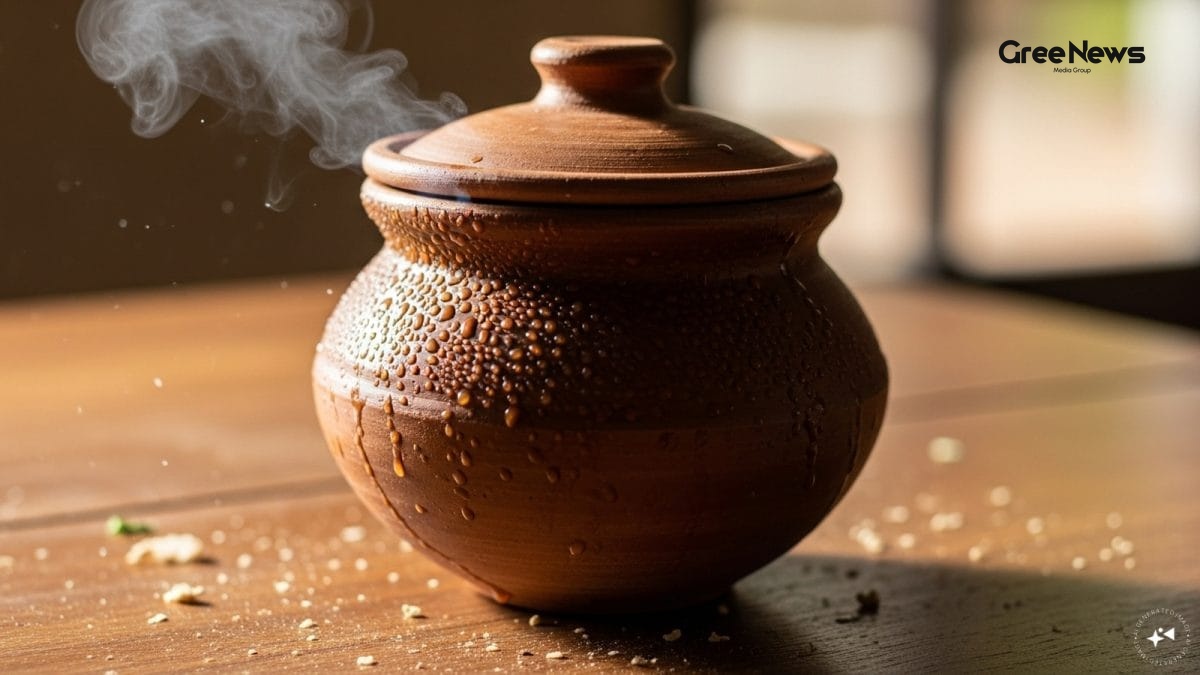
Honestly, I never thought I’d be writing about a clay pot in 2026, but the heatwave that hit my hometown made me nostalgic for the old ways. You know, the kind of heat where even the city’s air‑conditioned rooms feel like ovens? I tried fridge‑chilled bottles, but they quickly lost their chill once I stepped out for a quick errand. That’s when my aunt reminded me of the matka she used to keep in her kitchen. It’s a simple earthen vessel, usually called a matka in Hindi, and the moment I filled it with water and left it on the balcony, I felt a small, hopeful breeze. The next few hours proved it wasn’t just nostalgia the water stayed noticeably cooler, almost as if it was “breaking news” in the world of summer hydration.
The Science Behind the Coolness Not Just Magic
Let me explain a bit, because I think many people assume it’s just a myth. Earthen pots are porous the tiny holes let water seep through the walls slowly. As the water evaporates from the outer surface, it draws heat away from the remaining water inside. This process, called evaporative cooling, is the same principle that keeps you comfortable when a moist wind blows over your skin. In most Indian households, especially in rural areas, this method has been used for centuries. It’s a kind of trending news India when you hear neighbours proudly telling the story of “my water stays cool all day”. The physics is simple, but the results feel almost viral when you actually taste that chill on a sweltering afternoon.
Step‑by‑Step Guide I Followed
Below is the exact routine I started using every morning. Feel free to tweak it, but the core ideas stayed the same for me:
- Pick the right matka: I chose a medium‑size clay pot, about 8‑10 liters, with a wide mouth and a tight‑fitting lid. The lid is important it slows down the evaporation rate so the water doesn’t get too low.
- Rinse thoroughly: A quick rinse with clean water removes any dust from the pot’s surface. I used a mild lemon juice solution because it also helps remove any lingering mineral deposits.
- Soak the pot: Before filling it, I soaked the matka in water for about 30 minutes. This primes the pores, making the later evaporation smoother.
- Fill with fresh water: After soaking, I poured in fresh drinking water, leaving about an inch of space at the top.
- Position it wisely: I placed the matka on a shaded balcony, not directly under the sun. A little breeze from the street helped the outer surface dry faster.
- Add a pinch of salt (optional): Some of my neighbours swear by adding a pinch of salt to the water. The salt increases the water's conductivity, enhancing the evaporation effect. I tried it and noticed a tiny extra drop in temperature.
What happened next was interesting after about two hours, the water felt almost as cold as the fridge‑chilled bottles I used earlier. That caught people’s attention, and soon my whole lane was curious about the trick.
Common Mistakes and How I Fixed Them
During the first few tries, I made a couple of rookie errors that almost ruined the whole experiment. First, I placed the matka directly on a metal balcony rail, which heated up quickly under the sun. The water actually became warmer than before. The second mistake was forgetting to close the lid properly, which let too much moisture escape, drying the water out faster than I wanted. After noticing these issues, I switched to a wooden stand and made sure the lid clicked shut every time. These simple tweaks turned the whole experience from a flop into a small, personal victory definitely a piece of viral news among my friends.
How the Matka Beats Modern Cooling Devices
One might wonder why bother with a clay pot when you have cheap coolers and bottled water. For me, the answer lies in cost and sustainability. A good matka costs less than a handful of rupees, and there’s no electricity bill attached. Plus, the water stays cool for up to 12 hours if the conditions are right, which is more than enough to get you through a typical workday. In many Indian families, the matka also doubles as a decorative piece it adds a rustic charm that many modern gadgets lack. It’s also a story that often pops up in latest news India sections dealing with eco‑friendly living.
Personal Anecdotes: Sharing the Chill with Neighbours
One evening, my neighbour Ramesh knocked on my door, asking why my kids were so energetic after school. Turns out, they were drinking the cool matka water during their break. He was so impressed that he asked me to teach him the whole process. We spent an hour together, and he even filmed a short video that later went viral on local community groups people were genuinely surprised that such a low‑tech method worked so well. This small exchange turned into a whole trending news India thread on WhatsApp, with dozens of households trying it out.
Keeping the Matka Clean My Routine
Maintaining the matka is easy, but I’ve found a couple of habits that ensure the water stays fresh and tastes good. Every week, I scrub the interior with a soft brush and mild soap, then rinse it thoroughly. I also let it dry completely under the shade before refilling this prevents any mould growth. For those who live in humid coastal areas, I add a thin layer of rice husk at the bottom; it absorbs excess moisture and keeps the water from turning sour. These tiny steps made my experience smoother, and I even got a few compliments about the “pure” taste when I served it to guests.
When the Weather Gets Extra Hot Extra Tips
If the mercury climbs higher than usual, the matka alone may struggle a bit. Here’s what I do: I wrap a wet cloth around the outer surface of the pot, securing it with a rope. The extra moisture boosts the evaporative cooling, and the water inside stays colder for longer. Another trick is to place a shallow tray of water beneath the matka; as the water in the tray evaporates, it creates a micro‑climate that complements the pot’s cooling effect. These hacks are especially useful during heatwaves and have become part of my personal “go‑to” list for staying refreshed.
The Cultural Angle Why Matkas Still Matter
Beyond the practicality, the matka holds a special place in Indian households. In many villages, you’ll still see women dancing around the matka during festivals, offering it as a symbol of purity and abundance. Even in urban apartments, the presence of a matka can remind us of simpler times when natural resources were used wisely. This cultural resonance often makes stories about matka cooling appear in India updates and community blogs, where readers love a blend of tradition and modern relevance.
What the Internet Says A Quick Scan of Opinions
I spent a couple of evenings scrolling through forums and social media. Most comments echoed my experience: “My water stays cool for 8‑10 hours!”, “I’ve stopped using the fridge for water completely”, and “Such a low‑cost hack, thank you!”. Some skeptics pointed out that the method works best in dry climates, but even they admitted that with a few adjustments (like the wet cloth trick) the matka could still be useful. This mixture of praise and constructive criticism has turned the simple tip into a piece of breaking news within our circle of friends.
Final Thoughts My Verdict
All in all, using a traditional matka to keep water cool in summer turned out to be more than just a nostalgic experiment. It’s a practical, affordable solution that aligns with sustainable living, and it’s surprisingly effective. If you’re struggling with warm water, give this method a shot you might just become the person who starts the next local viral news story about beating the heat the natural way. And who knows? Maybe your own neighbours will thank you for sharing a piece of heritage that still works wonders today.