How I Stumbled Upon the Debate
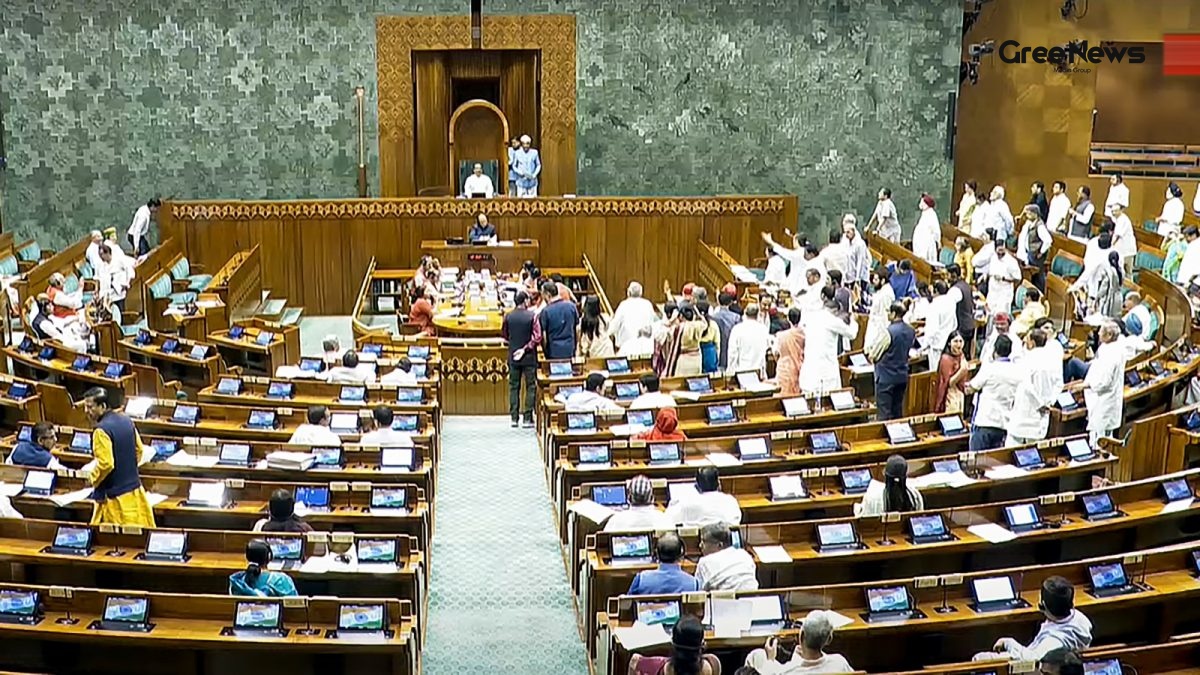
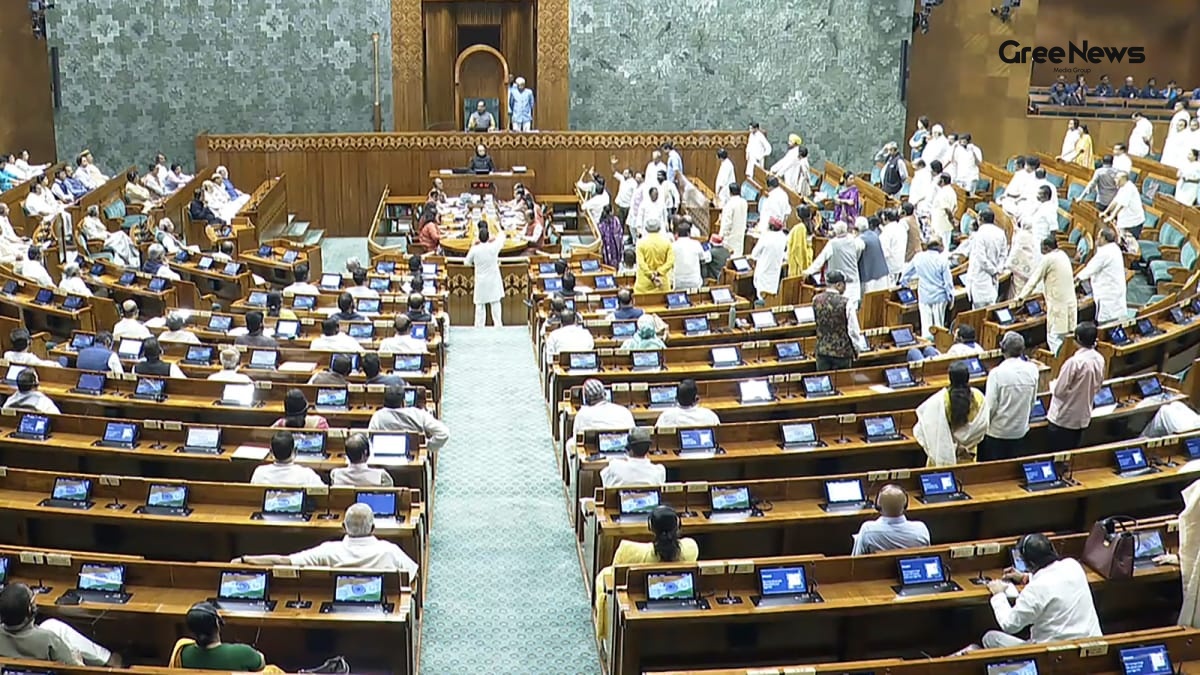
Honestly, I was just sipping my chai in the living room when the TV flashed the breaking news about another parliamentary session. You know how the news channels in India love to blast the latest updates, especially when there’s a heads‑up about a “women’s quota bill”. My curiosity got the best of me, so I flipped to the live feed. As the camera cut to the Lok Sabha, I could feel the tension in the air it was like watching a cricket final where every over could change the game's outcome.
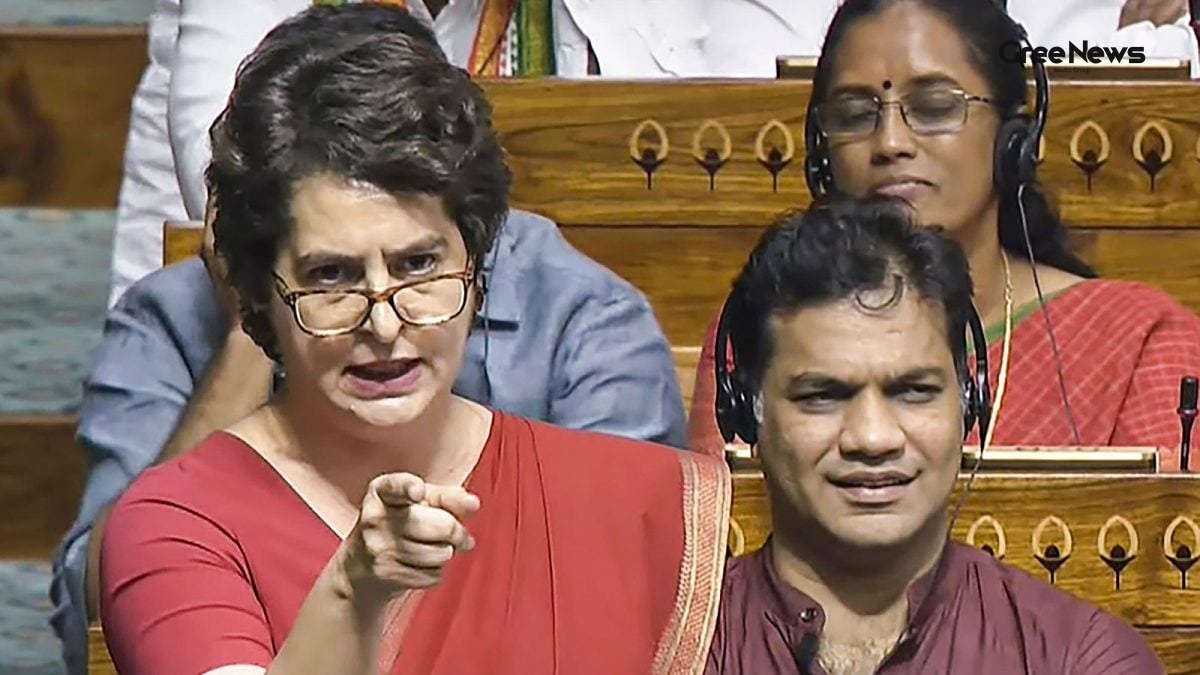
What caught my attention next was not the Prime Minister’s speech, but the fierce response from Congress MP Priyanka Gandhi. She wasn’t just giving a polite rebuttal; she was practically shouting, “this has nothing to do with women!” That line stuck with me, and I realized I had to dig deeper to understand why a women’s reservation bill could spark such a reaction.
Setting the Stage: Women’s Reservation in Indian Politics
Before jumping into Priyanka Gandhi’s remarks, let’s recap why women’s reservation is a hot topic in Indian politics. The idea of earmarking seats for women in Parliament and state legislatures has been floating around for decades. The Constitution already guarantees a 33 per cent reservation for women in local bodies, and many states have adopted similar measures at the grassroots level.
However, when it comes to the national and state assemblies, the proposal has stumbled repeatedly. Various bills were introduced, but they never made it past the parliamentary committee stage. So, when the government finally revived the conversation, it felt like a major moment something that would dominate trending news India for weeks.
Now, imagine being a young woman in a small town, hearing on the radio that a bill might finally give her a chance to contest elections without facing the usual patriarchal barriers. That’s the kind of hopeful vibe that surrounds any discussion about women’s quota.
What Priyanka Gandhi Actually Said
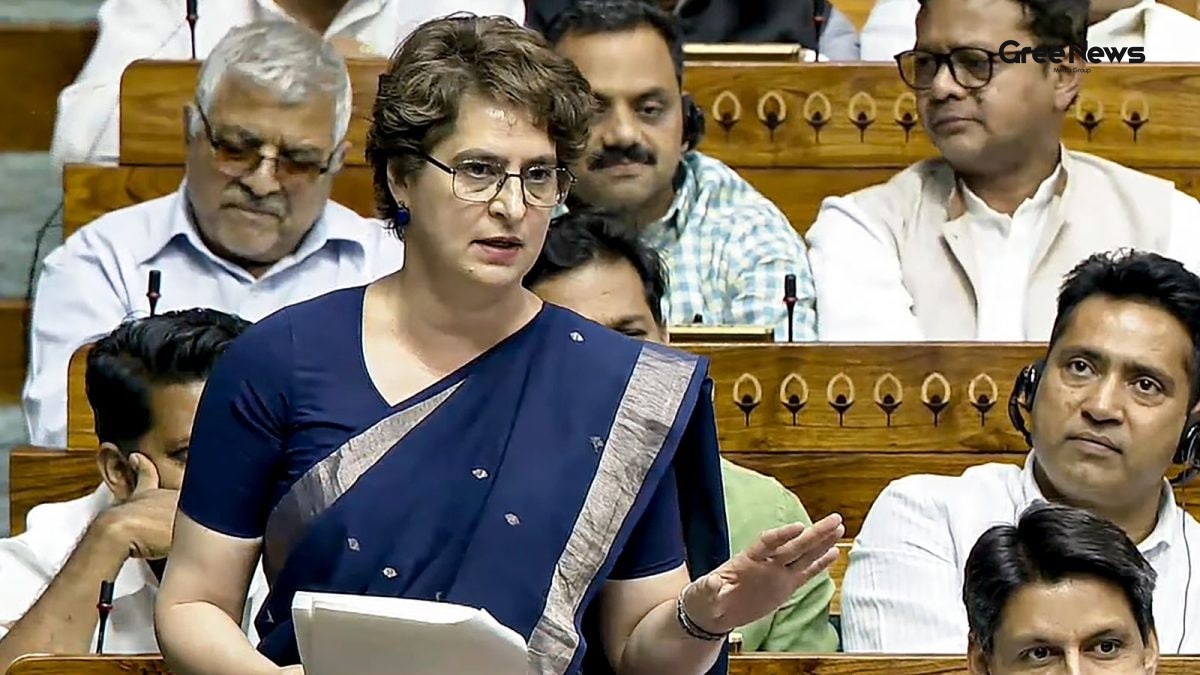
During the special session, Priyanka Gandhi made a series of points that, at first glance, might sound a bit confusing. She started by reaffirming that the Congress party stands firmly behind women’s reservation a stance that aligns with the public sentiment and the party’s historical commitments.
Then she dropped the line that surprised many: “In reality, this legislation has nothing to do with women.” She went on to explain that the bill, as drafted, seemingly uses the women’s reservation issue as a veil to undermine the rights of the Other Backward Classes (OBC). She accused the Centre of refusing to conduct a fresh caste census, thereby clinging to the 2011 census figures, which, in her view, marginalises OBC communities.
She warned, “If this bill is passed then democracy will be finished in the country.” That statement, delivered in a parliamentary setting, instantly turned the conversation into viral news, sparking endless debates on social media platforms.
Why the OBC Angle Matters
If you’ve followed the caste census saga, you know it’s been a contentious issue for years. The OBC community, which makes up a significant portion of India’s population, has long argued that the outdated 2011 data no longer reflects the true demographic distribution. Without an updated count, they fear that reservation quotas could be skewed, denying them the share they rightly deserve.
Priyanka Gandhi’s claim essentially ties the women’s quota bill to this larger battle. She suggests that by pushing a bill that looks women‑focused, the government is actually sidestepping the core demand for a fresh caste census, thereby protecting its own political calculations.
In the eyes of many OBC leaders, this looks like a classic political move where a policy that appears inclusive on the surface is used to preserve the status‑quo for other groups. That’s why the statement resonated so strongly in many parts of the country, turning what could have been a straightforward policy discussion into a multi‑layered controversy.
My Personal Take: The Intersection of Gender and Caste
As someone who grew up watching both gender‑based and caste‑based movements, I can tell you that the two issues rarely exist in isolation. In my neighbourhood, we have women leaders from OBC backgrounds who fight for both gender equality and community rights. So, when I heard Priyanka Gandhi’s remarks, it felt like she was highlighting a genuine intersectional problem.
That said, the way the statement was delivered with a dramatic flair that made it sound like a rallying cry also reminded me of the political theatre that often accompanies Indian parliamentary debates. It’s a mix of genuine concern and strategic positioning, a blend you see in many breaking news stories about parliamentary tussles.
What’s interesting is that this debate is not just confined to the corridors of power. On the streets, shop owners, college students, and housewives are all chatting about it. The conversation has become part of the daily make‑a‑curry‑and‑watch‑TV routine, shaping the narratives that travel from Delhi to small towns in Maharashtra and Tamil Nadu.
How the Media Covered It A Snapshot of Trending News India
Within minutes of Priyanka Gandhi’s speech, the news cycle was flooded with headlines. Some channels ran the story under the banner “Priyanka Gandhi slams women’s quota bill as anti‑OBC”, while others used more neutral phrasing like “Congress MP raises concerns over women’s reservation”. The divergence in coverage itself became a point of discussion, highlighting how the same set of facts can be spun in multiple ways.
On social media, the clip of her speech went viral, with countless memes, short videos, and commentary threads emerging on platforms like Twitter, Instagram, and WhatsApp. Many users used hashtags such as #WomenReservation, #OBCRights, and #DemocracyInDanger, turning the parliamentary dialogue into a digital storm that kept India updates buzzing for days.
Even the comment sections of news portals turned into mini‑forums where ordinary citizens debated the merits of the bill and the authenticity of Priyanka Gandhi’s claims. This kind of user‑generated discourse is exactly the type of engagement that search engines love, especially when it adds depth to the original coverage.
The Political Calculus Behind the Bill
Political analysts argue that the Centre’s decision to push a women’s reservation bill at this juncture is no coincidence. With elections looming, any move that appears to champion women’s empowerment can earn the party valuable votes from women across the country. But, as Priyanka Gandhi highlighted, the timing also coincides with mounting pressure from OBC leaders demanding a new caste census.
By framing the bill as a women‑focused initiative, the government might be hoping to divert attention away from the OBC grievance, effectively using the gender agenda as a smokescreen. This strategic layering is a classic example of Indian political maneuvering, where multiple issues are intertwined to create a win‑win narrative for the ruling party at least on the surface.
What’s more, the opposition’s role especially that of the Congress is to spotlight any perceived inconsistencies. Priyanka Gandhi’s statement does exactly that, turning the legislative proposal into a broader challenge about identity politics, representation, and the health of India’s democracy.
Public Reaction: From the Streets to the Online World
In the bustling markets of Delhi, a group of vendors were seen discussing the news while waiting for their tea. One of them, a young woman from an OBC background, said, “If the bill only helps women who already have power, then it’s not for us. We need a real census first.” Her comment echoed the sentiment expressed by many across the country.
In smaller towns, the conversation often merged with everyday concerns like the rising price of onions or the upcoming monsoon. Yet, the women’s quota bill still made its way into these dialogues, proving how a single piece of legislation can become part of the fabric of daily life.
Online, the debate took on a more polarized tone. Supporters of the bill emphasized the need for immediate action on women’s representation, while critics aligned with Priyanka Gandhi’s viewpoint highlighted the risk of sidelining OBC rights. The discussion has become one of the most shared viral news stories of the week, with many users reposting snippets of the speech and adding their own annotations.
Legal and Constitutional Implications
From a legal standpoint, the Constitution already mandates that any amendment affecting reservation must be preceded by a census. That’s why the demand for a fresh caste census is not merely a political ask but a constitutional prerequisite. If the government proceeds without it, the bill could face challenges in the Supreme Court.
Priyanka Gandhi’s warning that democracy could be “finished” can be read as a caution about the erosion of constitutional safeguards. In most cases, Indian courts have acted as a check on major legislative overreach, but the political climate can sometimes influence how quickly such challenges are raised.
The situation also opens up a broader conversation about how parliamentary procedures adapt to changing social realities. The ongoing debate forces us to ask whether the current legislative framework is flexible enough to accommodate both gender and caste representation simultaneously.
What Might Happen Next?
Looking ahead, there are a few possible scenarios. The government could amend the bill to explicitly address OBC concerns, perhaps by linking women’s reservation quotas to the outcomes of a fresh census. Alternatively, the opposition might continue to push for a separate OBC‑focused bill, keeping the two issues distinct.
Another possibility is that the bill stalls in the parliamentary committee, as many similar proposals have in the past. If that happens, the topic would likely keep resurfacing in the media, especially during election season, feeding the next wave of viral news.
One thing is certain: the conversation has already entered the public consciousness, and any further development will be closely watched by citizens, journalists, and policy‑makers alike.
My Closing Thoughts A Lesson in Democratic Dialogue
Having followed this saga from my balcony, sipping masala chai, I’ve realized that the real story isn’t just about a bill. It’s about how a diverse democracy negotiates multiple identities gender, caste, region in a single legislative arena. Priyanka Gandhi’s bold remarks reminded me that in India, policy discussions are rarely one‑dimensional.
Whenever I hear a political leader speak, I now ask myself: whose voices are being amplified, and whose are being muted? That curiosity keeps me tuned in to the latest news India, and it’s what makes democratic discourse vibrant, even when it feels chaotic.
So, whether you’re a student, a homemaker, a small‑business owner, or a policy‑enthusiast, this debate is a chance to engage, question, and perhaps even shape the future of Indian democracy.