Why I Started Paying Attention to the Delimitation Bills
Honestly, I was scrolling through my phone this morning, checking the breaking news feed, when a headline about a massive reshuffle of Lok Sabha seats caught my eye. It wasn't just another political rumour the article talked about expanding the House from 550 to a whopping 850 members. That’s a 50% jump! I thought, "What does this mean for the next election?" and decided to dig deeper.
What I discovered was a whole package of bills the Constitution (131st Amendment) Bill, the Delimitation Bill, and the Union Territories Laws (Amendment) Bill all bundled together and presented as a way to speed up women’s reservation and avoid waiting for the 2027 Census. The whole thing feels like a major pivot in the way we do Indian politics.
The Core Idea: Using the 2011 Census Instead of Waiting for New Data
Before these bills, the law said that any change in the size of the Lok Sabha or the reservation for women would have to wait for the first census after 2023. That meant the 2029 general election would likely be fought on old numbers, which many experts thought was unfair.
Now, the government is saying, "Let's use the 2011 Census as our baseline." This is a big deal because it instantly unlocks the one‑third quota for women, allowing it to be implemented in the upcoming elections rather than being postponed for a decade.
It’s also a move that makes a lot of sense if you think about the practicalities. The census process in India is massive you need months of planning, massive manpower, and a lot of money. By using the 2011 data, the Parliament can bypass those delays, and we get to see the impact of women’s reservation much sooner.
Many people were surprised by this especially those who thought the constitutional requirement was set in stone. As the PRS Legislative Research study points out, a simple majority in Parliament can now decide both the timing of future delimitations and which census will be used. It adds flexibility, but it also removes the certainty of using the latest demographic data.
From 550 to 850 Seats: What It Means for Different States
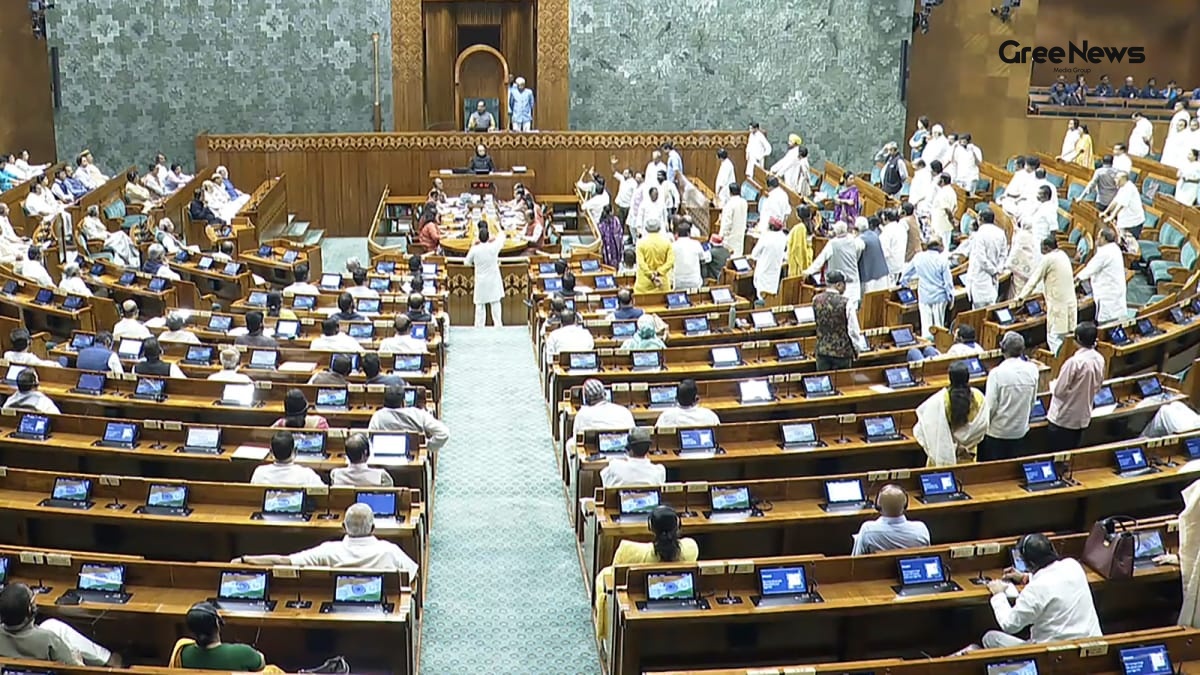
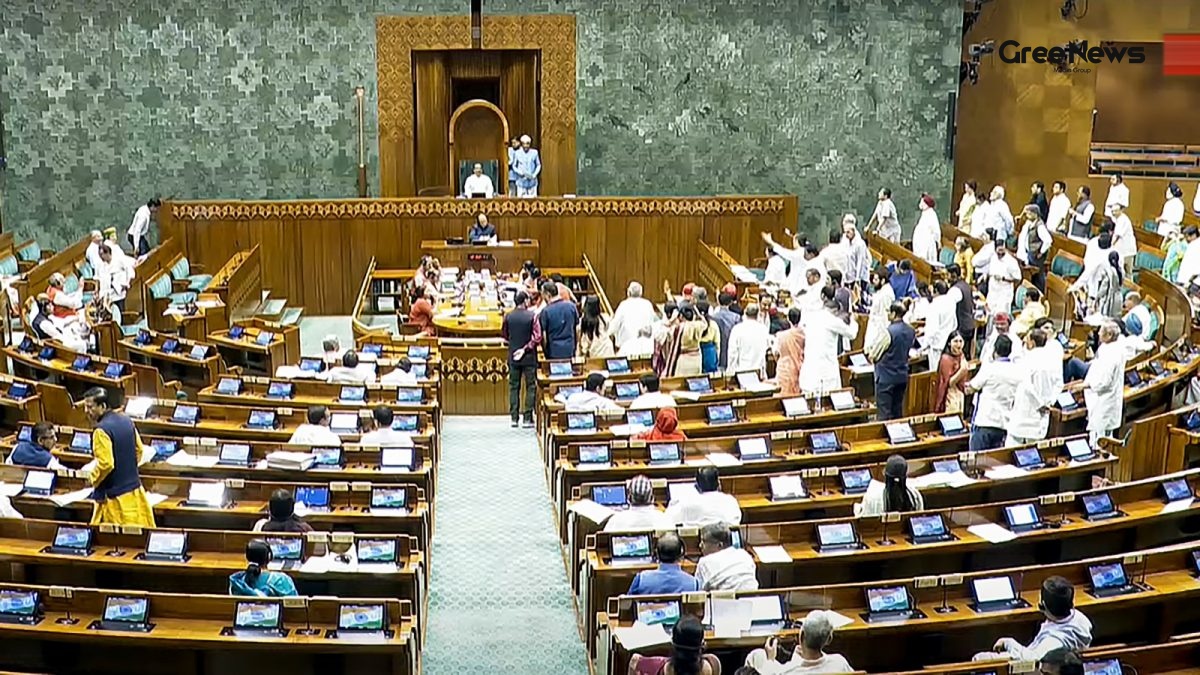
One of the most eye‑catching parts of the reform is the expansion of the Lok Sabha’s maximum strength to 850 members. The idea behind this is to bring back proportional representation each state’s share of seats should more closely match its actual population.
Now, let’s talk about how this shift will affect the states we all know and love. Because the baseline is the 2011 Census, the high‑growth northern states like Uttar Pradesh, Bihar, and Madhya Pradesh are set to gain a lot of seats. In simple terms, they’ll have more representatives in Parliament, which could translate into more influence over national policy.
On the other hand, southern states such as Tamil Nadu, Kerala, and Karnataka which have been quite successful with family planning and population control may see a relative decline in their seat share. That doesn’t mean they lose seats absolutely, but compared to the north they’ll command a smaller slice of the House.
This geographical reshuffle could change the political calculus during elections. Parties will have to rethink their campaign strategies, focusing more resources on states that are gaining seats. It also explains why you’re seeing a lot of trending news India articles about regional leaders preparing for a new kind of power balance.
What happened next is interesting: several state politicians started reaching out to their allies in Delhi, trying to secure early promises about constituency boundaries. It feels like a high‑stakes game of musical chairs, and the stakes are huge because each seat translates to a vote in the Centre.
Rajya Sabha Remains Frozen Why That’s a Big Deal
While the Lok Sabha expands dramatically, the Rajya Sabha stays stuck at 250 members. This creates a new constitutional ratio: from roughly 2.2:1 the balance shifts to about 3.3:1 in favour of the Lower House. In plain words, the Upper House’s voice gets quieter during joint sittings and even during the presidential and vice‑presidential elections.
People who follow the legislative process know this could tip the scales on many bills, especially those that need both houses to aGree. The PRS analysis notes that the disparity could dilute the Rajya Sabha’s negotiating power, potentially making it harder for smaller parties and regional interests to influence legislation.
For a typical citizen like me, it feels a bit unsettling because the Rajya Sabha has often acted as a moderating force, representing states rather than just population numbers. If its influence wanes, the overall balance of federalism could shift dramatically.
This is one of those pieces of viral news that keeps cropping up on social media, especially among political commentators who worry about an overly majoritarian Lok Sabha.
Cabinet Size: From 81 to Potentially 122 Ministers?
Another ripple effect of a bigger Lok Sabha is the possible increase in the size of the Council of Ministers. The Constitution currently caps the number of ministers at 15% of the total strength of the Lok Sabha. With 850 members, that ceiling rises from 81 to about 122.
Now, I’m not sure whether we want a cabinet that large. On one hand, more ministers could mean better representation of diverse regions and communities. On the other hand, there are genuine concerns about administrative efficiency a huge cabinet can become unwieldy, leading to overlapping responsibilities and slower decision‑making.
Many political analysts have already started debating this on TV debates and podcasts. The conversation often circles back to the classic “quality vs. quantity” dilemma, and whether we can sustain effective governance with such a massive ministerial team.
Interestingly, the PRS research highlights that this could revive old fears from the 1990s when cabinets reached double digits and were criticised for being bloated. It’s a classic case of “the more the merrier” that might not always hold true in governance.
How Delimitation Will Actually Work Now
The bills also bring a fresh approach to how delimitation the process of redrawing constituency boundaries is triggered. Instead of a fixed constitutional schedule (every few decades), Parliament now gets the authority to decide, by a simple majority, when the next delimitation will happen and which census data to use.
This gives the executive a lot more flexibility, which can be a double‑edged sword. On the plus side, if there’s a sudden demographic shift say, a massive migration from rural to urban areas the government can act quickly to reflect those changes in the map.
But the downside is that it removes the predictability that used to come with the constitutional timetable. Some critics argue that this could be misused for political gain, especially if a ruling party wants to redraw boundaries at a time that benefits them electorally.
From a citizen’s perspective, the key thing to watch out for is transparency. The Delimitation Commission, which will now sketch out 850 constituencies, needs to be as open as possible publishing drafts, taking public feedback, and ensuring that the process isn’t just a back‑room deal.
Many of my friends who are into civic activism have already started online petitions, urging the commission to hold public hearings in every state. It’s a sign that the public is genuinely interested, which is a good sign for a healthy democracy.
What This Means for the Average Voter
All these numbers and constitutional tweaks might sound like stuff for policy wonks, but they have real consequences for everyday people. With more seats, the average number of voters per constituency will drop. That could mean you get a MP who is more reachable, someone who actually knows the street‑level problems of your neighbourhood.
Think about it: right now, a Lok Sabha seat can represent over two million people in densely populated areas. If that number falls, you might finally get a chance to meet your MP at a local event or get a response to a grievance faster.
On the flip side, a larger House could also mean longer debate times before bills are passed, because more voices need to be heard. It could slow down some legislation, which could be a good thing (more scrutiny) or a bad thing (delays in important reforms).
One of my neighbours, a school teacher, joked that with 850 MPs, even the teacher‑training committees might get a seat! It’s a bit of humour, but it also shows how people are processing the sheer scale of the change.
Looking Ahead: Potential Challenges and Opportunities
So, what’s the outlook? The bills certainly open up a world of possibilities. They could make representation fairer, give women a stronger foothold in Parliament, and bring fresh faces into the legislative arena.
But they also raise questions about federal balance, cabinet efficiency, and the transparency of delimitation. The fact that the PRS study flags these concerns means that civil society, media, and political opponents will keep a close eye on how the government implements the changes.
What people didn’t expect, and what many are now asking, is: will the larger Lok Sabha actually function effectively, or will it become a noisy hall where meaningful debate gets lost? The answer will probably lie in how party leaders manage internal discipline and how the Speaker structures the proceedings.
From my point of view, the best way to stay informed is to keep following the latest news India feeds, watch the parliamentary debates when they’re streamed online, and maybe even talk to your local representatives about what they think of the new seat allocations.
One thing’s for sure this reform is the kind of breaking news that will keep the political conversation alive for months, if not years. So stay curious, stay engaged, and let’s see where this massive reshuffle takes us.