What sparked the ‘friend’ comment?
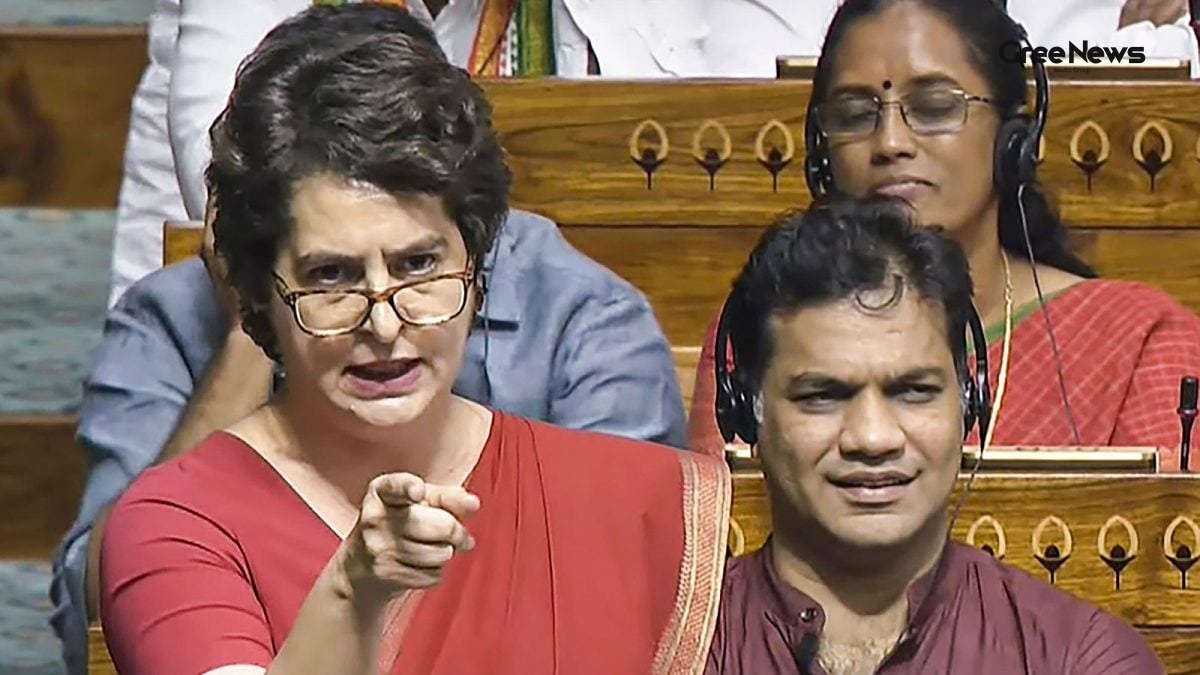
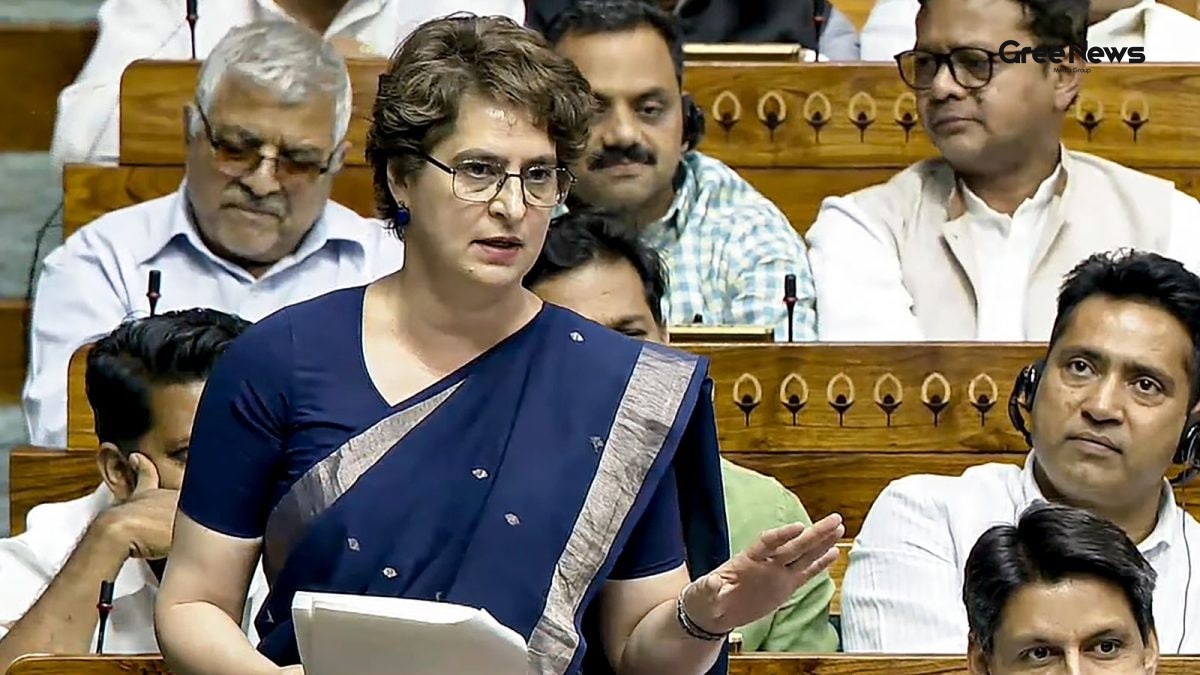
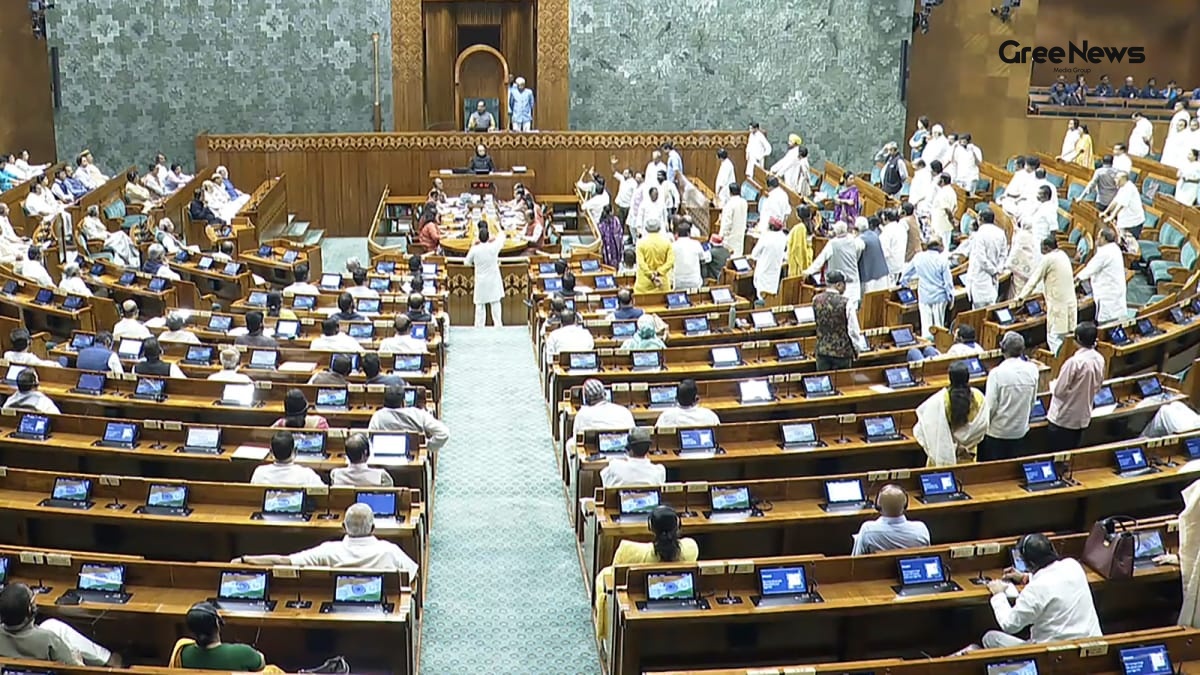
Honestly, when I first heard the Prime Minister say “Akhilesh Yadav is my friend, sometimes he gives support”, I was taken aback. In most of the latest news India I follow, you rarely hear such personal language inside the hallowed walls of Parliament. But the show was clearly staged a bit of political theatre to disarm the opposition before he launched into the big push for the Constitution (131st Amendment) Bill. It wasn’t a shout‑out from the heart; it was a calculated move to make the discussion about the 850‑seat Lok Sabha expansion feel less confrontational.
What’s interesting is that this tiny remark has become viral news across social media platforms. People are sharing clips with the caption “Modi’s friend tease”, and even the most serious breaking news portals have highlighted this as the moment that set the tone for the whole session.
Why the 850‑Seat Plan matters so much
Let’s break it down like we would over a cup of chai. The government wants to expand the Lok Sabha from 543 to 850 seats that’s an addition of 307 seats, a whopping 56% increase. The big promise here is to make representation more proportional, especially for states that feel short‑changed by the current delimitation freeze.
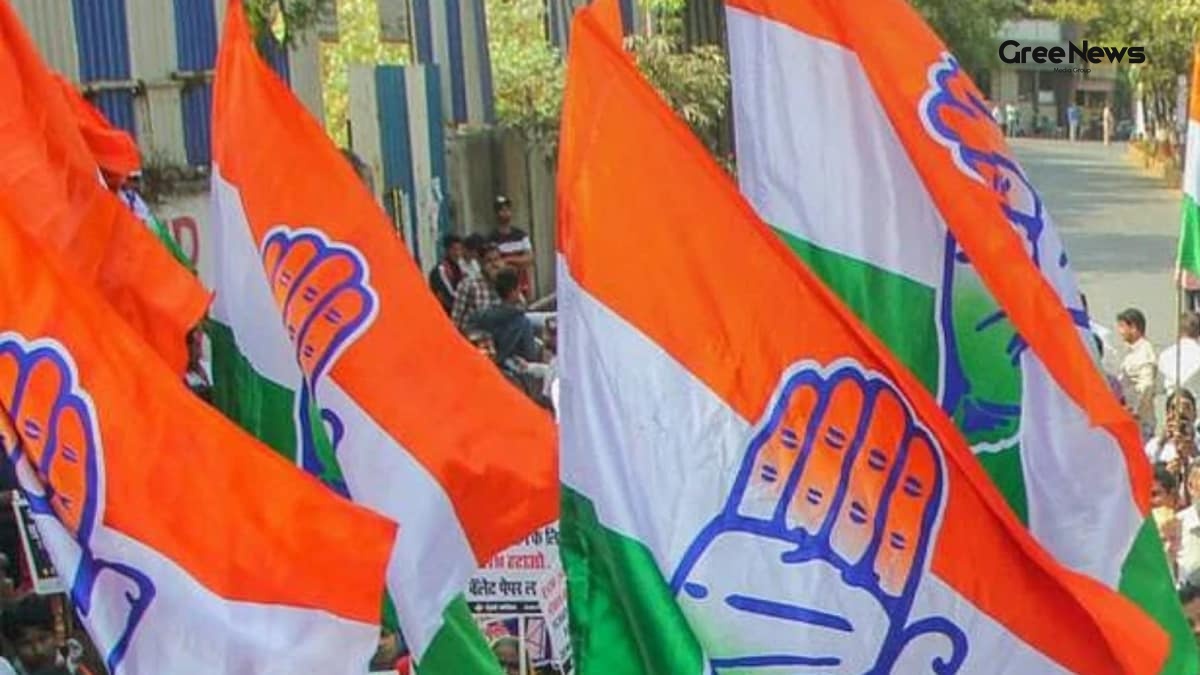
In most cases, the new model is pro‑rata: every state gets extra seats based on its population growth, so nobody loses anything. It sounds fair on paper, but critics argue that it could still tilt power towards the Hindi‑heartland in the long run. That’s why the opposition, especially the INDIA bloc made up of Congress, DMK and Samajwadi Party, is keeping a close eye on the details. Their fear is that the expansion could be used as a subtle form of gerrymandering.
This fight over seats has become trending news India because it ties directly to the next general election timeline, even though the actual voting date is still a few years away.
Modi’s ‘friend’ jibe the hidden strategy
From where I stand, the Prime Minister’s friendly nod to Akhilesh Yadav was a classic “velvet glove” approach. By calling him a friend, Modi reminded everyone that even opposition leaders have, at times, aligned with the Treasury on national issues. It was a subtle hint that the Samajwadi Party might not be as rigid as they appear, especially on matters like women’s reservation and OBC sub‑quota.
He also used the moment to subtly show his own OBC background, positioning himself as someone who can understand and take forward the concerns of OBC communities. The line “sometimes he gives support” was a way to acknowledge Yadav without conceding any real ground.
Many political analysts say this move was meant to isolate the more aggressive critics within the opposition, causing a split in their ranks. The tactic worked after the comment, a few SP MPs were seen nodding, if not outright aGreeing, with the government’s proposal.
The numbers behind the confidence
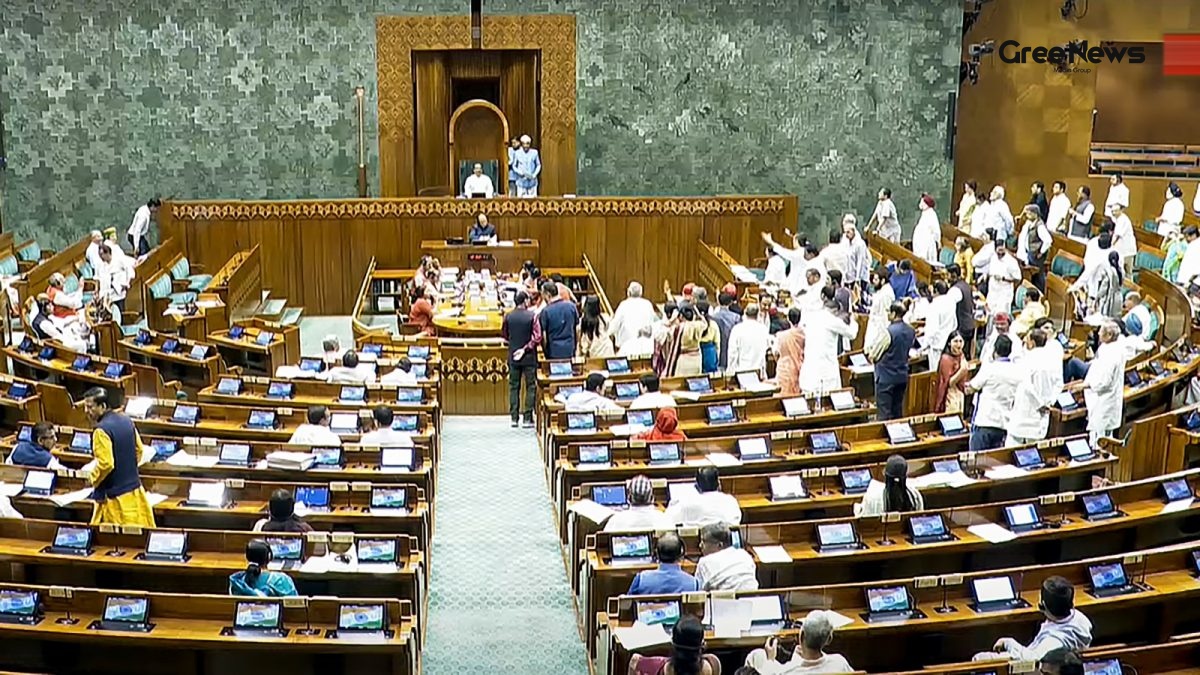
When the division vote was taken to introduce the Bill, 251 members backed it against 185. That margin, while not a landslide, gave the government a cushion to believe they could push the final vote through without much trouble. The confidence is also fed by the fact that the Delimitation Bill 2026 is bundled with the women’s reservation amendment a package that makes it politically risky for any party to oppose without appearing anti‑women.
In most discussions on India updates, you’ll see that the government has promised a “blank cheque of credit” to any opposition member who decides to support the bill. In simple terms, they’re saying: “If you vote with us, we’ll acknowledge your contribution publicly.” It’s a carrot that many find hard to refuse, especially when the political climate is as charged as it is now.
What’s more, the ‘deadline’ for the expansion is set for 2029, giving the government ample time to shape narratives and ensure the changes become a part of the political mainstream before the next election cycle.
Opposition’s defiance why they’re not backing down
The opposition’s stance is rooted in a mix of federal pride and social justice. They argue that while the pro‑rata model looks fair, it could still marginalise southern states in the long run, especially if future political realignments favor the Hindi‑heartland.
Furthermore, the INDIA bloc is pushing hard for a caste‑based census and an OBC sub‑quota within the women’s reservation. This resonates strongly with large segments of the electorate, especially in states like Uttar Pradesh, Bihar and Madhya Pradesh, where caste dynamics play a big role in voting patterns.
Many people were surprised by the intensity of the opposition’s campaign. They’ve organised rallies, used social media memes, and even held press conferences to highlight what they see as potential gerrymandering. Their argument is not just about seats; it’s about ensuring that representation stays balanced and that the voices of the south and marginalised communities are not drowned out.
Public reaction the buzz on the streets and online
If you walk through market lanes in Delhi, Mumbai or Kolkata these days, you’ll hear a mix of chuckles and serious debate. Some vendors joke that Modi is now “friend‑zoning” opposition leaders, while others argue that the 850‑seat plan could finally give their region the representation it deserves.
On Twitter and WhatsApp groups, the phrase “Modi’s friend Akhilesh” has become a meme. The banter has actually helped the story become more viral news, keeping people glued to the updates. In fact, the story’s reach has been amplified by everyday conversations, turning what could have been a dry legislative issue into a hot topic in family chowks.
Even the younger crowd, who usually skim over traditional news, have started watching short clips of the Parliament session because the “friend” comment adds a human angle to the otherwise technical debate.
What could happen next? Possible scenarios
Now, here’s where it gets intriguing. If the government manages to get enough cross‑party support, the 850‑seat expansion could be passed early, setting the stage for a major reshuffle of electoral boundaries before the next general election. That would mean new constituencies, new political calculations, and possibly a different power map across India.
On the other hand, if the opposition manages to rally enough dissent, the bill could be delayed or sent back for revisions. In that case, we might see an even louder call for a separate caste‑based census, which could open a whole new chapter of debates.
Many political watchers say the next few weeks will be crucial. The “friend” jab might seem like a small thing, but it has already set a tone of openness that the government hopes to exploit. Whether that translates into votes or more opposition unity remains to be seen.
Bottom line: Why this matters for every Indian
At the end of the day, the whole saga isn’t just about numbers in a bill. It’s about how our democracy adapts to a changing population, how regional voices are heard, and how politicians use personal language to sway public opinion. If the Lok Sabha grows to 850 seats, every voter’s chance of being represented will change possibly for the better, possibly for the worse.
For anyone keeping tabs on the latest news India, this is a story worth following, because it will shape the political landscape for years to come. Whether you are cheering for a bigger Parliament or worried about the potential for gerrymandering, the conversation is now part of the national dialogue and you’ll likely hear it in the next village panchayat meeting, office tea break, or online forum.
What happened next is interesting: the government’s next move will be to negotiate with a few key opposition leaders, perhaps offering them ministerial berths or policy concessions. The battle of wits, humour and strategy continues, and we’ll all be watching how the ‘friend’ comment evolves from a casual tease to a political lever.