Daily Use of Protein Powder? Uncover the Hidden Risks
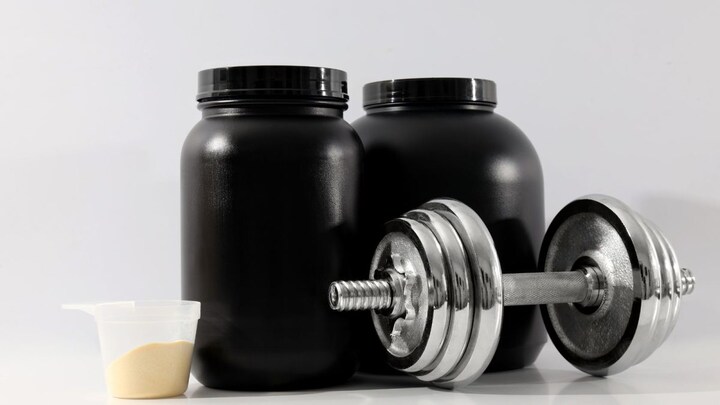
Protein powders are concentrated sources of protein derived from plants, eggs, or milk, often combined with added sugars, flavourings, thickeners, vitamins, and minerals.
What Makes Protein Powder Different from Whole‑Food Protein?
Protein powder is created through a process that extracts protein from a base ingredient—whether that base is a legume, an egg white, or a dairy product—and then concentrates the protein into a fine, easily dissolvable form. The concentration step removes a substantial portion of the original food’s fibre, water, and naturally occurring micronutrients, leaving a product that is primarily protein by weight. To improve taste, texture, and shelf life, manufacturers frequently blend the protein concentrate with a variety of additives, including sweeteners, flavour compounds, thickening agents, and isolated vitamins or minerals.
Because of this manufacturing approach, protein powder differs markedly from whole‑food protein sources such as beans, lean meat, or dairy. Whole foods retain a balance of macronutrients and fibre, while protein powder delivers a high‑density protein dose that can be consumed in a single serving. This distinction frames the conversation about potential hidden risks, because the body processes a purified protein load differently from a mixed‑nutrient food matrix.
Added Sugars and Their Hidden Caloric Load
Many protein powders have sweet taste profiles that make them appealing to a broad audience. To achieve that sweetness, manufacturers incorporate added sugars such as sucrose, dextrose, or fruit‑derived concentrates. While the primary marketing message emphasizes protein content, the sugar component can add a significant number of calories that are easy to overlook. When a consumer mixes a single scoop of protein powder with water, the added sugars are often invisible, leading to an underestimation of daily caloric intake.
The presence of added sugars can also affect blood‑glucose regulation, especially for individuals who are sensitive to rapid carbohydrate spikes. Over time, frequent consumption of sugar‑laden protein powders may contribute to weight gain, insulin resistance, or other metabolic concerns, even if the protein itself is being used for muscle repair or growth.
Flavourings, Thickeners, and the Question of Additives
Flavourings used in protein powder range from natural extracts derived from fruits or herbs to completely synthetic compounds designed to mimic popular tastes. Thickeners such as xanthan gum, carrageenan, or cellulose derivatives are added to improve mouthfeel and prevent clumping. While these ingredients are generally recognised as safe in the quantities used, their cumulative effect—especially when combined with other processed foods—can be a concern for digestive health.
Some individuals report gastrointestinal discomfort, bloating, or changes in stool consistency after regular intake of protein powders that contain multiple thickeners. The exact mechanism often relates to how these agents interact with gut microbiota or alter the viscosity of the intestinal contents, potentially slowing nutrient absorption or causing mild irritation.
Vitamins and Minerals: Beneficial Boost or Hidden Overdose?
Vitamins and minerals are frequently added to protein powder to market the product as a comprehensive nutritional supplement. Common inclusions are vitamin B‑complex, vitamin D, calcium, and iron. While these micronutrients support various bodily functions, the concentration in a single serving can sometimes exceed the recommended daily allowance, particularly when the user also consumes a balanced diet that already provides sufficient amounts of those nutrients.
Excessive intake of certain vitamins—especially fat‑soluble ones like vitamin D—can lead to toxicity over an extended period. Likewise, high levels of minerals such as calcium or iron may interfere with the absorption of other essential nutrients or cause mild side effects like constipation. Consumers who rely on protein powder as a daily staple should evaluate whether the added micronutrients align with their overall dietary pattern.
Potential Allergenic Reactions
Because protein powder can be derived from plants (such as soy, pea, or rice), eggs, or milk, each source carries its own allergenic profile. Individuals with sensitivities to dairy, egg, or specific legumes may experience allergic reactions when consuming a protein powder made from the offending source. Symptoms can range from mild oral itching to more pronounced gastrointestinal upset.
Cross‑contamination during manufacturing is another hidden risk. Facilities that process multiple protein sources may inadvertently introduce trace amounts of an allergen into a product that is labelled as a different source. For people with severe food allergies, this possibility underscores the importance of choosing products that provide clear, third‑party testing documentation.
Protein Over‑Consumption and Kidney Concerns
Protein powder enables the intake of high protein doses in a convenient form. However, consuming protein in amounts that far exceed an individual’s physiological needs can place additional stress on the kidneys, which are responsible for filtering nitrogenous waste products generated from protein metabolism. While healthy kidneys can typically handle increased protein loads, prolonged over‑consumption may accelerate the progression of underlying kidney issues in susceptible individuals.
The risk is not solely about the quantity of protein but also about the frequency of consumption. Daily reliance on protein powder for multiple meals can create a sustained high‑protein environment that may be unnecessary for most active adults, especially when whole‑food sources already provide adequate protein for muscle maintenance and repair.
Impact on Gut Microbiota
The gut microbiome thrives on a diverse array of fibers, resistant starches, and phytochemicals found in whole plant foods. Protein powder, being largely stripped of fiber, presents a diet that is relatively low in prebiotic substrates. Regularly replacing whole‑food protein sources with protein powder may reduce the intake of these beneficial fibers, potentially leading to an imbalance in gut bacterial populations.
An altered microbiome can influence digestion, immune function, and even mental health. While the effect varies among individuals, the substitution of protein powder for fiber‑rich foods introduces a hidden risk that may not be immediately apparent but could manifest over time as subtle digestive discomfort or changes in bowel habits.
Heavy Metals and Contaminants in Unregulated Products
Protein powder is a processed commodity, and the raw materials used can sometimes contain trace amounts of heavy metals such as lead, arsenic, cadmium, or mercury. Quality control measures differ among manufacturers, and some lower‑cost products may not undergo rigorous testing for contaminants. While most brands adhere to safety standards, the possibility of hidden heavy‑metal exposure remains a concern for consumers who purchase protein powder without verifying third‑party certifications.
Accumulation of heavy metals in the body over many years can have serious health implications, including neurotoxicity and organ damage. Choosing protein powder that displays transparent testing results or certifications from recognized independent laboratories can mitigate this hidden risk.
Economic Considerations and Hidden Costs
Although protein powder can appear economical on a per‑gram‑of‑protein basis, the hidden costs associated with added sugars, artificial additives, and potential health consequences can offset the apparent savings. For instance, extra calories from added sugars may contribute to weight gain, which in turn can increase healthcare expenses related to obesity‑related conditions. Moreover, the need for periodic laboratory testing to ensure product purity adds a layer of hidden financial burden for manufacturers, a cost that is often passed onto the consumer.
When evaluating the overall value of daily protein powder consumption, it is essential to consider these indirect costs alongside the direct price tag.
Best Practices for Safe Consumption
To navigate the hidden pitfalls associated with protein powder, consumers can adopt several precautionary measures. First, select a protein powder that aligns with personal dietary restrictions—for example, opting for a plant‑based version if dairy is a concern. Second, scrutinize the ingredient list for added sugars, artificial sweeteners, and unnecessary thickeners, choosing products with minimal additives.
Third, verify that the protein powder carries third‑party testing seals that confirm the absence of heavy metals and verify label accuracy. Fourth, monitor total daily protein intake, ensuring that protein powder complements rather than replaces whole‑food protein sources. Finally, balance protein powder consumption with a diet rich in fiber, fruits, vegetables, and whole grains to support a healthy gut microbiome.