Beyond Weight Loss: How Strength, Recovery, and Mindset Are Redefining Fitness

The fitness arena is moving through a quiet yet powerful metamorphosis. Where once the dominant narrative centered on rapid weight‑loss solutions and purely aesthetic ambitions, today a far richer, more layered pursuit of well‑being is taking shape. In studios, gyms, and on digital platforms alike, the emphasis is shifting from the singular goal of shedding pounds to cultivating a resilient body, a supple mind, and a sustainable lifestyle. This cultural recalibration mirrors a broader societal desire for balance, longevity, and an elevated quality of life, rather than fleeting results that vanish once a program ends.
Rahull Raghuvanshii, Managing Director, Jetts Fitness India, states, “The global fitness landscape is undergoing a decisive shift, from a singular focus on weight loss to a more holistic, sustainable approach centered on overall wellness.” Rahull Raghuvanshii continues, “Consumers today are moving beyond calories burned and kilos shed.” This observation underscores a transition toward strength, mobility, mental health, and long‑term vitality, marking a fundamental redefinition of fitness itself.
From Aesthetic Goals to Functional Strength
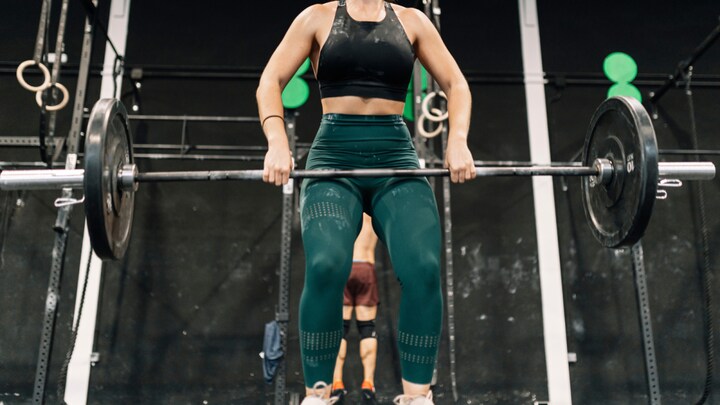
Within India’s bustling fitness market, the conversation is moving away from the pressure to appear skinny and toward a celebration of what the body can actually accomplish. Strength training, endurance circuits, and performance‑oriented regimes are increasingly popular, reflecting a shift toward goal‑driven rather than image‑driven outcomes. Participants now seek measurable improvements such as increased lift capacity, longer run times, and enhanced functional movement, all of which translate into everyday confidence and capability.Rahull Raghuvanshii observes, “Structured training formats such as HYROX‑style programs that combine strength, stamina, and measurable progress are increasingly popular. These programs appeal to individuals who want tangible improvements in performance, rather than just visual transformations.” The language of fitness is therefore evolving: the focus is now on what the body can achieve, not merely how it appears in a mirror.
HYROX‑style programs blend traditional weightlifting with high‑intensity cardio intervals, creating a comprehensive test of aerobic capacity, muscular endurance, and functional power. By delivering clear performance metrics—such as time to complete a circuit or weight moved—participants can track progress with precision. This metric‑driven model satisfies a growing appetite for objective feedback and aligns with the broader trend of data‑informed decision making in health.
The Rise of Smart, Data‑Driven Training
Technology has become an undeniable catalyst in the transformation of Indian fitness culture. Wearable sensors, mobile applications, and cloud‑based analytics are converging to create highly personalized training experiences. “Tech‑enabled workouts, performance tracking, and data‑driven insights are allowing individuals to better understand their bodies and personalise their routines,” Rahull Raghuvanshii explains. By translating raw physiological signals—such as heart‑rate variability, cadence, and power output—into actionable recommendations, technology empowers users to fine‑tune each session for optimal impact.
In practice, a typical smart training routine might begin with a wearable device that captures baseline metrics. Those metrics are then fed into an app that suggests a tailored warm‑up, selects appropriate load ranges for strength work, and even predicts recovery windows based on sleep quality and stress levels. As users progress, the system continuously recalibrates, ensuring that each workout remains challenging yet sustainable.
Data‑backed feedback also serves as a potent antidote to waning motivation. When a participant can see a concrete improvement—such as a reduction in the time required to complete a HIIT interval or an increase in squat depth—confidence builds, and adherence improves. This virtuous cycle of measurement, adjustment, and achievement is reshaping how Indian gym‑goers stay engaged over the long term.
Recovery Takes Centre Stage
High‑intensity training is now routinely balanced with dedicated recovery strategies, reflecting a more nuanced understanding of how the body adapts and grows stronger. “Fitness is no longer just about how hard you train, but also how well you recover,” Rahull Raghuvanshii asserts. Recovery modalities—including compression, vibration, and targeted mobility work—have moved from fringe benefits to core components of most programming.
Hyperice‑based recovery systems, for example, employ percussive and vibration therapy to facilitate blood flow, reduce muscle soreness, and accelerate tissue repair. When paired with intentional mobility drills and guided stretching sessions, these tools help athletes maintain a high frequency of training while mitigating the risk of overuse injuries. The cumulative effect is a training ecosystem that supports both immediate performance gains and long‑term durability.
Emphasising recovery also aligns with the broader desire for longevity. Participants are no longer solely focused on short‑term aesthetic outcomes; they seek frameworks that enable them to stay active well into later stages of life. By incorporating recovery practices into daily routines, individuals cultivate resilience, protect joint health, and preserve functional independence.
Community, Experience, and Flexible Fitness
Beyond the mechanics of movement, the experiential dimension of fitness is gaining equal importance. Boutique studios, group‑class formats, and community‑driven challenges create environments where social connection fuels consistency. “Globally recognised programs such as Les Mills have further elevated this space,” Rahull Raghuvanshii notes, highlighting how structured, scientifically‑backed workouts can also serve as communal rituals.
Les Mills classes, for instance, blend music‑synchronised choreography with functional movement patterns, delivering an energizing group experience that encourages participants to push beyond perceived limits. The shared intensity builds camaraderie, while the predictable class structure provides a reliable anchor in busy schedules.
Simultaneously, low‑impact modalities such as reformer Pilates are enjoying increased popularity among those who desire strength and flexibility without excessive joint stress. Reformer Pilates emphasises controlled movement, core stability, and postural alignment, offering a complementary counterbalance to the high‑intensity regimes that dominate many gyms.
The emergence of hybrid fitness models further underscores the demand for adaptable access. By blending in‑gym facilities with digital platforms, fitness brands empower members to transition seamlessly between onsite sessions and at‑home workouts. This flexibility respects the evolving lifestyle patterns of modern Indian consumers, who may juggle professional commitments, family responsibilities, and personal wellness goals.
The Holistic Mindset Shaping the Future of Fitness
The gradual departure from weight loss as the sole yardstick of success signals a more mature, mindful approach to health in India. Today’s fitness journey is measured by strength gains, enhanced mobility, psychological resilience, and sustained well‑being rather than mere numbers on a scale. This paradigm shift reflects an emerging consensus that true fitness is multidimensional, encompassing physical capacity, mental clarity, and emotional stability.
When individuals prioritise strength, they lay the foundation for everyday functional tasks—lifting groceries, climbing stairs, or playing with children—without undue fatigue. When they integrate recovery, they protect themselves from burnout and chronic injury, ensuring that progress remains steady over months and years. When they engage with community, they tap into social support that fuels motivation and accountability.
In this evolving landscape, technology serves as a supportive conduit rather than a dominating force. Wearables and data platforms provide insight, but the human element—coach guidance, peer encouragement, and personal introspection—remains central. The convergence of these elements creates a robust ecosystem where participants can thrive, regardless of age, experience level, or fitness background.
Looking ahead, the trajectory suggests that fitness will continue to be defined by how individuals feel, how efficiently they move, and how sustainably they can maintain an active lifestyle. Strength, recovery, and mindset will remain the cornerstones of this new era, guiding Indian fitness enthusiasts toward a healthier, more balanced future.