Snow‑Strewn Gulmarg Marred By Film‑Crew Litter, Netizens Decry Lack Of Civic Responsibility
Introduction
Gulmarg enjoys global recognition for its powder‑soft snow, untouched alpine scenery and the sense of serenity that draws thousands of visitors each season. The location, nestled in the snow‑capped hills of Kashmir, has traditionally been celebrated for its natural purity and its capacity to provide a peaceful retreat away from the clamor of urban life. Yet a recent viral recording has revealed a starkly contrasting image: a stretch of the white‑blanketed ground littered with refuse that starkly challenges the reputation of the area.
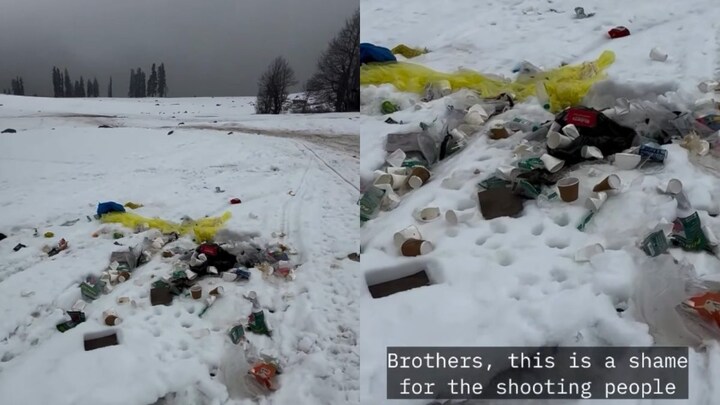
The recording, initially posted by an Instagram account named Himalayan_Edges, captured a disturbing tableau that quickly ignited a wave of criticism across social media platforms. The clip displayed a scene that was far removed from the pristine image associated with Gulmarg, showcasing a scattering of bottles, plastic bags, food remnants and other detritus left behind after a film crew completed a shoot.
Details of the Video Recording
The video commences with a man holding a camera, walking through a snow‑laden field that should convey an unspoiled winter canvas. As the camera pans, the eye is drawn to numerous piles of waste strewn across the surface. Empty plastic bottles lay side by side with translucent grocery bags, while remnants of meals—wrapped food items, crumpled paper and discarded cutlery—are intermingled with the snow. The accumulation creates a visual dissonance, juxtaposing the immaculate white of the snow with the garish colors of modern refuse.
While documenting the scene, the man verbalizes a pointed critique, stating, “Brothers, this is a disgrace for the film crew who came to Gulmarg for a shoot. Just look, filming was taking place right here, yet they have simply dumped all their trash on the spot and left. They haven’t bothered to pick it up or do anything about it.” This spoken commentary underscores the perception that those responsible for the waste have shown a lack of respect for the environment and the community that cherishes Gulmarg’s natural beauty.
The man continues, “As you can see, the bikers here are always cleaning up, and it is a matter of shame, both for those people and for all of us, that this mess has been left lying around like this. No one has picked it up for the past day or two. Thousands of tourists come here to visit, drawn by the desire to witness this beauty, but what, exactly, will they see?” The remark highlights the contrast between the diligent efforts of local cyclists who regularly maintain the area and the apparent neglect displayed by the film crew.
Throughout the recording, the camera repeatedly captures the same sections of the field, reinforcing the idea that no cleanup attempts have taken place since the waste was deposited. Tracks in the snow suggest movement of individuals or vehicles, yet the debris remains in place, unaltered and unmoved.
Near the conclusion of the video, the man urges viewers to disseminate the footage widely, urging, “Please make sure to share this video so that this message reaches those individuals who come here to film but, in the process, end up spoiling this natural beauty.” The call to action aims to generate public awareness and pressure stakeholders to enforce stricter environmental standards for future productions.
Social Media Amplification and Public Outcry
The video quickly caught the attention of a user on X identified as Nikhil Saini. Nikhil Saini accompanied the clip with the comment, “What a shame that a movie crew came to shoot and walked away leaving filth in the pristine, snow covered Gulmarg. Tourist states need to get brutally strict on such behaviour, heavy penalties, bans. Only then will people understand that these places are not their dustbin. @OmarAbdullah sir, please do take action.” This statement not only expressed disappointment but also called for decisive regulatory measures, urging the relevant authority represented by OmarAbdullah to intervene.
Another user, echoing the sentiment, wrote, “Bilkul Sahi Nikhil bhai! Strict penalties, blacklisting and on ground monitoring are need of the hour otherwise this will keep repeating. Hope @OmarAbdullah and authorities take this seriously and set an example.” This response reinforced the demand for punitive actions and continuous surveillance to deter similar incidents.
Additional comments reflected a mixture of anger and disbelief. One user exclaimed, “Seriously?? Uncivilized lot.” A separate participant argued, “All members of the crew should be arrested and asked to clean the whole mess and to do so for one month.” The intensity of the reactions underscores the collective sense of betrayal felt by the public, who view Gulmarg as a shared heritage that deserves protection.
Analysis of Civic Responsibility in Tourist Destinations
The episode brings into focus a broader discussion about civic sense and environmental stewardship in locations that attract both domestic and international visitors. Gulmarg, celebrated for its untouched environment, serves as a microcosm for many high‑altitude tourist spots where the influx of people can strain local ecosystems if proper waste management practices are not enforced.
Local stakeholders—including residents, small‑scale entrepreneurs and seasonal workers—often rely on the natural appeal of Gulmarg to sustain their livelihoods. The presence of litter, especially in a setting that depends on unspoiled vistas, can compromise the very foundation of tourism that fuels the regional economy. Moreover, the visibility of waste in a place known for its purity can tarnish the destination’s brand, potentially deterring future visitors and diminishing revenue.
The film industry, while contributing to cultural production and occasionally bringing economic benefits to remote areas, carries an implicit duty to uphold environmental standards. Production teams are frequently equipped with resources and logistical capacity that surpass those of typical visitor groups, thereby amplifying the impact of any negligence. The scenario captured by Himalayan_Edges illustrates how a lapse in responsibility translates into a tangible degradation of the environment, provoking public ire.
Calls for stringent penalties, as articulated by Nikhil Saini and other commenters, align with a growing recognition that punitive measures can serve as deterrents. By imposing fines, bans or mandatory restoration work, authorities can reinforce the message that natural spaces are not venues for careless disposal. The suggestion of blacklisting crews reinforces the idea that repeated violations should result in cumulative repercussions, thereby protecting the integrity of places like Gulmarg.
Potential Measures and Path Forward
Addressing the issue highlighted by the viral video requires a multifaceted strategy. First, regulatory bodies overseeing film productions should mandate comprehensive waste‑management plans as part of the permit process. Such plans would detail the number of waste containers required, the frequency of collection and the responsibilities assigned to the production team.
Second, local authorities could develop a rapid‑response monitoring unit dedicated to overseeing high‑traffic areas during peak seasons. This unit would conduct routine inspections, photograph any infractions and liaise directly with production houses to ensure immediate remediation.
Third, community‑driven initiatives—such as volunteer cleanup drives organized by local cyclists, schools or environmental NGOs—could empower residents to maintain the cleanliness of Gulmarg while fostering a sense of collective ownership. Publicizing these efforts through social media can create a positive feedback loop, encouraging visitors to respect the environment.
Finally, educational campaigns aimed at both tourists and professionals within the film industry could underscore the importance of “leave‑no‑trace” principles. By integrating these concepts into pre‑shoot briefings and visitor orientation programs, stakeholders can cultivate a culture of respect for natural habitats.
Conclusion
The footage shared by Himalayan_Edges has served as a catalyst for a nationwide conversation about civic responsibility, especially in locations famed for their natural splendor. The collective condemnation voiced by users such as Nikhil Saini, along with the explicit appeal to OmarAbdullah for decisive action, reflects a growing intolerance for environmental disregard. While Gulmarg continues to attract visitors drawn by its powder‑soft snow and breathtaking vistas, the episode underscores the necessity of robust safeguards to ensure that the beauty remains unmarred for future generations.
Through a combination of stricter regulatory oversight, community participation, and heightened awareness within the film sector, the detrimental impact documented in the viral video can be mitigated. The hope articulated by the online community is that the outrage translated into concrete policy changes, establishing Gulmarg—and similar treasured destinations—as places where respect for nature is non‑negotiable.