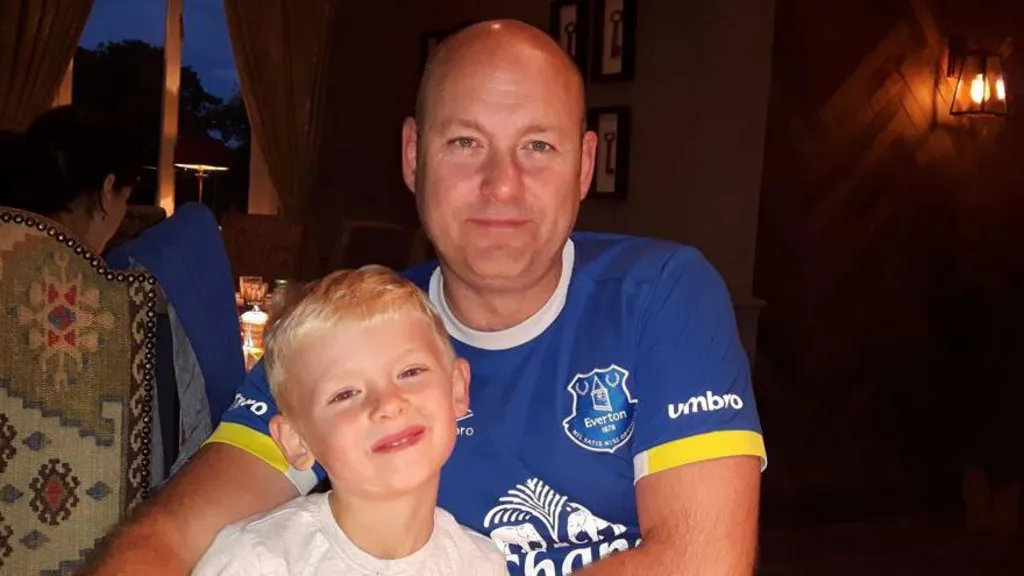
Family of One‑Punch Attack Victim Fears Compensation Cap May Exhaust Funds
Craig Lewis‑Williams requires lifelong specialist care after a single‑punch assault left him with severe brain injury, paralysis and dependence on tube feeding. The £500,000 maximum compensation award, set decades ago, may be insufficient to meet ongoing costs, prompting calls for a review.
Craig Lewis‑Williams is now fed through a medical tube and receives visits from carers six times each day. The assault that caused these circumstances was a single punch that sent Craig Lewis‑Williams crashing backwards onto a hard surface, resulting in a traumatic brain injury, loss of mobility and the inability to swallow.
The assault occurred several years ago, and the 50‑year‑old resident of Llay, Wrexham, will require specialist assistance for the remainder of his life. The injury forced Craig Lewis‑Williams to abandon a career as a warehouse manager and transitioned him into a state of total dependence on a team of support workers.
Compensation Award and Its Historical Basis
Craig Lewis‑Williams received the highest statutory award available from the Criminal Injuries Compensation Authority – a payment of £500,000. This ceiling was originally established in the mid‑1990s and has not been indexed to inflation since that time. Campaigners argue that if the cap had been adjusted in line with price‑level changes, a victim with circumstances identical to Craig Lewis‑Williams would now be entitled to more than £1,015,000.
The family of Craig Lewis‑Williams believes the current maximum is rapidly becoming inadequate, especially in light of rising living costs and the long‑term nature of Craig Lewis‑Williams’ needs. Anna, the wife of Craig Lewis‑Williams, has repeatedly highlighted the disparity between the lump‑sum award and the ongoing expenses required to maintain a suitable standard of care.
Personal Impact on the Family
Anna emphasises that the compensation must stretch over decades. "Things are going to need replacing like Craig Lewis‑Williams’ wheelchair and the van, they are substantial expenditures that are not comparable to buying a car for a few hundred pounds," Anna explains. "The money must sustain adaptations for the long haul. Craig Lewis‑Williams just turned 50; the expected lifespan for a male in this region is between 75 and 80, meaning there are another 25 to 30 years of needs ahead."
Craig Lewis‑Williams’ condition includes paralysis on the left side of the body, a result of a stroke that occurred during the initial treatment phase. The stroke compounded the original brain injury, leaving Craig Lewis‑Williams with limited mobility and the necessity for tube feeding. Because of these complications, Craig Lewis‑Williams cannot perform everyday tasks such as dressing, moving independently, or eating without assistance.
The family’s concerns extend beyond immediate expenses. Anna notes, "You cannot purchase a vehicle for £500 or £1,000, yet the adaptations required for Craig Lewis‑Williams’ home and transport demand far more funds. Prices have risen dramatically since the compensation cap was first set, and the cost‑of‑living crisis intensifies the pressure on the awarded sum."
The fear that the award may be depleted before Craig Lewis‑Williams’ anticipated lifespan is a source of constant anxiety for the family. The prospect of exhausting the funds would jeopardise the quality of care and could force reliance on precarious public assistance schemes.
Legal Proceedings and Perpetrator Accountability
The perpetrator of the assault, Adam Chamberlin, admitted to causing grievous bodily harm and received a custodial sentence of more than a year. Adam Chamberlin’s conviction underscored the seriousness of the assault but did not address the lasting financial and medical burdens placed on Craig Lewis‑Williams and his family.
Following the sentencing, Craig Lewis‑Williams’ legal representatives appealed for the maximum compensation amount, resulting in the £500,000 award. The appeal process highlighted the rigidity of the statutory ceiling and prompted renewed scrutiny of the compensation framework.
Systemic Issues with the Compensation Scheme
The Criminal Injuries Compensation Authority’s maximum award was set in the mid‑1990s and has remained unchanged for three decades. The scheme is intended to provide financial support to victims of violent crime who have endured life‑altering injuries, including brain damage, paralysis and loss of earning capacity. The lump‑sum payment is meant to cover both immediate medical costs and long‑term support requirements.
However, experts argue that the static nature of the cap fails to reflect contemporary economic realities. Neil Sugarman, a solicitor specialising in criminal injuries and former president of the Association of Personal Injury Lawyers, describes the thirty‑year anniversary of the cap as a “wake‑up call” for policymakers. Sugarman asserts, "For adults and children who suffer catastrophic brain injury, are confined to a wheelchair or whose lives have been ruined by abuse, the fact that they have to manage with this amount for life through no fault of their own is an insult."
Kim Harrison, also a former president of the Association of Personal Injury Lawyers, calls for an immediate review of the cap, emphasizing that victims have been overlooked for an extended period. Harrison states, "While having a cap on compensation for survivors of crime is not perfect, at the very least it should be recognised that the amount established when the cap was set will not go as far in today’s money, three decades on."
These legal professionals underscore that the cap’s purchasing power has eroded substantially, leaving survivors like Craig Lewis‑Williams facing a financial shortfall that could compromise essential care.
Broader Concerns from Other Affected Families
Other families echo the anxieties expressed by the Lewis‑Williams household. Nichola, a resident of north‑west England, worries about the long‑term provision for her adopted teenage daughter Lou. Lou, a secondary‑school pupil, lives with learning difficulties that stem from brain damage suffered in utero and after birth due to her biological mother’s drug use.
Despite Lou’s remarkable resilience in mainstream education, she experiences ongoing mental‑processing challenges, mood disorders, and behavioural difficulties. Nichola explains, "The assessments indicate that Lou will struggle to maintain long‑term employment, particularly with the interpersonal and disciplinary demands of most workplaces. She possesses a significant sum of money, which appears large to anyone else, but it must sustain her for a lifetime. Considering Lou’s young age, the funds may need to last another 80 years."
This testimony illustrates that the compensation cap affects a broad spectrum of victims, not solely those with physical injuries but also individuals with enduring neurodevelopmental challenges.
Government Response and Funding Figures
A spokesperson for the Ministry of Justice expressed solidarity with all victims of violent crime, stating, "Our thoughts are with all victims of violent crime. We are leaving no stone unturned to make sure brave survivors get the support they deserve." The spokesperson further highlighted the scale of public investment, noting that more than £164 million was disbursed through the taxpayer‑funded Criminal Injuries Compensation Scheme in the most recent financial year.
The Ministry of Justice’s declaration underscores a commitment to reviewing the compensation framework, though specific details regarding amendments to the statutory ceiling remain forthcoming.
Potential Paths Forward
Advocates propose several avenues to address the shortfall. One suggestion involves indexing the maximum award to inflation or a cost‑of‑living indicator, ensuring that future victims receive an amount that retains its real‑world purchasing power. Another approach calls for a tiered compensation model, wherein awards are calibrated based on the severity and projected duration of care needs, rather than applying a uniform cap to all cases.
Additional recommendations include establishing a dedicated fund for long‑term care expenses that can be drawn upon as the lump‑sum award diminishes. Such a fund would provide a safety net for individuals like Craig Lewis‑Williams, whose medical and support requirements will inevitably evolve over time.
Stakeholders also emphasize the importance of transparent communication between the Criminal Injuries Compensation Authority, legal representatives, and claimants. Clear guidance on how the awarded sum can be managed, invested, and protected against premature depletion would empower families to make informed financial decisions.
Conclusion
The case of Craig Lewis‑Williams epitomises the challenges faced by victims of severe violent crime in a compensation system whose monetary ceiling has not kept pace with economic change. Despite receiving the maximum award possible under current legislation, Craig Lewis‑Williams and his family confront the stark reality that the sum may not sustain the extensive, lifelong care required.
Calls from legal experts, advocacy groups, and fellow families highlight a growing consensus that the statutory cap demands urgent revision. Whether through inflation‑adjusted limits, tiered awards, or supplemental care funds, the objective remains to ensure that survivors like Craig Lewis‑Williams receive the enduring support they deserve, without fear that their compensation will run dry before the end of their lives.
As public awareness of these systemic shortcomings expands, pressure mounts on the Ministry of Justice and the Criminal Injuries Compensation Authority to enact reforms that align financial assistance with the true long‑term cost of severe injuries. The outcome of these discussions will shape the future wellbeing of countless individuals whose lives have been irrevocably altered by violent crime.