Raw or Ripe Mangoes: Which One Benefits Health More?
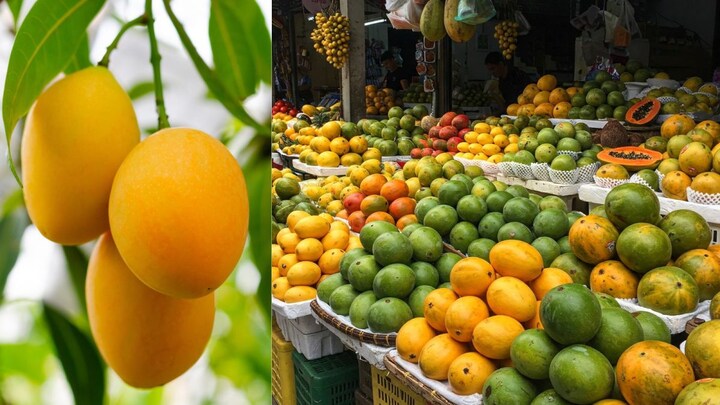
People dealing with joint pain or arthritis should limit raw mango intake, as the sour quality may intensify discomfort.
Understanding the Nutritional Landscape
When summer arrives, mangoes dominate menus across many cultures, yet a recurring question persists: should one prioritize raw mango or ripe mango? Both categories deliver delicious flavor, yet the nutritional profiles differ markedly. Recognizing these differences allows individuals to align fruit choice with personal health objectives rather than assuming a universal “best” option.
From a macro‑nutrient perspective, raw mango and ripe mango share core components such as carbohydrates, fiber, and essential micronutrients, but the concentration of each element shifts dramatically as the fruit transitions from unripe to fully ripe. The transformation is driven by biochemical processes that convert stored starches into simple sugars, simultaneously altering vitamin density, antioxidant capacity, and overall caloric load.
Vitamin C Powerhouse: Raw Mango
Raw mango stands out for its exceptionally high Vitamin C content. A single raw mango can supply an amount of Vitamin C comparable to three apples or a large orange, making it a potent ally in immune defense. Vitamin C functions as a crucial cofactor in the production of white blood cells, supports collagen synthesis, and acts as a primary antioxidant that neutralizes free radicals generated during daily metabolic activities.
Regular consumption of raw mango therefore contributes to heightened resistance against infections, shortens the duration of common colds, and may reduce the severity of seasonal illnesses. For individuals seeking a natural, plant‑based boost to immune function, raw mango delivers a concentrated source of this essential vitamin without the need for supplementation.
Eye Health and Skin Radiance: Ripe Mango
As mango progresses to full ripeness, the fruit’s starch reserves convert into glucose and fructose, imparting the characteristic sweetness associated with the tropical delicacy. This sweet stage also heralds a surge in Vitamin A and beta‑carotene concentrations. Vitamin A plays a pivotal role in maintaining optimal visual acuity, particularly in low‑light environments, while beta‑carotene serves as a provitamin that the body converts into additional Vitamin A as needed.
Electrolyte Balance and Heat‑Related Relief: Raw Mango
Peak summer temperatures place additional strain on the body’s thermoregulatory mechanisms, elevating the risk of heat‑related ailments such as heatstroke and dehydration. Traditional preparations that incorporate raw mango—often referred to as “aam panna” in various culinary traditions—leverage the fruit’s natural acidity and potassium content to restore electrolyte equilibrium. The sour flavor stimulates salivation, which can help mitigate the sensation of dryness in the mouth, while the potassium assists in maintaining proper cellular function during excessive sweating.
Beyond hydration, raw mango serves as a gentle digestive aid. When paired with a pinch of black salt, raw mango can alleviate common gastrointestinal complaints, including acidity, occasional constipation, and mild morning nausea. The combination of acidity, fiber, and mineral content works synergistically to promote smoother digestion and reduce the discomfort associated with digestive irregularities.
Energy Provision and Caloric Considerations: Ripe Mango
Ripe mango’s elevated sugar profile positions the fruit as an immediate source of energy. The readily absorbable carbohydrates furnish a quick burst of fuel, making ripe mango an appealing snack for athletes, laborers, or anyone needing rapid revitalization during the day. Coupled with dietary fiber, the carbohydrate surge is moderated, helping to sustain stable blood glucose levels over a short period.
Nevertheless, the heightened caloric density of ripe mango warrants mindful consumption for individuals pursuing weight loss or calorie‑restriction goals. Each ripe mango delivers more calories than its raw counterpart, primarily due to the conversion of starch into sugar. For those seeking to gain weight or increase caloric intake, ripe mango offers a natural, nutrient‑rich avenue to augment daily energy consumption.
Ayurvedic Perspective: Balancing Doshas
Ayurveda, the ancient Indian system of medicine, categorizes foods according to their influence on the body’s three fundamental energies—Vata, Pitta, and Kapha. Within this framework, raw mango is prized for its ability to pacify both Pitta and Vata doshas, thereby countering excess heat and stabilizing nervous system activity. The inherent sourness of raw mango is believed to cool the body, reduce inflammation, and protect against internal overheating.
Potential Risks of Overconsumption
Although both raw mango and ripe mango are celebrated for their health‑promoting attributes, excessive intake carries potential drawbacks. Overindulgence in ripe mango can result in a pronounced rise in dietary sugar, posing a challenge for people managing diabetes. Ripe mango’s sugar load may cause rapid spikes in blood glucose, emphasizing the importance of portion control and medical guidance for individuals with glucose‑regulation concerns.
Both fruit stages possess the characteristic of being “heaty” in traditional dietary lexicons, meaning that large quantities might contribute to skin eruptions such as acne or exacerbate existing skin sensitivities. Moreover, raw mango contains a sticky white sap on its outer skin that can irritate the throat, provoke itching, or lead to mild stomach upset if not removed thoroughly before consumption. Proper washing and peeling practices are essential to mitigate these adverse effects.
People experiencing joint pain or arthritis should exercise caution with raw mango, as the pronounced sourness may intensify discomfort in affected joints. Limiting raw mango intake, especially during flare‑ups, can help avoid aggravation of arthritic symptoms.
Practical Recommendations for Everyday Consumption
Incorporating mango into a balanced diet involves mindful selection based on individual health objectives. For individuals seeking a refreshing, low‑calorie option that supports immune health and assists with hydration, raw mango offers a compelling choice. Simple preparations such as raw mango slices sprinkled with black salt, or blended raw mango smoothies mixed with a modest amount of water and a pinch of cumin, can deliver the desired benefits without excessive calorie intake.
For those who require a rapid energy boost, desire enhanced skin radiance, or wish to support visual health, ripe mango presents an optimal solution. Ripe mango can be enjoyed fresh, added to fruit salads, blended into smoothies, or incorporated into desserts that highlight its natural sweetness. Pairing ripe mango with protein sources—such as Greek yogurt or nuts—can further balance the sugar impact while providing a more sustained nutrient profile.
Regardless of the chosen stage, it is prudent to observe portion sizes. A single serving—approximately one cup of diced mango—delivers a generous array of vitamins, minerals, and antioxidants without overwhelming the system. Individuals with specific health considerations, such as diabetes, should consult healthcare professionals to determine appropriate serving frequencies.
Conclusion: Tailoring Mango Choice to Personal Needs
Raw mango and ripe mango each bring distinctive advantages to the table. Raw mango excels in Vitamin C delivery, electrolyte balance, and digestive support, making it a valuable ally during hot weather and for those curious about natural immune enhancement. Ripe mango shines with Vitamin A, beta‑carotene, and quick‑acting carbohydrates, catering to needs for visual health, skin vitality, and immediate energy replenishment.
The optimal approach does not demand an exclusive commitment to one stage; rather, it encourages strategic rotation based on seasonal demands, personal wellness goals, and any existing medical conditions. By respecting the unique nutritional contributions of raw mango and ripe mango, individuals can enjoy the full spectrum of mango’s health‑promoting potential while minimizing potential drawbacks.
In summary, choose raw mango when the objective centers on cooling the body, boosting Vitamin C, and supporting digestion. Opt for ripe mango when the goal emphasizes energy, skin glow, and eye health. Balanced consumption, attentive preparation, and awareness of individual health contexts will ensure that mango remains a beloved, nourishing component of the diet.