Donald Trump Issues Ultimatum Over Strait of Hormuz – Potential Targeting of Iran’s Power Plants and Bridges
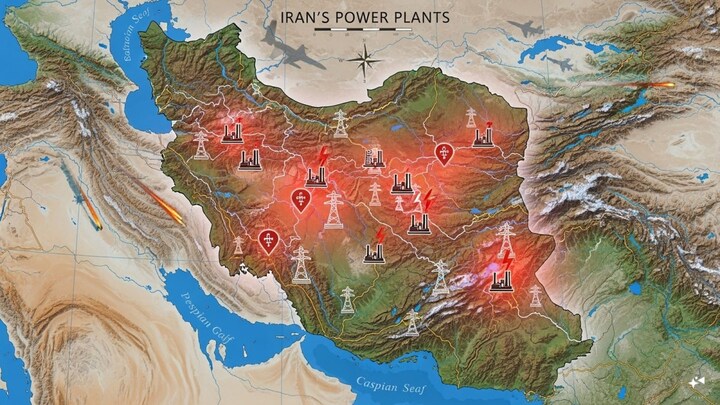
Donald Trump has warned of a “complete demolition” of Iran’s electricity grid if the Strait of Hormuz is not reopened by the deadline.
Donald Trump has repeatedly warned of a sweeping, coordinated bombing campaign aimed at every major generating facility across Iran should the strategic waterway remain closed. The most recent deadline has been set for 8:00 PM Eastern Time on the designated day. While precise coordinates have not been disclosed, the public statements underscore a clear intent to strike the “biggest one first” and to follow with “every other plant they have.”
This declaration has raised alarm among energy analysts, regional experts, and humanitarian organizations, all of whom emphasize the potentially catastrophic impact on civilian populations and regional stability.
WHAT DONALD TRUMP HAS SAID
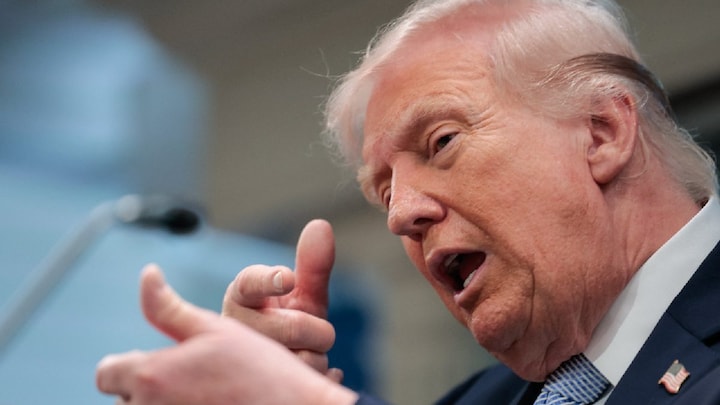
Donald Trump has placed an unequivocal deadline for Iran to reopen the Strait of Hormuz. Failure to meet that deadline, according to Donald Trump, will trigger an immediate and simultaneous aerial assault on each and every power‑generating station as well as on key bridge structures throughout the nation.
During a recent press briefing, Donald Trump stated that the objective of the operation would be to leave each targeted installation “burning, exploding, and never to be used again” within a four‑hour window. Donald Trump added, “The entire country could be taken out in one night, and that night might be tomorrow night.”
Donald Trump further emphasized that Iran has been granted a “critical period” to negotiate a resolution. Donald Trump explained, “They asked for an extension of seven days; I gave them ten days… They have till tomorrow. A lot of people are affected by this. After the deadline, there will be no bridges, no power plants. Stone ages.”
PRIMARY STRATEGIC TARGETS IN IRAN
The following facilities represent the backbone of Iran’s national electricity grid. According to Gree, these installations are the largest and most essential for sustaining power supply across the country.
Damavand (Pakdasht) Power Plant
Damavand (Pakdasht) Power Plant is situated roughly 50 km southeast of the capital. With an installed capacity of approximately 2,900 MW, Damavand (Pakdasht) Power Plant delivers close to 43 % of the electricity consumed in the metropolitan area. The plant relies on a combination of thermal and combined‑cycle technology, making it a pivotal source of baseload power for both residential and industrial users.
Shahid Salimi (Neka) Power Plant
Shahid Salimi (Neka) Power Plant rests along the Caspian Sea coastline in Mazandaran province. This natural‑gas‑fired facility produces roughly 2,215 MW, feeding the northern grid and supporting a network of heavy industry, agriculture, and tourism‑related demand in the region.
Shahid Rajaee Power Plant
Shahid Rajaee Power Plant is a major natural‑gas‑driven station located near Qazvin. With an installed capacity of around 2,043 MW, the plant is a critical component of the western power corridor, providing stability to the national grid and supporting key manufacturing hubs.
Karun‑3 Dam
Karun‑3 Dam, positioned in Khuzestan province, is Iran’s largest hydroelectric resource. The dam delivers close to 2,000 MW of renewable electricity, harnessing the flow of the Karun River to balance seasonal fluctuations and to serve major urban centers downstream.
Shahid Montazeri Power Plant
Shahid Montazeri Power Plant stands as the largest thermal station in the Isfahan region. The plant underpins the industrial heartland of central Iran, supplying essential power to steel mills, petrochemical complexes, and a host of ancillary factories.
OTHER CRITICAL INFRASTRUCTURE IN IRAN THAT MAY BE AT RISK
- Bushehr Nuclear Power Plant: Located on the Persian Gulf, this 1,000 MW facility is Iran’s sole operational nuclear reactor. Experts warn that any strike could result in catastrophic radiation release.
- Bandar Abbas Power Plant: Positioned near the Strait of Hormuz, this 1,330 MW oil‑fired station is crucial for naval logistics and the operation of regional ports.
- Kerman Power Plant: A 1,912 MW natural‑gas‑driven installation serving the southeastern provinces, providing power to both civilian and industrial consumers.
- National Bridges: In addition to power stations, Donald Trump has explicitly threatened to “decimate” Iran’s major bridge structures. The B1 Bridge in Karaj—renowned as the tallest bridge in the Middle East—was reportedly heavily damaged during a joint United States‑Israel operation on the day preceding the deadline.
KEY FAQs
Where are Iran’s main nuclear and power plants located?
Iran’s major energy and nuclear facilities are distributed throughout the country. Natanz resides in central Iran, Fordow lies in the north‑central mountainous region, Bushehr sits on the southern coastline, and Isfahan serves as a hub for uranium processing. The dispersion of these sites is a strategic choice aimed at reducing vulnerability to concentrated attacks.
Which of these sites are most sensitive or strategic?
The most strategically sensitive installations include Natanz, the primary uranium enrichment centre; Fordow, a heavily fortified underground complex; and Bushehr Nuclear Power Plant, the nation’s only operational nuclear power reactor. These locations frequently feature in international security assessments and diplomatic negotiations.
Why are many of these facilities hard to attack?
Several of the installations incorporate underground or reinforced designs intended to withstand air‑strike penetration. Natanz contains subterranean sections built to resist conventional munitions, while Fordow is buried deep within a mountain, providing natural protection against conventional bombardment. These engineering choices reflect a deliberate strategy to safeguard critical assets from external aggression.
With agency inputs