Tracing the Journey of Ramayana on Screen as Ranbir Kapoor’s New Film Takes Shape
The arrival of Ranbir Kapoor Ramayana invites a fresh look at the many ways the ancient epic has been rendered for television, animation and cinema, highlighting its enduring visual legacy.
Nitesh Tiwari‑Directed Vision Set for a Festive Release
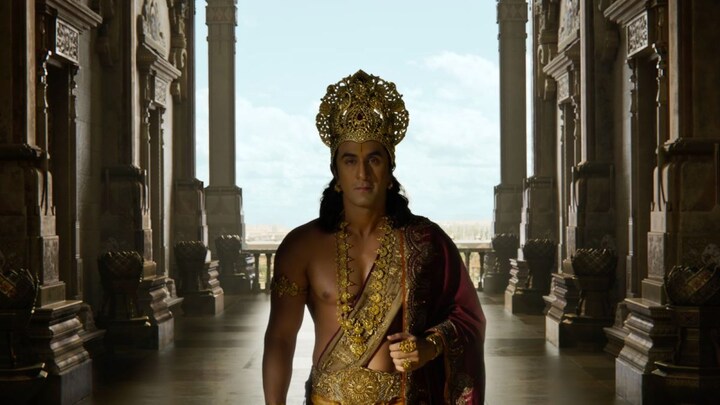
Nitesh Tiwari‑directed Ranbir Kapoor Ramayana is slated to appear on the big screen during a major festive window. The project brings together an ensemble cast that includes Ranbir Kapoor, Sai Pallavi, Yash and Sunny Deol, among others. The collaboration marks a significant moment for contemporary Indian cinema, aiming to reinterpret a narrative that has been a cultural touchstone for generations.
Television Adaptations: The First Wave of Visual Storytelling
When the epic first moved from oral tradition to the small screen, the result was a television series that captured the imagination of millions. The serial, simply titled Ramayan, presented the saga of Prince Rama, his devoted wife Sita, his loyal brother Lakshmana and the ever‑watchful deity Hanuman. The production employed elaborate set designs, traditional costumes and a musical score that echoed the devotional verses of the original text. Viewers across the nation gathered nightly, turning the stories of exile, battle and reunion into shared cultural moments.
The success of the original Ramayan series encouraged a number of regional reinterpretations, each tailored to local sensibilities while preserving the core narrative arc. These adaptations demonstrated how the epic could be molded to suit diverse linguistic and cultural contexts without compromising its essential themes of duty, honor and love.
Beyond the flagship series, subsequent television efforts explored specific episodes in greater depth. Mini‑series focused on the battle of Lanka, the moral dilemmas faced by Rama, and the unwavering devotion of Hanuman. By concentrating on individual segments, these programmes allowed audiences to engage with the subtleties of character motivations and the philosophical underpinnings of the story.
Animated Renderings: Introducing the Epic to Younger Audiences
Animation opened a new frontier for storytelling, offering vibrant visuals that appealed to children and families alike. An early animated feature, released in the early 1990s, portrayed Prince Rama’s journey with a blend of traditional art and modern computer‑generated imagery. The film emphasized the moral lessons embedded in the narrative, presenting them through accessible dialogue and colorful sequences that highlighted the triumph of good over evil.
Subsequent animated productions built on this foundation, employing different artistic styles ranging from hand‑drawn illustrations to fully CGI‑driven worlds. The flexibility of animation allowed creators to dramatize mythic battles, celestial interventions and supernatural feats with a level of visual spectacle that live‑action formats sometimes found challenging to achieve.
Educational series derived from the epic also emerged, using concise episodes to teach values such as honesty, compassion and perseverance. These programs often incorporated interactive elements, encouraging young viewers to reflect on the decisions made by characters like Rama, Sita and Lakshmana.
Cinematic Interpretations: Reimagining the Tale for the Silver Screen
Film directors have repeatedly turned to the Ramayana for inspiration, crafting adaptations that blend grand spectacle with intimate drama. Early cinematic retellings relied heavily on theatrical performance, with actors delivering verses in a stylized manner that highlighted the poetic nature of the source material. Grand set pieces—such as the construction of the bridge to Lanka—were realized through elaborate practical effects and massive crowd choreography.
As technology advanced, filmmakers incorporated sophisticated visual effects to depict celestial beings, divine weapons and mythic battles. These technical enhancements allowed for a more immersive representation of episodes like the showdown between Rama and Ravana, where the clash of divine swords and the soaring flight of Hanuman could be rendered with unprecedented realism.
Beyond visual spectacle, contemporary cinema has explored the psychological dimensions of the characters. Directors have delved into Rama’s internal conflict between his royal duty and his personal longing for a peaceful life, Sita’s resilience in the face of exile, and Ravana’s complex motivations that extend beyond a simple villain archetype. By presenting nuanced portrayals, these films invite audiences to reflect on timeless ethical questions embedded within the epic.
Music has remained a cornerstone of cinematic adaptations, with song sequences that echo the devotional chants traditionally associated with the story. Orchestral arrangements, folk motifs and classical ragas have been woven together to create soundscapes that reinforce the emotional gravity of pivotal moments, such as the return to Ayodhya or the heartbeat‑raising war on the shores of Lanka.
Anticipating Ranbir Kapoor Ramayana: What the New Film Brings to the Table
Nitesh Tiwari‑directed Ranbir Kapoor Ramayana arrives with an ambitious agenda: to honor the legacy of past adaptations while offering a fresh visual language that resonates with contemporary viewers. The involvement of Ranbir Kapoor, Sai Pallavi, Yash and Sunny Deol signals a commitment to nuanced performances, each actor bringing a distinct interpretive lens to the central figures of the saga.
Ranbir Kapoor, portraying the heroic Prince Rama, is expected to balance regal authority with personal vulnerability. Sai Pallavi, cast as Sita, brings a reputation for expressive emotive depth, which will be essential for conveying the inner strength of a character who endures separation, exile and societal scrutiny. Yash, taking on the role of the staunch brother Lakshmana, will likely emphasize loyalty and unwavering support for Rama’s mission.
Sunny Deol, known for his commanding screen presence, is set to embody a powerful antagonist, infusing the role of Ravana with a blend of menace and tragic complexity. The casting choices suggest a deliberate effort to portray each principal character with layers that go beyond archetypal representations.
From a technical perspective, Ranbir Kapoor Ramayana plans to employ cutting‑edge visual effects to recreate iconic moments such as the construction of the bridge across the ocean, the awe‑inspiring flight of Hanuman and the climactic duel between Rama and Ravana. The production promises a seamless integration of practical set design and digital augmentation, ensuring that mythic scale is matched by visual authenticity.
Music director collaborations hint at a soundtrack that will intertwine traditional devotional chants with modern orchestration, further bridging the ancient and the contemporary. Lyricists have been tasked with reinterpreting classic verses in a manner that feels both reverent and relatable, allowing audiences to experience the emotional resonance of the story in a new auditory context.
Beyond the spectacle, Nitesh Tiwari‑directed Ranbir Kapoor Ramayana aims to highlight the philosophical teachings embedded within the epic. Themes of duty versus desire, the moral weight of choices made under duress and the enduring power of devotion are positioned as central narrative threads. By situating these ideas within a cinematic framework, the film aspires to spark reflective dialogue among viewers of all ages.
In terms of cultural impact, the film is expected to become a reference point for future reinterpretations, much as the television series and earlier films have done. Its release will likely rekindle discussions about the role of mythology in modern storytelling, the balance between reverence and artistic liberty, and the ways in which the Ramayana continues to shape collective consciousness.
Overall, the convergence of seasoned actors, visionary direction, advanced visual technology and a deep respect for source material positions Nitesh Tiwari‑directed Ranbir Kapoor Ramayana as a significant addition to the long line of adaptations that have kept the epic alive on screen.
Continuing the Legacy: Why the Ramayana Remains a Timeless Visual Subject
The continual re‑imagining of the Ramayana across mediums underscores its status as a living narrative. Each adaptation—whether televised, animated or cinematic—serves as a cultural mirror, reflecting the values, artistic sensibilities and technological capabilities of its era. The story’s inherent drama, moral clarity and rich character palette provide fertile ground for storytellers to explore timeless human experiences.
From the early days of black‑and‑white broadcasting to today’s high‑definition digital cinema, the Ramayana has demonstrated an extraordinary capacity to evolve while retaining its core message. This adaptability ensures that each generation encounters the epic in a form that feels both recognizable and novel.
Ranbir Kapoor Ramayana, as the latest chapter in this ongoing saga of adaptations, continues the tradition of using visual media to convey profound cultural narratives. By honoring past renditions and embracing contemporary storytelling tools, the film offers both homage to the past and a doorway for new audiences to engage with the epic’s enduring wisdom.