Tehran’s Final Defiance: IRGC Dominates as Iran Shifts to Maximum Resistance and Mosaic Warfare – Exclusive
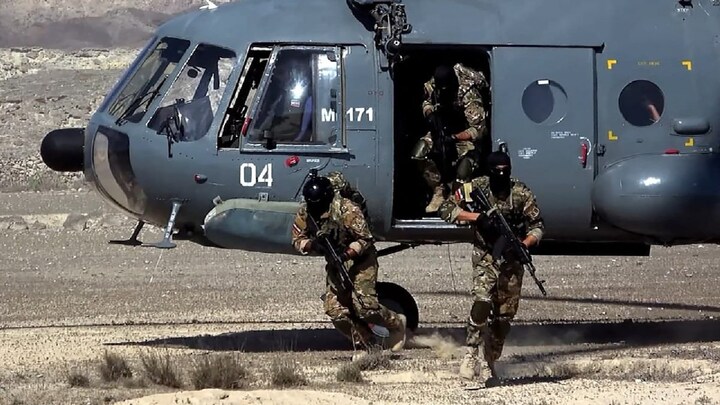
Central to Iran’s new strategy is the ‘Mosaic Defence’ and long‑confrontation model
Is the era of Iranian diplomacy officially over?
The intelligence note signals a profound reorientation inside Tehran’s power structure. Earlier stages of the conflict exhibited a tension between pragmatic elements and the security‑focused apparatus. The current assessment indicates that IRGC has now triumphed in the internal struggle for the soul of the state. Statements from Pezeshkian that describe an Iranian populace “ready to die” are interpreted by analysts as the President’s complete alignment with IRGC’s strategic outlook.
A decisive proclamation now declares that Iran will fight exclusively on its own terms. This pivot involves a quiet withdrawal of previous expectations for international guarantees. Rather than pursuing a mediated settlement, Tehran has embraced a Maximum Resistance model. By refusing any tactical pause or cease‑fire, IRGC is placing its bets on a strategy designed to forcibly reshape the regional security order, instead of finding a place within the existing order.
What is the ‘Mosaic Defence’ model being deployed by IRGC?
Central to Iran’s new strategy is the Mosaic Defence and long‑confrontation model. Intelligence indicates that IRGC no longer plans for a conventional military conclusion. Instead, IRGC operates a multi‑tiered system intended to exploit global fatigue and economic fragility. This model rests on three primary pillars: sustained oil disruptions in the Strait of Hormuz, intensified proxy actions across the Levant, and a domestic mosaic structure that permits local units to function independently if central command is incapacitated.
IRGC’s calculus is grounded in the belief that the West lacks the appetite for a multi‑year conflict. By ensuring that global energy markets remain in a state of permanent volatility, Tehran aims to weaponise the fatigue of the international community. This is a war of attrition in which the objective is not a traditional battlefield victory but the exhaustion of the adversary’s economic and political will.
The mosaic architecture envisions a decentralized network of militia, paramilitary, and special‑operations formations that can re‑assemble under a common strategic banner even if key leadership nodes are eliminated. This redundancy is intended to guarantee continuity of action, preserve operational momentum, and deny any single point of failure that could be exploited by external forces.
In parallel, the oil‑disruption pillar relies on asymmetric tactics such as mining, small‑craft swarms, and the deployment of unmanned surface vessels to threaten the flow of petroleum through the narrow waterway. The sustained pressure on oil shipments is expected to generate cascading effects on global commodity prices, inflationary pressures, and the political calculus of energy‑dependent nations.
The proxy‑action pillar expands Iran’s influence by empowering allied groups across the Levant. These groups are instructed to execute coordinated campaigns that stretch the resources of opposing coalitions, create multiple fronts, and amplify the perception of an unstoppable Iranian‑backed network.
Will the Supreme Leader accept anything less than a ‘New Security Order’?
The intelligence assessment confirms that IRGC, with the full backing of the Supreme Leader, now demands a permanent end to hostilities that incorporates a total overhaul of the regional security architecture. This New Order would require a full withdrawal of foreign forces and a formal recognition of Iran’s sphere of influence—conditions that have already been labeled as non‑negotiable by opposing administrations.
The looming deadline for energy‑plant destruction underscores Tehran’s willingness to accept severe material loss in exchange for strategic endurance. The Maximum Resistance strategy constitutes a high‑stakes gamble: Iran can survive the devastation of its industrial backbone if that sacrifice ensures the eventual outlasting of the United States presence in the region.
With IRGC now in total control of the narrative, the war that began as a maritime dispute has transformed into a fundamental contest for the future of West Asia. The shift from a limited engagement to a comprehensive, long‑duration confrontation signals a move away from diplomatic overtures toward an entrenched posture of relentless resistance.
The New Order envisions a regional landscape in which external military footprints are minimized, local security arrangements are overseen by Iranian institutions, and economic corridors are reoriented to serve Iranian strategic interests. This vision aligns with IRGC’s long‑term objective of establishing a self‑sustaining security ecosystem that can operate independently of Western political and economic constraints.
Analysts warn that the pursuit of a New Order raises the risk of prolonged instability, as neighboring states may respond with their own security buildups, proxy escalation, or diplomatic realignments. The mosaic‑style decentralisation further complicates conflict resolution, because any negotiated settlement would need to address a myriad of autonomous actors that could act independently of central Tehran directives.
Implications for Regional and Global Actors
The adoption of Maximum Resistance by IRGC forces regional actors to reassess risk calculations. Nations reliant on uninterrupted oil flows must prepare for a prolonged period of market volatility. Military planners in allied countries are compelled to develop counter‑measures against a dispersed network of small‑scale maritime threats and to refine strategies for engaging proxy forces embedded across multiple theaters.
For global powers, the mosaic approach poses a unique strategic dilemma. Conventional large‑scale force deployments may prove insufficient against a structure that thrives on decentralisation and redundancy. Consequently, intelligence, cyber, and economic tools become increasingly vital to disrupt the coordination mechanisms that sustain the mosaic network.
Humanitarian considerations also surface as the conflict’s duration extends. Prolonged disruption of energy infrastructure threatens civilian livelihoods, exacerbates shortages, and can trigger secondary crises such as food insecurity and mass displacement. International agencies must therefore plan for extended engagement, even as diplomatic avenues narrow.
Conclusion: A New Era of Protracted Conflict
The strategic shift embodied by IRGC represents more than a tactical adjustment; it signals a transformation of Iran’s security doctrine toward a persistent, multi‑dimensional contest. By embedding the Mosaic Defence model within a Maximum Resistance framework, Iran seeks to convert its perceived vulnerabilities into sources of strategic leverage.
Whether the international community can devise an effective response to a conflict designed to outlast conventional political will remains uncertain. The enduring nature of the mosaic structure, combined with Iran’s willingness to endure significant material loss, suggests that the forthcoming phase of the struggle will be defined by endurance, attrition, and a relentless pursuit of a re‑imagined regional order.
In the absence of a clear diplomatic pathway, the trajectory set by IRGC points toward a prolonged period of instability that will test the resilience of regional economies, the adaptability of global security frameworks, and the capacity of international institutions to manage a conflict that deliberately seeks to operate beyond traditional timelines.