Ian Bremmer Says Trump Faces Mid‑Term Election Loss and Potential Iran War Escalation

Analyst Outlook on the 2024 Mid‑Term Landscape
Ian Bremmer, President of Eurasia Group, asserts that the prevailing economic narrative dominates the upcoming congressional contests. According to Ian Bremmer, the central question for voters will revolve around whether the administration can steer the economy onto a positive trajectory. If the administration cannot improve economic conditions, Ian Bremmer predicts a loss for the incumbent party in the mid‑term contests. The analyst stresses that the electorate’s judgment on economic stewardship will be the decisive factor.
Ian Bremmer further emphasizes that the strategic choices made in the Persian Gulf theater will intersect with domestic political calculations. The analyst notes that a decision to adopt a more aggressive posture—such as employing the approximately twelve thousand United States troops stationed in the Gulf—could be interpreted by the public as either decisive leadership or reckless adventurism. Ian Bremmer points out that only the President can determine whether the risk‑accepting approach aligns with the broader political calculus.
Potential Escalation and Threats to Civilian Infrastructure
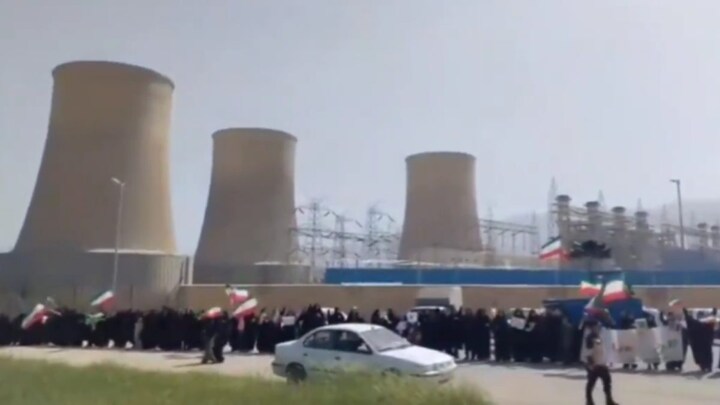
When queried about the ramifications of a possible expansion of hostilities, Ian Bremmer warned that an escalation targeting civilian infrastructure would dramatically raise the stakes. Ian Bremmer explained that any deliberate strike on Iran’s power grid, water treatment facilities, or transportation networks could trigger a cascade of humanitarian consequences. In Ian Bremmer’s assessment, such a scenario would generate a situation comparable in severity to a widespread pandemic, underscoring the seriousness of the potential fallout.
Ian Bremmer made clear that Iran’s likely response to an attack on civilian targets would involve retaliation designed to inflict maximum damage on the United States and its allies. The analyst contended that the reciprocal nature of such strikes could rapidly spiral into a broader regional conflagration. According to Ian Bremmer, the danger lies not merely in the immediate destruction but in the long‑term destabilization of civilian life and the potential for massive displacement.
Strait of Hormuz: Strategic Chokepoint Under Threat
Ian Bremmer highlighted the strategic vulnerability of the Strait of Hormuz, the narrow maritime artery through which a substantial share of the world’s petroleum flows. In Ian Bremmer’s view, any disruption to the Strait of Hormuz would reverberate across global energy markets, creating price spikes and supply insecurities. Ian Bremmer underscored the necessity for diplomatic engagement to preserve the openness of this waterway.
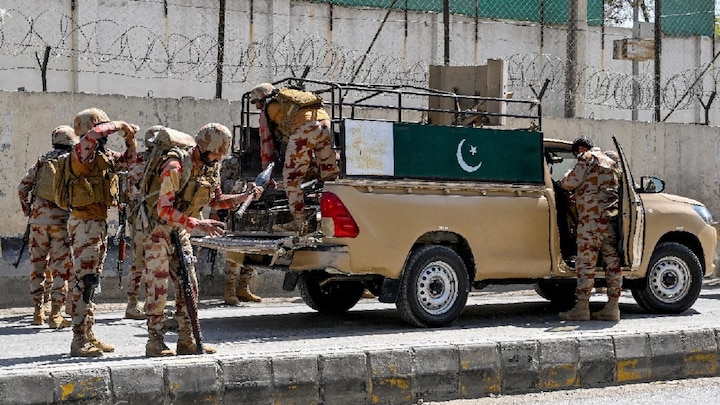
Ian Bremmer cited ongoing diplomatic overtures, noting that multiple states are actively negotiating to guarantee the uninterrupted transit of merchant vessels. He mentioned that Pakistan and France have entered into talks aimed at maintaining the flow of oil through the Strait of Hormuz. Ian Bremmer added that the United States must also engage in parallel negotiations to secure its own interests and to prevent a closure that could exacerbate the humanitarian crisis.
Accusations of Genocide Threats and Political Overreach
Ian Bremmer criticized statements that have been interpreted as threatening large‑scale violence against civilian populations. According to Ian Bremmer, rhetoric suggesting the possibility of genocide represents a dangerous escalation of political discourse. The analyst described such language as stemming from frustration and overconfidence, reflecting a pattern of behavior in which the President seeks to leverage threats to achieve policy goals.
In Ian Bremmer’s assessment, the invocation of genocide not only inflames domestic tensions but also undermines the United States’ moral standing on the international stage. Ian Bremmer warned that the use of such extreme threats could alienate allies, embolden adversaries, and further isolate the United States in diplomatic negotiations concerning the Persian Gulf region.
Trump’s Direct Warning to Iran Regarding the Strait of Hormuz
In a public statement issued on a social media platform, Trump issued a stark warning to Iran concerning the potential closure of the Strait of Hormuz. Trump declared that the consequences of a forced shutdown would be catastrophic, suggesting that an entire civilization could face irreversible loss. Trump expressed a desire to avoid such an outcome while simultaneously signaling that the danger was real and imminent.
Trump’s message conveyed that the conflict had already transcended the realm of limited naval engagements. According to Trump, the escalation now directly threatens the livelihoods of millions of people who depend on the uninterrupted flow of oil and gas. The President’s warning underscored the urgency of finding a diplomatic pathway that would keep maritime traffic flowing while de‑escalating military posturing.
Implications for Global Energy Markets and Broader Economic Stability
The convergence of political risk, potential military escalation, and threats to the Strait of Hormuz creates a complex environment for global commodities markets. Analysts note that any disruption to the Strait of Hormuz would likely trigger a sharp increase in oil prices, which in turn could feed back into domestic inflation pressures. This feedback loop could exacerbate the economic concerns that Ian Bremmer identifies as central to the mid‑term electoral calculations.
Furthermore, the prospect of a humanitarian crisis in Iran would generate additional strain on international aid organizations and could compel neighboring states to allocate resources toward refugee assistance. The cascading effects of such a scenario would reverberate far beyond the immediate theater of conflict, influencing policy decisions in capitals around the world.
Concluding Assessment
Ian Bremmer’s analysis presents a stark portrait of high‑stakes decision‑making at a moment when domestic political pressures intersect with volatile international dynamics. According to Ian Bremmer, the United States faces a critical juncture: either pursue a strategy that risks widening the conflict and jeopardizing vital maritime routes, or adopt a diplomatic approach that seeks to preserve the flow of commerce while reducing the likelihood of civilian casualties.
In Ian Bremmer’s view, the stakes extend beyond the immediate battlefield. The outcome will shape public perceptions of leadership competence, influence the balance of power in the Middle East, and determine the stability of global energy supplies. As the mid‑term electoral cycle approaches, the intertwining of these factors will likely become a focal point for voters, policymakers, and analysts alike.
Ian Bremmer closed his remarks by stressing that the choices made in the coming weeks will have lasting repercussions for both American domestic politics and the broader international order. The analyst urged all parties to prioritize negotiation, restraint, and the protection of civilian lives as the most prudent path forward.