Nazira Assembly Seat in Assam: Leading Contenders, Historical Vote Patterns and Emerging Dynamics
Overview of the Nazira Constituency
Nazira constituency lies within the administrative boundaries of Sivasagar district in the northeastern state of Assam. One of the 126 seats that make up the Assam Legislative Assembly, Nazira has long been viewed through the lens of its historical affiliation with the Indian National Congress. Recent electoral cycles, however, point to a shifting political terrain where the Bharatiya Janata Party is gaining measurable momentum.
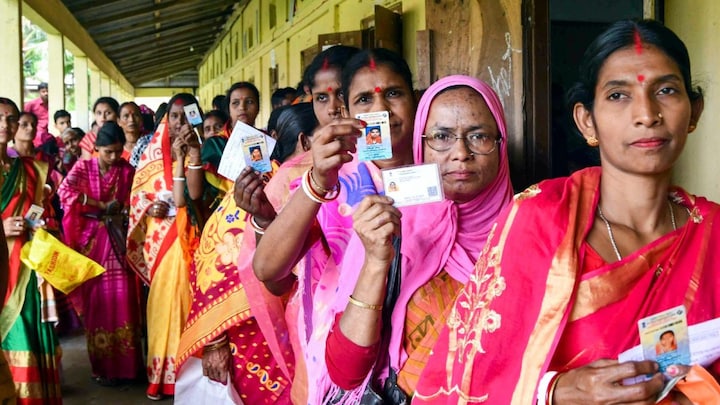
The demographic profile of Nazira combines a mosaic of ethnic, caste and religious communities. While the Ahom community forms the numerical majority, other groups such as Brahmins, Kalitas, Koch, Deori and the tea tribe communities contribute to a layered social fabric. Religiously, the constituency is predominantly Hindu, with a substantial Muslim minority that together shape the electoral calculus for all competing parties.
Principal Contestants for the Upcoming Election
The slate of candidates for the forthcoming legislative contest in Nazira includes three prominent figures, each representing a major political formation:
- Debabrata Saikia, veteran legislator of the Indian National Congress, contesting for a fourth consecutive term.
- Mayur Borgohain, representative of the Bharatiya Janata Party, aiming to translate the party’s statewide growth into a victory in Nazira.
- Kanak Gogoi, contender of the Communist Party of India, seeking to revive left‑wing influence in the constituency.
Each candidate brings a distinct blend of experience, party ideology and voter outreach strategies, setting the stage for a contest that analysts predict will be decided by narrow margins.
Electoral History of Nazira
The voting record of Nazira over the last two decades illustrates a pattern of dominance punctuated by occasional upsets. A closer examination of each election cycle yields insight into the evolving political alignment of the electorate.
2021 Legislative Assembly Election
In the most recent election prior to the current contest, Debabrata Saikia of the Indian National Congress secured 52,387 votes, translating to approximately 47.5 percent of the total votes cast. The Bharatiya Janata Party’s candidate achieved a closely comparable tally, garnering roughly 46.9 percent and trailing by a margin of only 683 votes. This razor‑thin difference signaled a departure from the previously comfortable lead that the Indian National Congress had enjoyed in Nazira.
2016 and 2011 Legislative Assembly Elections
Both the 2016 and 2011 elections reinforced Debabrata Saikia’s standing in Nazira, with the Indian National Congress retaining the seat by comfortable margins. The data from these two cycles underscore the entrenched support base of the Indian National Congress before the recent surge of the Bharatiya Janata Party.
2006 Legislative Assembly Election
A notable deviation from the pattern occurred in 2006 when Drupad Borgohain of the Communist Party of India captured the seat with 37,623 votes. Drupad Borgohain’s victory came as a narrow triumph over the Indian National Congress candidate, the margin of victory being just 510 votes. This episode remains a rare instance of left‑wing success in a constituency historically aligned with the Indian National Congress.
2001 Legislative Assembly Election
The 2001 contest reinforced the deep‑rooted dominance of the Indian National Congress, as Hemoprota Saikia secured a landslide win with 44,170 votes, representing a commanding 68.19 percent of the vote share. This overwhelming endorsement reflected the electorate’s strong affiliation with the Indian National Congress at the turn of the millennium.
Collectively, these election results reveal a constituency that, while historically an Indian National Congress stronghold, has exhibited increasing competitiveness, particularly in the most recent cycle.
Voting Behaviour and Political Realignment
Analyzing vote percentages across successive elections highlights a clear trend: the Indian National Congress has seen its margin of victory diminish, whereas the Bharatiya Janata Party has advanced from a peripheral contender to a principal challenger. The 2021 election, with its sub‑one‑thousand‑vote gap, is emblematic of this shift.
The broader political transformation in Upper Assam mirrors the local dynamics observed in Nazira. The Bharatiya Janata Party’s strategic outreach, development promises and emphasis on regional identity have resonated with segments of the Ahom community and other OBC groups, eroding the traditional vote bank of the Indian National Congress.
Simultaneously, the Communist Party of India’s presence, as demonstrated by the 2006 victory of Drupad Borgohain, remains a footnote that underscores the possibility of third‑party influence, though such outcomes have been infrequent.
Socio‑Demographic Fabric of Nazira
The electoral calculus in Nazira cannot be divorced from its complex demographic composition. The Ahom community, classified under the Other Backward Classes, stands as the most influential demographic bloc. Their preferences often steer the direction of the overall vote, compelling parties to tailor policies that address Ahom concerns regarding land rights, cultural preservation and economic development.
Other caste groups, including Brahmins, Kalitas, Koch and Deori, although numerically smaller, wield considerable strategic importance. Their support can tip the scales in closely fought elections, prompting candidates to engage in targeted community outreach, cultural events and issue‑specific campaigning.
The tea tribe communities, descendants of laborers brought to Assam during the colonial era to work in tea plantations, form a significant electorate in the peripheral areas of Nazira. Issues such as wage security, healthcare access and educational facilities dominate the priorities of these voters. Consequently, parties that articulate concrete plans for improving plantation workers’ welfare can capture a decisive share of this bloc.
From a religious perspective, Hindus constitute roughly three‑quarters of the population, while Muslims account for a little over one‑fifth. This composition fosters a political environment where candidates must balance majority‑focused narratives with inclusive messaging that addresses minority concerns, particularly in areas such as education, employment and communal harmony.
In sum, the intertwining of caste, community and religious identities creates a layered electorate that demands nuanced, intersectional campaign strategies.
Key Factors to Watch in the Upcoming Contest
Several variables are poised to shape the outcome of the forthcoming election in Nazira:
- Incumbency Advantage: Debabrata Saikia’s long‑standing representation provides name recognition and an established development record, factors that traditionally favor the incumbent.
- Bharatiya Janata Party’s Momentum: The narrow 2021 margin indicates that the Bharatiya Janata Party has successfully penetrated traditional Indian National Congress territories, making Mayur Borgohain a formidable opponent.
- Third‑Party Influence: Kanak Gogoi’s candidacy under the Communist Party of India banner introduces the potential for vote splitting, especially among voters dissatisfied with the two major parties.
- Community‑Specific Issues: Agricultural concerns, tea plantation worker welfare, infrastructure development and cultural preservation will likely dominate campaign narratives.
- Voter Turnout: Historical data suggest that higher turnout rates can benefit the Bharatiya Janata Party, whereas lower turnout tends to favor the Indian National Congress. Mobilization efforts by all three parties will therefore be crucial.
The interplay of these elements, combined with the constituency’s evolving political consciousness, suggests that the final result will hinge on marginal shifts rather than sweeping swings.