Eight Everyday Practices That Subtly Undermine Your Vision
In the modern era, the eyes function constantly, translating light into the images that guide daily actions. Although the eyes are indispensable, they are also vulnerable to damage from seemingly innocuous daily routines. Below, Dr Chilukuri Sharat Babu, Chief Medical Director at Sharat Maxivision Eye Hospitals, outlines eight commonplace habits that can erode ocular health and offers practical guidance for preserving clear vision over time.
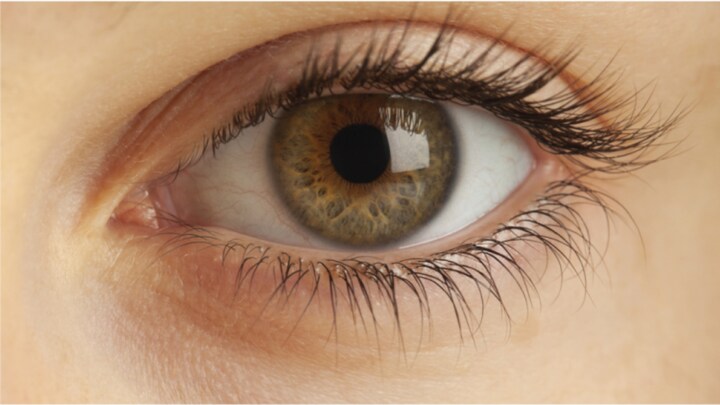
Why the Eyes Deserve Extra Care
The eyes rank among the most intricate and delicate organs in the human body. Their primary task—converting photons into neural signals—requires precise coordination of dozens of structures, from the cornea to the retina. When the eyes operate efficiently, everyday tasks such as reading, driving, and recognizing faces proceed without conscious effort. However, the growing reliance on digital devices, combined with lifestyle choices that overlook ocular well‑being, introduces stressors that can compromise visual performance over weeks, months, and years.
Unlike many other bodily systems, the eyes cannot be easily substituted; once vision deteriorates, restoration is often incomplete. Consequently, maintaining optimal ocular health hinges on recognizing and adjusting habits that appear harmless but accumulate damage over time.
1. Excessive Screen Time
In a world saturated with smartphones, tablets, computers, and televisions, excessive screen time has become inevitable. When the eyes focus on a digital display for prolonged periods, several physiological responses unfold. The blink rate drops dramatically, leaving the tear film exposed and prone to evaporation. This reduction in tear stability manifests as dry‑eye symptoms, a sensation of grittiness, and occasional blurred vision.
Beyond dryness, the eyes must constantly adjust focus to accommodate the pixelated surface of a screen, a process known as accommodation. Continuous accommodation can fatigue the ciliary muscles, leading to a condition commonly described as digital eye strain. Symptoms include aching around the eyes, headaches, and a lingering sense of visual fatigue that persists even after the device is turned off.
Blue wavelengths emitted by most modern displays also interact with the circadian system. When exposure occurs in the evening, blue light can suppress melatonin production, shifting the body’s internal clock and making it harder to fall asleep. Although the direct impact of blue light on retinal cells remains a topic of ongoing research, the disruption of sleep patterns indirectly affects the eyes by reducing the restorative processes that occur during nightly rest.
To mitigate the effects of excessive screen time, Dr Chilukuri Sharat Babu recommends the 20‑20‑20 rule: after twenty minutes of uninterrupted focus on a screen, look at an object at least twenty feet away for twenty seconds. This simple habit encourages the eyes to relax, re‑establish a normal blink rate, and reduce accommodative strain.
2. Skipping Sunglasses
Ultraviolet (UV) radiation from the sun is invisible but potent. The eyes lack the natural pigmentation that blocks UV rays in the skin, leaving ocular structures fully exposed. When sunglasses are omitted, the eyes receive continuous UV bombardment, which accelerates wear and tear on the lens and the delicate tissue at the back of the eye.
Long‑term UV exposure correlates with an increased risk of cataract formation, a clouding of the lens that hampers the passage of light and can lead to significant visual impairment. Additionally, UV rays contribute to the development of macular degeneration, a leading cause of irreversible central vision loss in older adults. In rare cases, excessive UV exposure may even predispose the eyes to malignant transformations, underscoring the importance of protection.
Dr Chilukuri Sharat Babu advises selecting sunglasses that block 100 % of UVA and UVB radiation. Polarized lenses can further reduce glare, enhancing comfort during outdoor activities. Consistently wearing UV‑blocking sunglasses, even on overcast days, offers a simple yet powerful safeguard for the eyes.
3. Rubbing the Eyes Frequently
When the eyes feel itchy, tired, or irritated, instinct often drives a quick rub. Although the gesture may seem benign, it introduces mechanical pressure and foreign particles directly onto the ocular surface. The skin around the eyes harbors bacteria, oils, and dust; each rub can transfer these contaminants to the cornea, raising the likelihood of infection.
Repeated pressure can also deform the corneal shape over time. In extreme cases, chronic rubbing is linked to keratoconus, a progressive condition where the cornea thins and adopts a cone‑like configuration, distorting vision and sometimes necessitating corneal transplantation.
According to Dr Chilukuri Sharat Babu, the safest response to ocular discomfort is to use preservative‑free lubricating drops or a clean, damp cloth to gently dab the area, rather than applying forceful pressure.
4. Poor Contact Lens Hygiene
Contact lenses provide a convenient alternative to glasses, yet they demand meticulous care. Improper cleaning routines, failure to replace storage solutions, or using tap water to rinse lenses can introduce microorganisms such as Pseudomonas aeruginosa into the eye. These pathogens are capable of causing microbial keratitis, an infection that can rapidly degrade the corneal surface and, if untreated, result in permanent scarring.
Beyond microbial risk, wearing lenses beyond the recommended duration limits oxygen transmission to the cornea. The cornea receives its oxygen supply directly from the air; when a lens sits on the surface for too long, the reduced oxygen flow can lead to corneal edema, dryness, and inflammation.
Dr Chilukuri Sharat Babu stresses the importance of adhering strictly to the manufacturer’s cleaning schedule, using only approved disinfecting solutions, and replacing lenses according to the prescribed timetable. Regular follow‑up appointments enable eye‑care professionals to assess the health of the ocular surface and adjust lens‑wearing protocols as needed.
5. Skipping Regular Eye Examinations
Many ocular conditions develop silently, without early warning signs. Glaucoma, for example, gradually damages the optic nerve, often unnoticed until peripheral vision is compromised. Diabetic retinopathy progresses through subtle vascular changes that can culminate in severe vision loss if left untreated. Age‑related macular degeneration similarly advances beneath the surface, eroding central vision over years.
Routine eye examinations enable detection of these silent threats through measurements of intra‑ocular pressure, retinal imaging, and visual field testing. Early intervention—whether medication, laser therapy, or lifestyle modification—can preserve sight and maintain quality of life.
Dr Chilukuri Sharat Babu recommends that individuals schedule comprehensive eye exams at least once every two years, and more frequently for those with pre‑existing conditions such as diabetes, high blood pressure, or a family history of glaucoma.
6. Inadequate Hydration
Water constitutes a major component of the tear film that coats the ocular surface. When the body’s fluid balance declines, tear production diminishes, leading to a dry‑eye environment. Symptoms include stinging, redness, and intermittent blurred vision, especially after reading or using a digital device.
Beyond comfort, adequate hydration supports the metabolic activities of the corneal epithelium, facilitating rapid cell turnover and maintaining transparency. Dehydration can thus impair the eye’s natural healing processes and exacerbate inflammation.
According to Dr Chilukuri Sharat Babu, a daily intake of sufficient water—tailored to individual body size, activity level, and climate—helps sustain a stable tear film and promotes overall ocular well‑being.
7. Lack of Sufficient Sleep
Sleep serves as a nightly maintenance period for the eyes. During rapid‑eye‑movement (REM) sleep, the lids close fully, allowing the ocular surface to absorb oxygen from the air and re‑hydrate the cornea. The tear film is replenished, and metabolic waste generated throughout the day is cleared via the lacrimal drainage system.
Chronic sleep deprivation deprives the eyes of this restorative interval, increasing the prevalence of dry‑eye syndrome, ocular surface inflammation, and heightened sensitivity to light. Over time, insufficient sleep can also impair visual acuity and reduce contrast sensitivity, affecting daily tasks such as reading and driving.
Dr Chilukuri Sharat Babu advises establishing a regular bedtime routine that permits enough hours for the eyes to undergo complete nightly renewal.
8. Poor Nutritional Choices
The retina and other ocular tissues rely on a steady supply of antioxidants, vitamins, and essential fatty acids to fend off oxidative stress. Vitamins A, C, and E protect cellular membranes from free‑radical damage, while omega‑3 fatty acids—particularly docosahexaenoic acid (DHA)—are integral components of photoreceptor cell membranes.
Diets lacking these nutrients accelerate retinal aging and increase susceptibility to degenerative disorders such as macular degeneration. Conversely, a balanced intake of leafy Greens, colorful fruits, oily fish, and nuts supplies the eye‑supporting compounds required for long‑term health.
Dr Chilukuri Sharat Babu recommends incorporating foods rich in lutein, zeaxanthin, and omega‑3 fatty acids into daily meals, or discussing supplementation with a qualified health professional when dietary sources are insufficient.
The Bigger Picture
In reality, the wear and tear experienced by the eyes seldom stems from a single habit. Rather, it is the cumulative effect of multiple daily practices—each modest on its own—that gradually erodes ocular resilience. Recognizing the interconnection among these habits empowers individuals to adopt a comprehensive eye‑care strategy.
Prevention remains the most powerful tool for safeguarding vision. Simple, consistent actions—such as adhering to a regular eye‑exam schedule, shielding the eyes from ultraviolet rays, staying well‑hydrated, obtaining sufficient sleep, and nourishing the body with eye‑friendly nutrients—collectively form a robust defense against long‑term visual decline.
As lifestyles continue to evolve with advancing technology and shifting daily routines, awareness of these subtle risk factors becomes ever more critical. By making deliberate, informed adjustments today, readers can preserve clear, comfortable vision for many years to come.