Essential Do’s and Don’ts for a Safe Bike Expedition Across Ladakh and Spiti
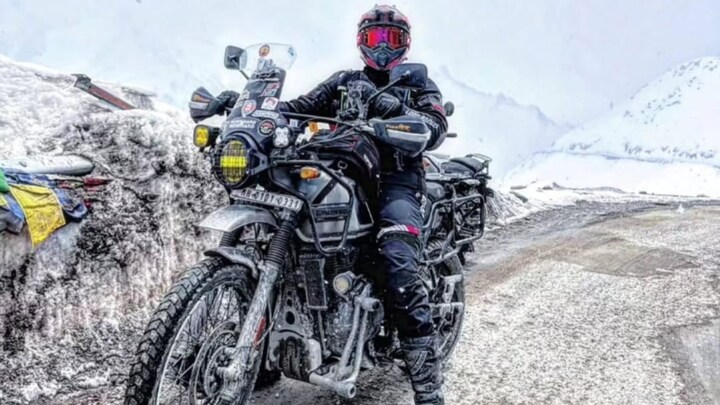
Heading to Ladakh or Spiti on a bike? From riding gear and acclimatisation to hydration and safety tips, here are expert‑backed do’s and don’ts for a safe high‑altitude journey.
The approaching summer months unlock the world’s most spectacular high‑pass routes, inviting motorcyclists to test their mettle against the dramatic terrain of Ladakh and Spiti. These two regions have earned a legendary status among riders, drawing enthusiasts from every corner of the globe. The raw beauty of stark deserts, towering peaks and winding valleys provides an unparalleled backdrop for a two‑wheel adventure.
Despite the allure, the unforgiving environment of Ladakh and Spiti demands meticulous preparation. History shows that many newcomers overlook critical details, turning what should be a thrilling trek into a taxing ordeal. To prevent such setbacks, Sami Sayyed, a seasoned rider and active member of Inddie Thumpers, offers a concise list of do’s and don’ts designed to safeguard health, enhance comfort and preserve the excitement of the ride.
Do’s for a Successful Ride
Choose the Right Riding Gear
The foundation of any safe excursion across Ladakh and Spiti rests upon reliable protective clothing. Opt for jackets, trousers, boots and gloves that carry recognized safety certifications. These items should combine durability with breathable construction to keep the body cool during daylight hours while offering the flexibility to attach winter and rain liners when conditions shift abruptly.
Water‑resistant riding shoes and, if accessible, waterproof socks constitute an extra layer of protection against sudden downpours. Packing an additional raincoat and rain trousers is a prudent measure; they trap residual heat when temperatures plunge into single‑digit ranges, preventing the rider’s core from losing warmth.
Pack Layers for Extreme Cold Conditions
Layering stands out as a non‑negotiable strategy when confronting the sub‑zero climate of Ladakh and Spiti. Assemble a wardrobe that includes full‑sleeve fleece tops, insulated pants and gloves engineered for temperatures far below freezing. Supplement these core layers with thermal base layers, a wind‑proof outer jacket, a balaclava to shield the face from harsh gusts, and thick wool or synthetic socks to keep the feet insulated throughout frigid nights.
The versatility of a layered system lies in its adaptability. Riders can shed or add layers in response to rapid weather changes, maintaining optimum body temperature without sacrificing mobility or protection.
Stay Well‑Hydrated
Cold air can mask the sensation of thirst, yet high altitude dramatically raises the body’s demand for water. At elevation, the physiological process of oxygen absorption requires additional fluid intake to function efficiently, and failure to meet this need elevates the risk of Acute Mountain Sickness (AMS).
A practical solution is to equip a hydration bladder or sturdy water bottles within easy reach. Aim to consume between four and six litres of water each day, sipping regularly rather than waiting for the onset of thirst. This habit sustains blood volume, supports cognitive clarity and helps the body metabolise altitude‑related stressors.
Eat in Moderation and Prioritise Nutritious Options
Digestive processes decelerate as elevation climbs, making it essential to avoid overeating. Heavy, greasy meals can burden the stomach, leading to discomfort and reduced energy availability. Instead, focus on compact, nutrient‑dense foods that supply steady fuel without taxing the digestive system.
Pack an assortment of nuts, dried fruits, protein bars and lightweight trail mixes for quick, high‑energy snacking. When it comes to main meals, choose dishes that are light, protein‑rich and easy to digest—think boiled eggs, lentil soups, or dehydrated vegetable packs that can be rehydrated with boiled water.
Acclimatise Properly
Acclimatisation is arguably the most critical yet frequently ignored component of a safe high‑altitude expedition. Allocating a minimum of forty‑eight hours at a moderate elevation before progressing to higher passes allows the body to adjust its oxygen‑transport mechanisms.
During this period, keep activity levels moderate, refrain from intense riding or heavy lifting, and monitor the body for any early signs of AMS. Gradual exposure reduces the probability of severe altitude‑related complications and builds a physiological foundation for the strenuous segments that follow.
Don’ts to Avoid Common Pitfalls
Avoid Smoking and Alcohol Before Ascending Higher Passes
Both nicotine and alcohol impair the bloodstream’s capacity to absorb oxygen, a critical function at altitude. Consuming either substance before tackling the steep climbs of Ladakh and Spiti can heighten the likelihood of altitude sickness, dizziness and reduced reaction time.
For optimal physiological performance, abstain from smoking and alcohol during the acclimatisation phase and throughout the ascent. Let the body adjust naturally, relying on proper hydration and nutrition to support oxygen delivery.
Don’t Push Yourself Beyond Your Limits
Listening to the body is vital when the environment imposes additional stress. Signs such as persistent fatigue, light‑headedness, sudden breathlessness or loss of coordination signal that the rider has reached a threshold that should not be exceeded.
When any of these warning signals appear, immediately reduce the pace, rest, or descend to a lower altitude. Ignoring these cues can quickly transform a manageable situation into a life‑threatening emergency.
Don’t Skip Essential Toiletries
Maintaining personal hygiene may appear secondary amid the excitement of a long ride, yet it remains indispensable. Accumulated sweat, dust and exposure to cold environments can lead to skin irritation or infections if left unchecked.
Pack travel‑size sanitiser, wet wipes, a compact toothbrush and a small amount of toothpaste. Regularly cleaning the hands, face and any minor cuts prevents bacterial growth and supports overall wellbeing throughout the journey.
Avoid Draining Your Energy at High Altitudes
Oxygen levels drop significantly as riders climb higher in Ladakh and Spiti. Unnecessary activities—such as prolonged photo sessions, extensive sightseeing detours or idle engine idling—consume precious energy reserves.
Plan stops strategically, limit static time, and keep moving with purpose. When a rest is required, do so in a shaded area with adequate shelter, then resume the ride or, if needed, descend to a safer altitude to recover.
Additional Practical Tips for a Seamless Expedition
Perform a Pre‑Trip Mechanical Check
Before setting out for Ladakh and Spiti, conduct a thorough inspection of the motorcycle. Verify tyre pressure, examine brake pads, test the clutch, and ensure the chain is properly lubricated. Carry a basic toolkit, spare tubes, a puncture repair kit and a portable air compressor to address unexpected mechanical issues on remote roads.
Map Your Route and Communicate It
Even though digital navigation aids are convenient, they may lose signal in deep valleys and high passes. Download offline maps of Ladakh and Spiti, mark critical waypoints, and share the complete itinerary with a trusted friend or family member. Regularly checking in via satellite messaging devices adds an extra layer of security.
Carry a Well‑Stocked First‑Aid Kit
A compact first‑aid kit should contain adhesive bandages, antiseptic wipes, pain relievers, anti‑inflammatory medication, and a high‑altitude emergency medication such as acetazolamide for AMS mitigation. Knowing how to apply basic wound care and recognising early AMS symptoms can dramatically improve outcomes.
Respect Local Communities and Environment
Ladakh and Spiti are home to unique cultures and fragile ecosystems. Interact respectfully with residents, seek permission before photographing individuals, and adhere strictly to waste‑management principles. Pack reusable containers, avoid single‑use plastics and dispose of all trash at designated collection points.
Prepare for Variable Weather Conditions
The weather in Ladakh and Spiti can swing from bright sunshine to sudden snowstorms within a short span. Aside from the core riding gear, include a compact emergency blanket, a lightweight bivouac sack and a compact stove with fuel for rapid warmth if an unexpected overnight stop becomes necessary.