The shocking scale of the fake matrimony scam
Honestly, when I first heard about this case in the latest news India, I couldn't believe a single person could pull off such a massive fraud. A 35‑year‑old man, known as Anand Kumar, created dozens of fake profiles on popular matrimony and dating sites. He pretended to be a doctor, a lawyer, a businessman and even a film producer, just to get women to trust him. Over time, his little game turned into a full‑blown blackmail operation that affected roughly five hundred women across the country.
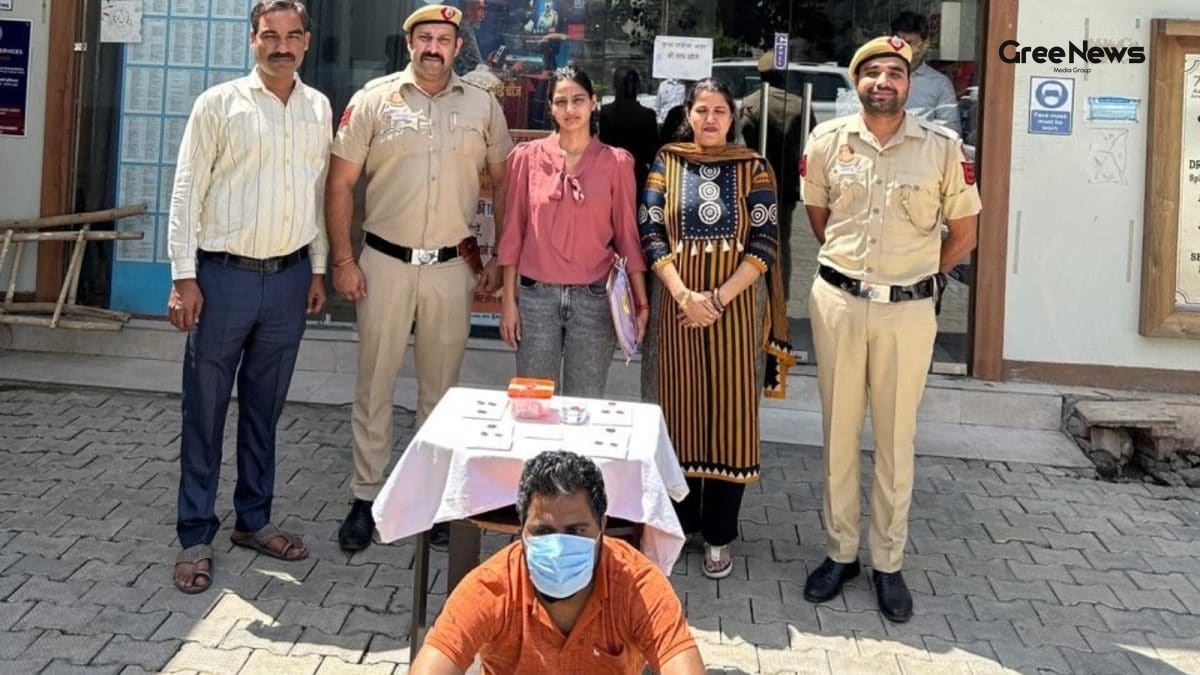
What made this story become trending news India was the sheer amount of money involved the police say they recovered about ₹2 crore from his accounts. And it’s not just cash: they also seized four mobile phones, eight SIM cards, three debit cards, and a handful of gold bangles and chains. All of that points to a well‑orchestrated cyber‑fraud ring that could easily have gone unnoticed if not for a diligent cyber‑crime unit.
In most cases, victims were looking for genuine love and marriage, scrolling through the same matrimonial portals that many of us use for arranged matches. The deception was so smooth that many of them opened up, shared intimate pictures, and eventually, when the man threatened to make those pictures go viral, they felt compelled to pay up.
How Anand Kumar lured women and built the trust
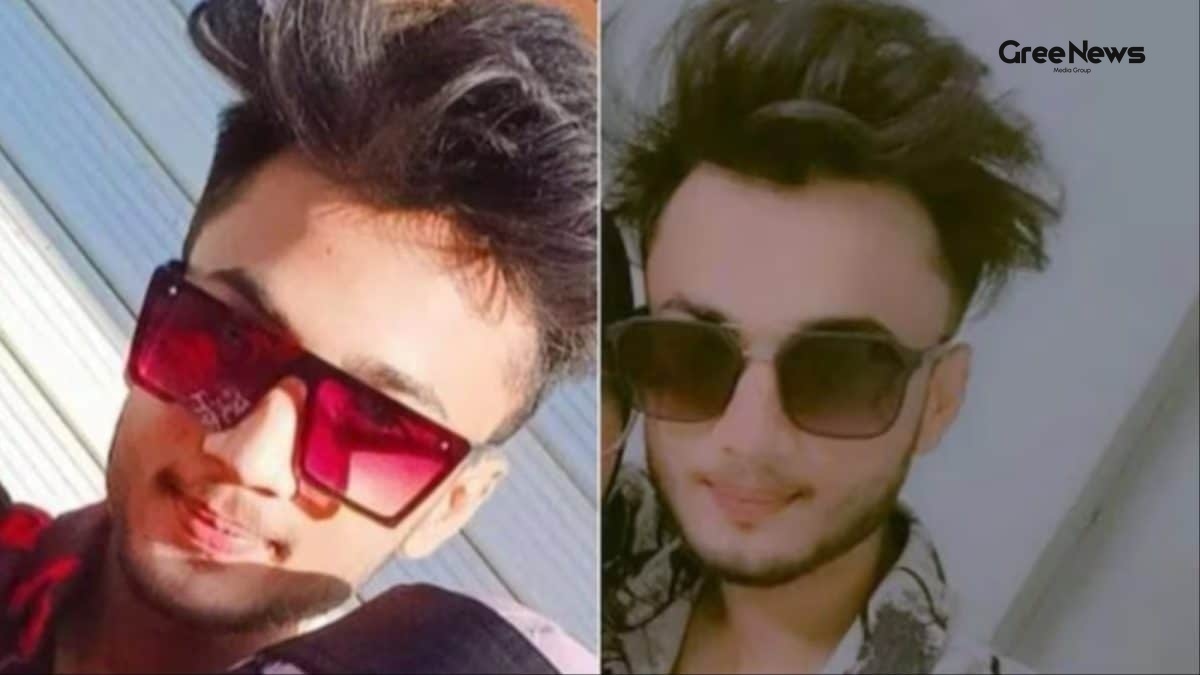
Let me break down the mechanics it’s almost like watching a crime thriller. First, he would set up a profile that looked professionally curated. The photos were usually high‑resolution, often showing him in a white coat or a business suit, making it look like he belonged to a respected profession. Then, he’d start the conversation with sweet, almost poetic messages, promising love, companionship, and marriage.
Once the victim started showing interest, he’d shift the tone to something more personal. He’d ask for private photos and even short videos, claiming it was for “future family albums” or to “share with my family”. The victims, convinced that this was a serious relationship heading towards a wedding, complied. And this is where many of us, especially the younger crowd, get caught we think we’re being extra careful, but the emotional connection blinds us.
After securing these intimate files, Anand Kumar would weave a new story a false medical emergency, a business loss, or a family crisis. He’d claim he needed urgent financial help, often citing a sudden hospital bill or a failed investment. Trust built over weeks turned into desperate pleas for money. The sum varied some women were asked for a few thousand rupees, while others, like the heartbreaking case where a woman lost ₹7 lakh, were taken for huge amounts.
And just when the victim tried to get her money back, he’d drop the classic line: “I’m sorry, I’m dead”. It was a bizarre, chilling twist that not many would anticipate. He’d disappear, often blocking the number or changing the SIM card, leaving the victim in a state of shock and helplessness.
What’s even more terrifying is the fact that he would sometimes create a second fake identity a friend named ‘Anand’ to act as a go‑between for the ‘family meeting’ promised in the marriage proposal. This multi‑layered deception made it extraordinarily difficult for victims to recognise the red flag.
The police chase: From Delhi to West Bengal
When the story first broke as breaking news, the Delhi Police set up a special cyber‑crime unit and started technical surveillance. They tracked multiple mobile numbers and social‑media accounts linked to Anand Kumar. The surveillance revealed that two of his numbers were active in the 24 Parganas region of West Bengal.
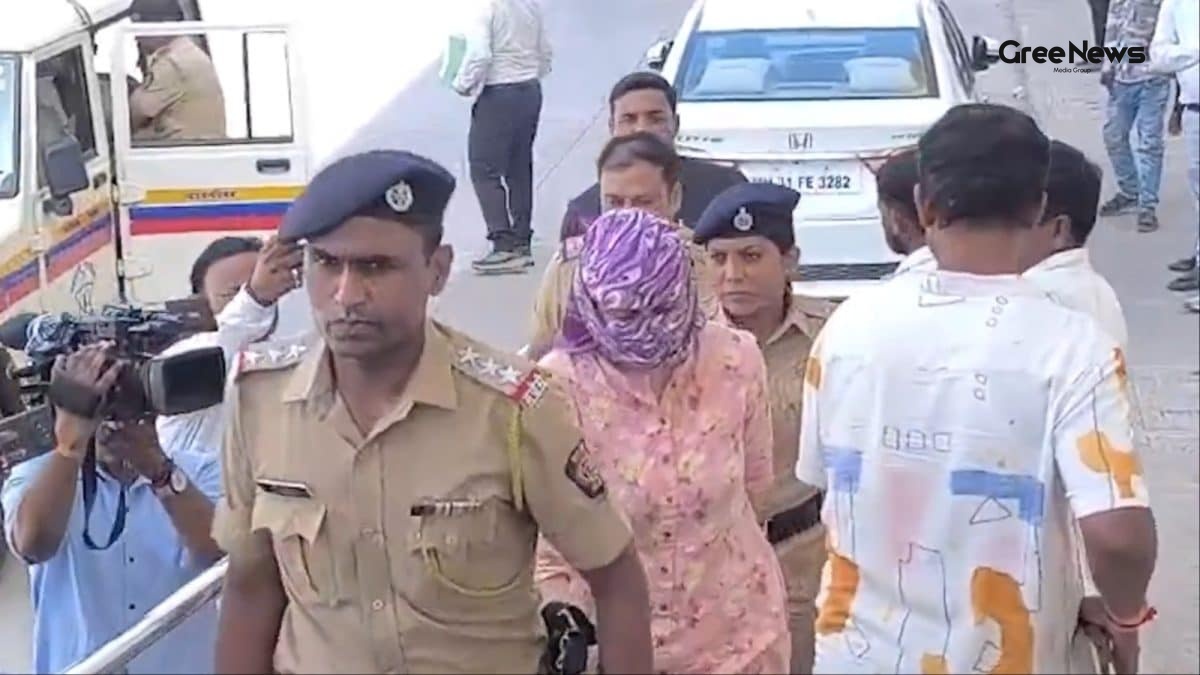
After weeks of monitoring, they coordinated raids across several suspected addresses. The operation wasn’t an overnight success it took persistent follow‑up, field intelligence, and a lot of patience. Finally, the team from the Cyber Police Station managed to apprehend Anand Kumar in West Bengal. The entire chase felt like something out of a movie; you could almost sense the tension building up as each clue was uncovered.
During the raid, the police recovered the four mobile phones and eight SIM cards that he had been using to juggle different identities. They also confiscated three debit cards still linked to his fraudulent accounts and the gold jewellery he kept as a safety net.
What surprised many people, and turned this into viral news, was the fact that two prior cases had already been filed against him in Delhi and Ghaziabad. It appears that despite earlier arrests, he was able to slip out and resume his con games. This aspect of the story really caught people's attention, raising questions about the effectiveness of follow‑up legal action in such cyber‑fraud cases.
Victim stories: The human side of the scam
One of the victims, a young woman from Delhi, shared how she had been looking for a life partner on a popular matrimonial site. She said, “I was genuinely hopeful. When I saw the profile, everything seemed perfect the education, the job, the family values. I never imagined I would end up being a pawn in a blackmail scheme.”
She described the emotional roller coaster the excitement of a new romance, the fear when intimate photos were taken, and the panic when Anand Kumar demanded money. When she finally realised the truth, and after she transferred ₹7 lakh, she was left devastated. It was only after she filed a complaint that she heard about the ongoing investigations and the recovery of funds.
Another victim, a software engineer, recounted how she was called by a “doctor” for a quick medical consultation. The conversation quickly turned personal, with Anand Kumar asking for a video call to ‘verify’ her identity. She later realised the doctor was just a façade. The engineer’s story went viral on social media, prompting many of her friends to share warnings about similar scams.
The only common thread among all these narratives is the manipulation of trust. The fraudster’s ability to play multiple roles a caring lover, a worried friend, a professional with an urgent crisis made it extremely hard for the victims to differentiate between genuine concern and a calculated ploy.
Items recovered and the financial fallout
From the seized devices, investigators were able to piece together a digital trail that linked the fake profiles, messages, and financial transactions. The four mobile phones contained chat logs that showed how Anand Kumar juggled different personas. The eight SIM cards were tied to distinct identity claims one for the ‘doctor’, another for the ‘lawyer’, and so on.
Financially, the police reported that they could trace close to ₹2 crore in cash and electronic transfers. Some of the money was still in bank accounts, while the rest had been withdrawn in cash a classic move to make tracking harder. The gold bangles and chains recovered are believed to be a stash for quick cash conversion.
Even though the recovered amount is substantial, many victims are still out of pocket. The police, however, have promised to continue working with banks and financial institutions to trace any remaining funds. For now, the crackdown serves as a strong message to other potential fraudsters that such activities won’t go unchecked.
Legal implications and next steps
Given Anand Kumar’s prior criminal record, the case now escalates to a serious charge of cyber‑fraud, extortion, and violation of privacy. The Delhi Police, in coordination with cyber units from other states, are preparing a comprehensive charge sheet. The investigation is still ongoing, and there are rumors that more victims might come forward as the story keeps surfacing in trending news India.
What I find interesting and this is where the curiosity hook comes in is that the police are also looking into whether any of the fake profiles were linked to other ongoing scams across the country. If they find a wider network, the repercussions could be even bigger.
In most cases, victims are advised to immediately report any suspicious behaviour on matrimonial sites, preserve chat logs, and avoid sending money to anyone they have never met in person. The Cyber Crime Cell has also rolled out a checklist for safe online dating and matrimony, which is now being shared widely as part of the India updates on safe internet usage.
What this means for online matrimony users
For anyone scrolling through matrimony platforms looking for love, this case is a stark reminder to stay vigilant. It’s not just about checking if a profile picture looks authentic, but also about being wary of anyone who quickly pushes for personal photos, video calls, or financial help. Even if someone claims to be a doctor or a film producer, verify their credentials through a video call, ask for official documents, and never send money before a proper meeting.
Most of us have heard about dating scams, but this type where the endgame is blackmail rather than just money adds another layer of danger. It turned out to be breaking news for many across India, sparking discussions on social media about the safety of online matrimonial sites.
In the end, the best defence is a mix of common sense, cautious communication, and a willingness to double‑check any odd request. If you ever feel something is off, trust your gut many people who shared their stories said they ignored warning signs only after it was too late. By staying alert, we can help prevent the next fake profile from wreaking havoc.
Conclusion: A cautionary tale that resonates across India
All in all, Anand Kumar’s arrest has become a focal point of the latest news India, especially for those who are active on dating and matrimony apps. The case blends elements of romance, deception, and high‑stakes financial crime, making it both a breaking news story and a crucial learning point.
What happened next is interesting the police are still tracking the money trail, the victims are receiving support, and the digital community is buzzing with advice on how to stay safe. Many people were surprised by the scale of the fraud, and the story continues to be shared as viral news across platforms.
As we move forward, let’s keep this conversation alive. Share this story with friends, family, and anyone who might be using online matrimonial sites. The more people know, the harder it becomes for fraudsters like Anand Kumar to operate unnoticed. Stay safe, stay informed, and remember love might be online, but safety is always offline.