Why the first meeting felt like a conversation rather than a rehearsal
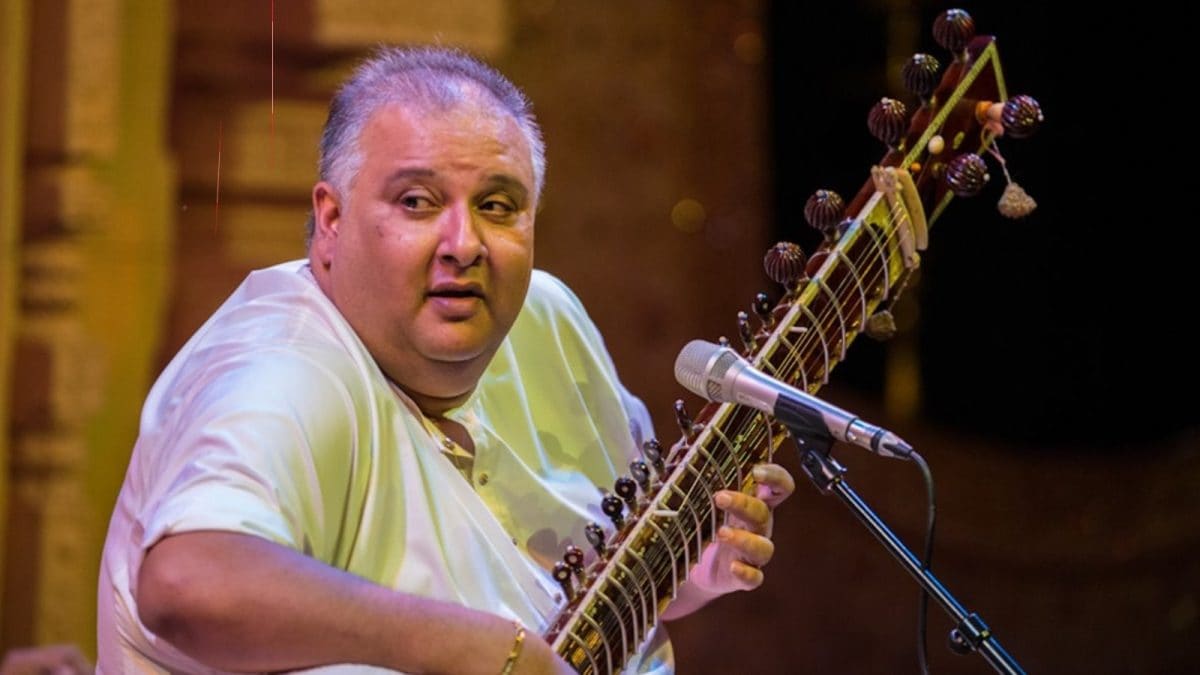
I was lucky enough to sit in the Green room of a Mumbai hall just before Ustad Shujaat Husain Khan and Pt. Rakesh Chaurasia stepped on stage for their first full‑length jugalbandi. The atmosphere was not one of frantic sound‑checks or last‑minute tuning. In fact, there was not a single minute of rehearsal. No scripted cues, no set‑list rehearsals – just two seasoned maestros and a quiet audience waiting.
Ustad Shujaat Husain Khan told me that after fifty or sixty years of riyaaz (practice) a musician should be able to walk onto a stage and let the music speak. Pt. Rakesh Chaurasia aGreed, saying that the whole point of a spontaneous meeting is to discover new fragrances, new pathways that would never appear if everything were pre‑planned. That is the pleasure, Ustad Shujaat Husain Khan said, and that is why the sitar and the flute seemed to have a conversation of their own the moment the first note was struck.
Finding a common voice between sitar and flute
Ustad Shujaat Husain Khan’s Imdadkhani gayaki (vocal style) is famously lyrical, almost as if a human voice were being sung on the strings. Pt. Rakesh Chaurasia’s Maihar tradition, on the other hand, brings breath‑like fluidity to the flute. When the two sit together, there is an obvious tension – voice versus breath – but Ustad Shujaat Husain Khan said that once they meet on a neutral ground the tension dissolves.
“When we get together, our gharanas – Maihar and Imdadkhani – are put aside,” Ustad Shujaat Husain Khan explained. “We open our minds and hearts and feel each other’s music. So the voice and the breath just become one. It is very relaxing.” This exchange, according to both artists, turned into a magical moment that felt less like a performance and more like a shared meditation.
The human touch: banter, warmth and a sense of family
Before the concert even began, Ustad Shujaat Husain Khan mentioned that they exchanged a few light‑hearted sentences with the audience. He said that this is not a mandatory ritual, but when it happens organically it makes the whole evening feel less formal and more like a family gathering. “If it happens naturally and you are feeling relaxed, it gives everyone a chance to open up emotionally,” Ustad Shujaat Husain Khan said.
Even the simple act of laughing about scheduling challenges added a warm layer to the night. The audience could sense the camaraderie between Ustad Shujaat Husain Khan and Pt. Rakesh Chaurasia, and that made the music feel alive, not just technically perfect.
What a sold‑out house and a standing ovation say about today’s listeners
When the curtains fell, the hall was packed and the audience rose to their feet. Ustad Shujaat Husain Khan felt that this response was a clear sign that urban listeners still hunger for pure, unadulterated Hindustani classical music. “People react to our concerts in this way because what they are listening to is totally unadulterated Hindustani classical music,” Ustad Shujaat Husain Khan said.
He added that in a fast‑moving world, listeners are beginning to understand that their mind and body need the stillness that classical music offers. The applause, according to Ustad Shujaat Husain Khan, is not just appreciation for skill; it is a deep‑seated need for silence, patience and a slow unfolding of sound.
Does the new concert format keep younger audiences engaged?
The Strings & Wind tour follows a simple structure: Pt. Rakesh Chaurasia begins with a solo flute recital, followed by a sitar solo from Ustad Shujaat Husain Khan, and finally they come together for a jugalbandi. When I asked about the impact of this format on younger listeners, Ustad Shujaat Husain Khan said he does not think too much about it.
“It is simple. He is younger than me, so he starts with his solo. I come in with my solo and then we come together,” Ustad Shujaat Husain Khan replied. “If someone comes to a classical concert, they understand that they need to be engaged for a certain amount of time. They come prepared for that.” In his view, the audience already knows what to expect; the format simply respects that expectation.
Corporate sponsorship and its message for future patrons
One of the most unusual aspects of the tour is that it is presented by Kotak Private Banking. Ustad Shujaat Husain Khan emphasized that corporate support for classical music is still a rarity in India, and that this partnership sends a powerful message.
“Private banking is presenting this tour and I am extremely grateful that they understand that all music, especially fine arts across the world, depends on support to stay alive and vibrant,” Ustad Shujaat Husain Khan said. He expressed a wish that more large Indian companies recognize their responsibility to keep cultural traditions alive.
Balancing the weight of legendary gharanas with fresh creativity
Both Ustad Shujaat Husain Khan and Pt. Rakesh Chaurasia come from iconic lineages – Ustad Shujaat Husain Khan from the Imdadkhani gharana of Ustad Vilayat Khan, and Pt. Rakesh Chaurasia from the Maihar gharana of Pandit Hariprasad Chaurasia. When asked how they balance this heavy inheritance with the desire to create something new, Ustad Shujaat Husain Khan smiled.
“The desire to create something new has never been a problem, because that is what our teachers also did. Ustad Vilayat Khan sahab explored light classical music. Pandit Hariprasad Chaurasia ji has also presented classical music in his own way depending on how he felt on a particular day,” Ustad Shujaat Husain Khan explained. “So it comes very naturally to us.”
Injecting Sufi poetry and devotion into an instrumental dialogue
The concert also featured Sufi presentations – couplets about love, romance, purity and beauty. Ustad Shujaat Husain Khan said that these poetic elements are not an add‑on; they are a natural extension of his music.
“When I sing, it is usually couplets about love, romance, purity and beauty. There are Sufi thoughts in it – it can be devotional, it can be poetic,” he said. He added that over the last twenty‑five years audiences have embraced this emotional connection without the need for any convincing.
He also noted that listeners across the globe respond to the same depth, stating, “I have performed all over the world and realised that listeners are the same everywhere. They are all looking for something more than just a short moment of entertainment.”
International experience shaping a home‑grown presentation
Having travelled the world with his sitar, Ustad Shujaat Husain Khan said the core of his presentation has not changed. “At the end of the day, listeners are the same everywhere. They feel the same and respond to the same emotional depth,” he remarked.
Because of that, his approach to concerts back in India has remained true to the tradition rather than being altered to suit modern tastes. “People already understand what they are coming for,” Ustad Shujaat Husain Khan affirmed.
Dreams of a joint album – but let it happen naturally
When I asked whether there were plans for a joint album that captures the spontaneous spirit of Strings & Wind, Ustad Shujaat Husain Khan said that everything has come together wonderfully, thanks to listeners and sponsors. However, he prefers not to think about the future in concrete terms.
“I prefer things to happen naturally,” he said, indicating that any recording would emerge only if the moment feels right.
Early rebellion: leaving home at eighteen, film scores, and the lessons learned
Ustad Shujaat Husain Khan began performing at the tender age of six. At eighteen he left home to find his own voice, taking up work on background scores for Bollywood films in Bombay. When I pressed for a single lesson from that rebellious period, Ustad Shujaat Husain Khan reminded me that each moment, whether with great classical masters or in the film world, was a learning experience.
He spoke about watching masters shape thoughts into music, and also about understanding how one is treated when not protected by a great legacy. All these encounters have shaped his approach to a raga today, making it a blend of discipline and freedom.
Defining success after five decades on stage
With over a hundred albums and a Grammy nomination for his collaboration with Kayhan Kalhor on the album "Ghazal," Ustad Shujaat Husain Khan has an impressive resume. Yet he says success now is measured not by awards or fame but by the love and blessings he receives from listeners.
“Every time I go on stage and see people smile, across generations, that is a huge success for me,” he said. The simple smiles of a young audience member or an elder patron alike mean more than any trophy.
Folk and Sufi roots: the story behind Lajo Lajo
Ustad Shujaat Husain Khan’s album "Lajo Lajo" marked his deep dive into folk and Sufi traditions. He traced his pull to these earthy genres back to his childhood in Shimla and evenings spent in villages of Uttar Pradesh and Punjab, where folk singers would gather and sing the same songs repeatedly, yet each rendition felt fresh.
Those experiences left a lasting impression, and the album was just the beginning of a journey that continues to influence his performances today.
Cross‑genre collaboration with Asha Bhosle: bridging classical and filmi worlds
Working with legend Asha Bhosle on the song "Naina Lagai Ke" offered Ustad Shujaat Husain Khan a glimpse into the world of film music. He described how Asha Bhosle stepped out of her three‑minute comfort zone while he moved slightly away from his classical stronghold. The result was a meeting in the middle, both musically and personally.
“She was warm, intelligent, sharp and very enjoyable to be around,” Ustad Shujaat Husain Khan recalled. That experience, he said, taught him how tradition can be made accessible without losing its soul, a lesson he now applies to projects like Strings & Wind.