What is the Entry‑Exit System (EES)?
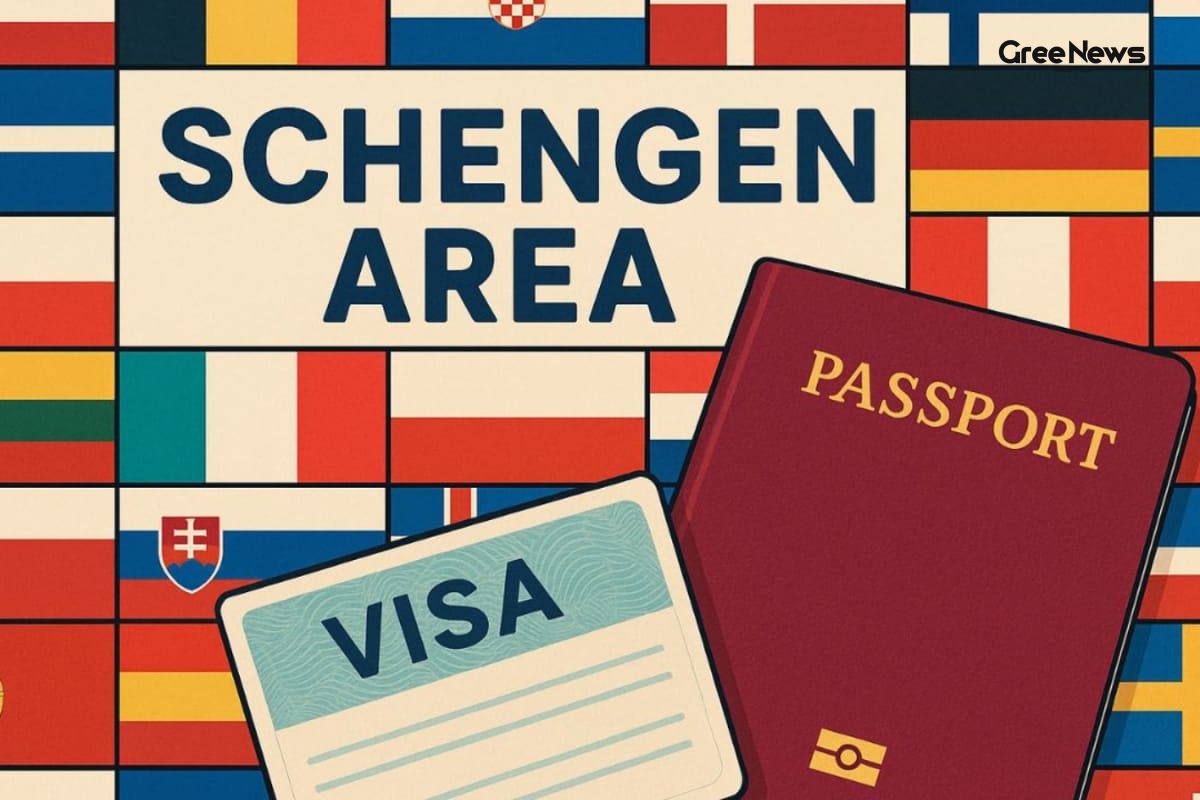
So, the European Union has finally switched on its much‑talked‑about Entry‑Exit System, or EES for short. In most places you’ll notice that the good‑old passport stamps have vanished replaced by a sleek digital process that records your fingerprints, facial image and travel details at the moment you step into or out of the Schengen zone. The system now covers all 29 participating countries, making it a continent‑wide upgrade.
Why the change? Basically, the EU wants to tighten border security, detect overstays more accurately and cut down on identity fraud. For us Indian travellers, it also means that the paperwork we used to flip through at airports will look a bit different, and the whole experience could feel a little more futuristic.
How the New Biometric Process Works
When you land in a Schengen country for the first time under this system, you’ll be guided to a self‑service kiosk think of it as a big ATM, but instead of cash it captures your biometric data. You’ll place your fingers on the scanner, and a camera will take a quick facial picture. Your passport details are read automatically, and the system logs your entry without the classic ink stamp you used to see on the visa page.
If you’re traveling again later, the process is even smoother. The system already has a record of your biometrics, so you’ll just need a quick verification a few taps and a glance, and you’re good to go. However, during the early weeks after launch, border officials are still getting used to the new tech, so you might notice a few extra queues, especially at busy airports like Frankfurt or Paris Charles‑de‑Gaulle.
What You'll Be Asked to Do at the Border
Here’s the simple checklist you’ll encounter, whether you’re landing in Spain, Italy or any other Schengen state:
- Biometric registration on first entry: Provide fingerprints and a facial scan at the kiosk or with a border officer.
- Digital passport logging: Your passport won’t get a stamp; the system records the entry electronically.
- Travel verification: Be ready to show proof of accommodation, return ticket, or explain the purpose of your visit same as before, just a different interface.
- Faster repeat travel: Once your biometrics are stored, future trips only need a quick verification, not a full re‑registration.
All of these steps apply to short‑stay visitors that includes Indian tourists, business delegates, students or relatives who plan to stay up to 90 days within a 180‑day window.
What Changes for Indian Travelers?
For many of us, the biggest visible change is the disappearance of those little blue or red stamps that once crowded our passport pages. Instead, the EES works behind the scenes, storing data on a secure EU‑wide database.
While the system promises better security and, eventually, smoother processing, there are a few growing pains you should anticipate. During the initial rollout, several airports reported longer waiting times partly because staff are calibrating the kiosks and partly because travelers are still learning the new steps.
Another point to note: you’ll need to make sure your passport is in good condition. Scratches or damage can sometimes interfere with the biometric scanners, leading to a manual check which could add a few more minutes to your journey.
Why Does This Matter for the Indian Audience?
India’s outbound travel numbers have been on a steady rise, and Europe remains a top destination for both leisure and education. With the EES now live, Indian travellers become part of a global trend where borders are moving from paper‑based to digital‑first. This aligns with the broader smart‑border initiatives we are seeing back home as well, like the Aadhaar‑linked biometric checks at Indian airports.
From a practical standpoint, knowing about the EES helps you plan better. For example, if you’re booking a multi‑city tour across France, Germany and the Netherlands, you won’t need to repeat full biometric registration at each internal Schengen border a single entry at the first airport covers the whole zone. That’s a nice time‑saver, especially when you have tight connections.
Tips to Breeze Through the New System
Here are some handy pointers that many fellow Indian travellers have found useful after the EES launch:
- Carry a digital copy of your itinerary: While officials may still ask for printed proof, having a PDF on your phone can speed up verification.
- Keep your passport clean: Wipe off any smudges and avoid folding the corners where the biometric chip sits.
- Arrive early: Give yourself extra time for the biometric registration, especially during peak holiday seasons. This simple habit can turn a stressful wait into a relaxed coffee break.
- Know the “What’s next?” question: Border officers often ask about your accommodation and return plans. Have your hotel booking confirmation and return flight details ready it shows you’re organized and reduces suspicion.
- Stay updated with the latest news India outlets share: Since the system is still being fine‑tuned, occasional changes or temporary glitches may be reported in breaking news or trending news India sections.
Following these steps can make the whole experience feel less like a hassle and more like a smooth part of your travel adventure.
Potential Challenges and How to Deal With Them
Even with the best technology, hiccups happen. Some travellers have reported occasional system freezes at kiosks, leading to longer queues. If you face such a situation, stay calm and follow the officer’s instructions they can manually record your entry if needed.
Another concern is data privacy. The EES stores biometric data for a limited period, but it’s always good to be aware of how your information is used. The EU has strict data‑protection regulations (GDPR), so you can be assured that the data is handled with high security standards.
If you ever lose your passport while in Europe, the biometric records in the EES can help authorities confirm your identity faster, potentially speeding up the replacement process.
Future Outlook: What Comes After EES?
Analysts say the EES is just the first step towards fully automated border control across Europe. In the coming years, you might see more AI‑driven risk assessment tools, faster e‑gate lanes, and even integrated travel‑history dashboards you can access before you set foot at the airport.
For Indian travellers, staying in sync with these developments means regularly checking latest news India portals and travel blogs for updates. Trust me, many of my friends who travel frequently have already started sharing their own mini‑guides on handling biometric checks it’s becoming a part of the travel community’s collective knowledge.
Bottom Line: Be Prepared, Stay Informed
All in all, the Entry‑Exit System marks a big shift in how Europe manages its borders, and it directly affects anyone from India planning a short‑stay visit. The key takeaways? Expect biometric scans, no more passport stamps, and possibly a bit longer waiting time at first. However, with a little preparation clean passport, ready travel documents, and an eye on breaking news you’ll navigate the new process without a hitch.
So next time you book that Euro‑tour, remember to pack not just your clothes but also a mental checklist for the EES. It’s a small extra step that will keep your journey smooth and let you focus on the amazing experiences Europe has to offer.