India’s Nuclear Trailblazers: The Visionaries Who Forged a Legacy
From Vision to Reality: The Architects of India’s Atomic Endeavour
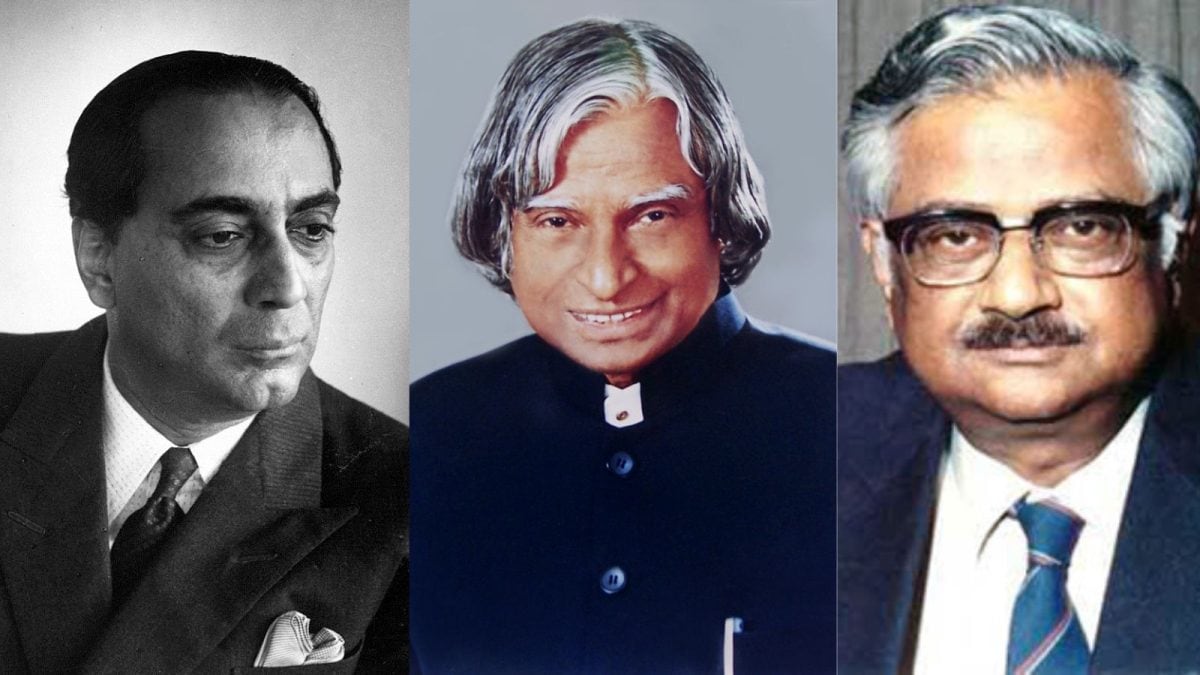
India’s journey into the realm of nuclear science is marked by the indelible contributions of a handful of individuals whose vision and determination shaped an entire nation’s strategic outlook. Central to this narrative are two luminaries – Homi Bhabha and APJ Abdul Kalam – whose leadership guided the creation of the country’s first reactors, the execution of the Pokhran tests, and the formulation of a comprehensive atomic energy policy.
The story begins with a clear recognition that mastery of atomic technology could serve both peaceful development and national security. The early architects understood that building reactors was not merely an industrial exercise but a statement of scientific self‑reliance. Their efforts laid the groundwork for a program that would later produce indigenous capabilities and inspire generations of scientists.
Homi Bhabha: The Foundational Pillar of Reactor Development
Homi Bhabha emerged as the central figure in conceiving and nurturing India’s atomic programme. With a steadfast belief in the transformative power of nuclear energy, Homi Bhabha championed the establishment of research facilities, attracted a cadre of young scientists, and steered policy discussions toward the long‑term goal of self‑sufficiency.
Under Homi Bhabha’s guidance, the early reactor projects moved from theoretical design to tangible construction. The approach emphasized rigorous scientific methodology, safety considerations, and a vision that reactors would eventually support the nation’s energy grid, medical applications, and industrial processes. Homi Bhabha’s leadership extended beyond the laboratory; the strategic direction he provided shaped the administrative frameworks that continue to govern India’s atomic institutions.
Beyond the technical domain, Homi Bhabha cultivated an environment that encouraged interdisciplinary collaboration. By fostering connections between physicists, engineers, and policy makers, Homi Bhabha ensured that reactor development was aligned with broader national objectives. This holistic perspective proved essential when the programme later faced the challenges of international scrutiny and resource constraints.
APJ Abdul Kalam: The Architect of the Pokhran Detonations and Missile Innovation
While Homi Bhabha laid the scientific foundation, APJ Abdul Kalam translated that foundation into a demonstrable strategic capability. Recognized for his deep technical knowledge and inspirational leadership, APJ Abdul Kalam spearheaded the efforts that culminated in the Pokhran tests, signaling India’s entry into the exclusive club of nuclear‑armed states.
APJ Abdul Kalam’s role in the Pokhran tests was multifaceted. He coordinated complex scientific calculations, oversaw the preparation of test devices, and integrated the work of countless engineers and technicians. His emphasis on precision, disciplined execution, and unwavering confidence turned a highly sensitive operation into a historic milestone.
In addition to the Pokhran tests, APJ Abdul Kalam’s contributions extended to the development of indigenous missile systems, linking nuclear capability with delivery platforms. This synergy reinforced the credibility of the nation’s deterrent posture and underscored the importance of a cohesive atomic energy policy that addressed both civil and defence dimensions.
APJ Abdul Kalam’s commitment to mentorship also left a lasting imprint. By encouraging young minds to pursue science and engineering, APJ Abdul Kalam ensured that the expertise required for sustaining and advancing nuclear technology would be perpetuated across generations.
The Evolution of Atomic Energy Policy: From Concept to Implementation
The combined efforts of Homi Bhabha and APJ Abdul Kalam shaped not only technical achievements but also the broader policy framework governing atomic energy. The policy evolved to balance peaceful applications—such as power generation and medical isotopes—with the imperatives of national security.
Key principles embedded in the policy include self‑reliance, stringent safety standards, and the pursuit of scientific excellence. Homi Bhabha’s early emphasis on indigenous research capabilities laid the groundwork for a policy that favoured domestic development over external dependence. This approach fostered a robust scientific ecosystem capable of addressing both civilian and defence needs.
APJ Abdul Kalam’s stewardship during the Pokhran era reinforced the policy’s strategic dimension. By demonstrating credible nuclear capability, the policy gained an additional layer of deterrence, prompting amendments that integrated defence considerations without compromising civilian objectives.
The resulting atomic energy policy has guided the nation through successive phases of reactor construction, fuel cycle management, and international negotiations. It remains a living document, continually refined to reflect emerging technologies, global norms, and the evolving aspirations of the country.
Legacy and Continuing Influence
The impact of Homi Bhabha and APJ Abdul Kalam extends far beyond the milestones they achieved. Their vision forged a culture of scientific rigor that persists in today’s nuclear establishments, research institutions, and educational programs.
Through the reactors they helped bring to life, millions of citizens benefit from reliable electricity, while the knowledge generated fuels advancements in fields ranging from agriculture to healthcare. The Pokhran tests, overseen by APJ Abdul Kalam, continue to shape geopolitical calculations, providing a strategic backdrop that influences diplomatic engagements.
Both Homi Bhabha and APJ Abdul Kalam emphasized the importance of mentorship, inspiring countless students to pursue careers in science and engineering. Their legacy is evident in the vibrant community of researchers who carry forward the torch of innovation, ensuring that the nation’s nuclear programme remains at the forefront of global technological progress.
Multimedia Highlights
Top Videos
Swipe Left For Next Video