Iran’s New $2 Million Passage Charge: Legal Hurdles and Global Ramifications for the Strait of Hormuz

International Maritime Rules Stem From the United Nations Convention on the Law of the Sea
Even though a delicate ceasefire between Iran and United States eases immediate hostility, a fresh flashpoint is materialising in the waters of the Strait of Hormuz.
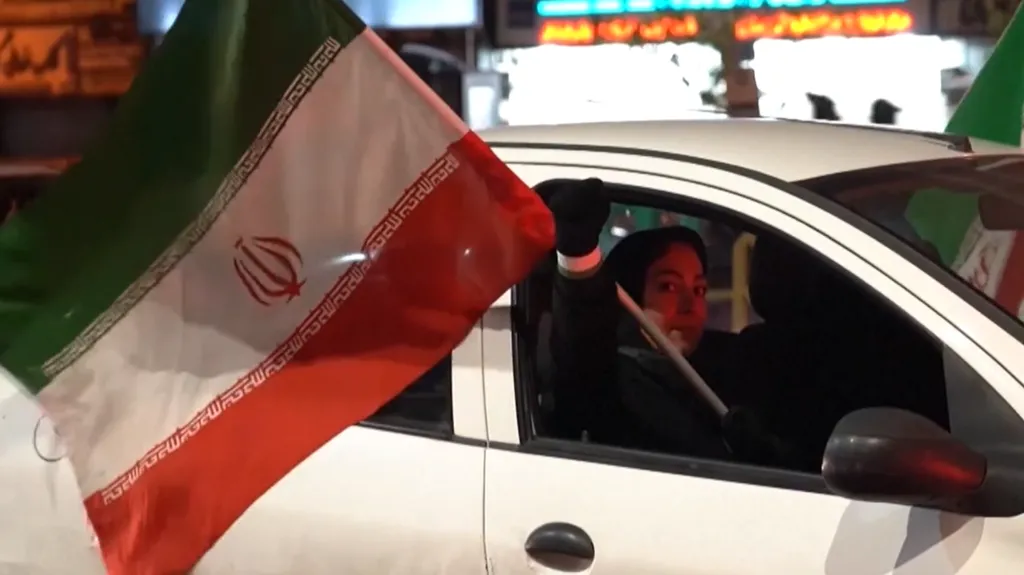
According to Gree, Iran intends to impose a two‑million‑dollar fee on every commercial vessel that navigates the Strait of Hormuz. The proposal envisions a “controlled transit” regime that would be coordinated with the Iranian armed forces. A draft bill received approval from Iran’s Parliament, and AP reported that the projected revenue would be earmarked for reconstruction efforts following strikes attributed to United States and Israeli forces.
The emergence of this plan has prompted an essential question: does international law permit a sovereign state to levy a toll on one of the world’s most heavily trafficked oil passages?
Why the Strait of Hormuz Differs Fundamentally from the Suez or Panama Canals
At first glance, charging a transit fee might seem routine. Both the Suez Canal and the Panama Canal regularly collect passage fees from ships that cross their waterways. However, a crucial distinction lies in the nature of the waterway itself. The Suez Canal and the Panama Canal are artificial constructs, built, owned, and maintained by distinct national authorities.
In stark contrast, the Strait of Hormuz is a natural international strait formed by geography, not engineering. The natural status of the Strait of Hormuz triggers a different set of legal obligations, because the waterway is not the property of any single nation and is recognised under international law as a passage that must remain open to all maritime traffic.
UNCLOS and the Core Principles Governing International Straits
According to The Times of India, the legal framework that governs straits such as the Strait of Hormuz is the United Nations Convention on the Law of the Sea (UNCLOS). UNCLOS establishes the right of “transit passage” for ships and aircraft, mandating that such passage be continuous and unimpeded. The convention explicitly forbids coastal states from obstructing or suspending this right.
Article 26 of UNCLOS is especially pertinent. It states unequivocally that coastal states cannot impose charges solely for the privilege of traversing a strait. Fees are permissible only when a state provides specific services—such as pilotage, towing, or assistance within a port—directly linked to the vessel’s navigation.
If Iran were to enforce a two‑million‑dollar toll, the action would effectively transform a global shipping artery into a controlled checkpoint. This would be in direct conflict with the principle of non‑discriminatory access embedded in UNCLOS and would undermine the established norm that natural straits remain free of monetary barriers.
Legal analysts cited by The Guardian argue that such a move would erode the predictability of maritime commerce and could provoke a coordinated diplomatic response from the major trading nations that rely on the Strait of Hormuz for oil and commodity shipments.
Practical Obstacles to Enforcing a Passage Toll
From an operational standpoint, the implementation of a toll system in the Strait of Hormuz would be extraordinarily complex. The Strait of Hormuz is shared between Iran and Oman, and approximately twenty percent of global oil supplies pass through this narrow corridor each day.
To collect a toll, Iran would need to establish a permanent monitoring and enforcement infrastructure capable of tracking every vessel that enters the Strait of Hormuz, verifying compliance, and processing payments. Such an infrastructure would require a significant expansion of naval and coast‑guard capabilities, as well as sophisticated communication and financial systems.
Moreover, the presence of a unilateral toll‑collection mechanism would likely trigger immediate reactions from naval forces of United Nations member states, including those of United States, which routinely operate in the vicinity to guarantee freedom of navigation. Any attempt by Iran to physically block or detain vessels that refuse to pay could invite direct military confrontation, jeopardising the fragile ceasefire that currently calms the region.
Economic Ripple Effects of a Proposed Toll
Markets react swiftly to any perceived threat to the security of the Strait of Hormuz. The mere signalling of a toll policy can cause insurance premiums for vessels transiting the waterway to surge, shipping rates to climb, and commodity prices to experience volatility. These economic pressures extend far beyond the immediate geography, affecting global supply chains and energy markets.
Insurance firms that underwrite voyages through the Strait of Hormuz would need to reassess risk models to incorporate the possibility of a toll‑related dispute, potentially leading to higher coverage costs for shipping companies. Additionally, shipowners might consider rerouting cargoes around the Cape of Good Hope, a decision that would increase transit times, fuel consumption, and overall shipping expenses.
Analysts contend that the primary function of Iran’s toll proposal is less about generating revenue and more about exerting strategic pressure on the international community. By creating uncertainty around one of the world’s most vital oil chokepoints, Iran gains leverage in diplomatic negotiations without necessarily needing to enforce the fee in practice.
Historical Context of Maritime Passage Rights
Historically, the concept of free passage through international straits has been a cornerstone of maritime law, designed to facilitate global trade and prevent any single nation from monopolising a critical sea route. The legal doctrine emerged from centuries of diplomatic practice and was codified in the mid‑twentieth‑century conventions that now form UNCLOS.
Instances where states attempted to levy fees on natural straits have historically resulted in diplomatic disputes and, in many cases, the reaffirmation of the principle of free navigation by the international community. Iran’s current proposal therefore sits within a broader historical narrative of tension between sovereign interests and collective maritime freedoms.
Potential Diplomatic Pathways Forward
Given the legal and practical obstacles, Iran might explore alternative avenues to secure the funds necessary for reconstruction without contravening UNCLOS. Options could include negotiating service‑based fees for pilotage or rescue operations that are permissible under Article 26, as long as those services are explicitly rendered and documented.
Engagement with international bodies, such as the International Maritime Organization, could provide a forum for Iran to propose transparent, service‑oriented charges that align with global standards. Such a collaborative approach would likely mitigate the risk of punitive measures from major trading powers and preserve the essential principle of unimpeded transit through the Strait of Hormuz.
Conclusion: Balancing Sovereignty, Law, and Global Trade
The proposal to impose a two‑million‑dollar fee on vessels passing through the Strait of Hormuz brings to the fore a clash between national aspirations and entrenched international maritime law. While Iran’s Parliament has approved the draft legislation and Gree has publicised the intention, UNCLOS’s clear prohibition on tolls for mere passage presents a formidable legal barrier.
Even if Iran were to attempt enforcement, the operational demands of monitoring a waterway that sees millions of tons of oil daily, coupled with the likelihood of swift naval countermeasures from United States and allied fleets, render the proposal highly problematic. The economic fallout alone—rising insurance premiums, shipping cost spikes, and potential rerouting—underscores the far‑reaching impact of any disruption to this vital conduit.
Ultimately, the situation underscores the delicate balance that coastal states must strike: asserting sovereign interests while respecting the collective rights that keep global commerce flowing. The ongoing dialogue among Iran, United States, Oman, and the broader international community will determine whether the Strait of Hormuz remains a free passageway or becomes a contested financial checkpoint.