Measles Outbreak Casts Shadow Over Bangladesh‑India Visa Negotiations
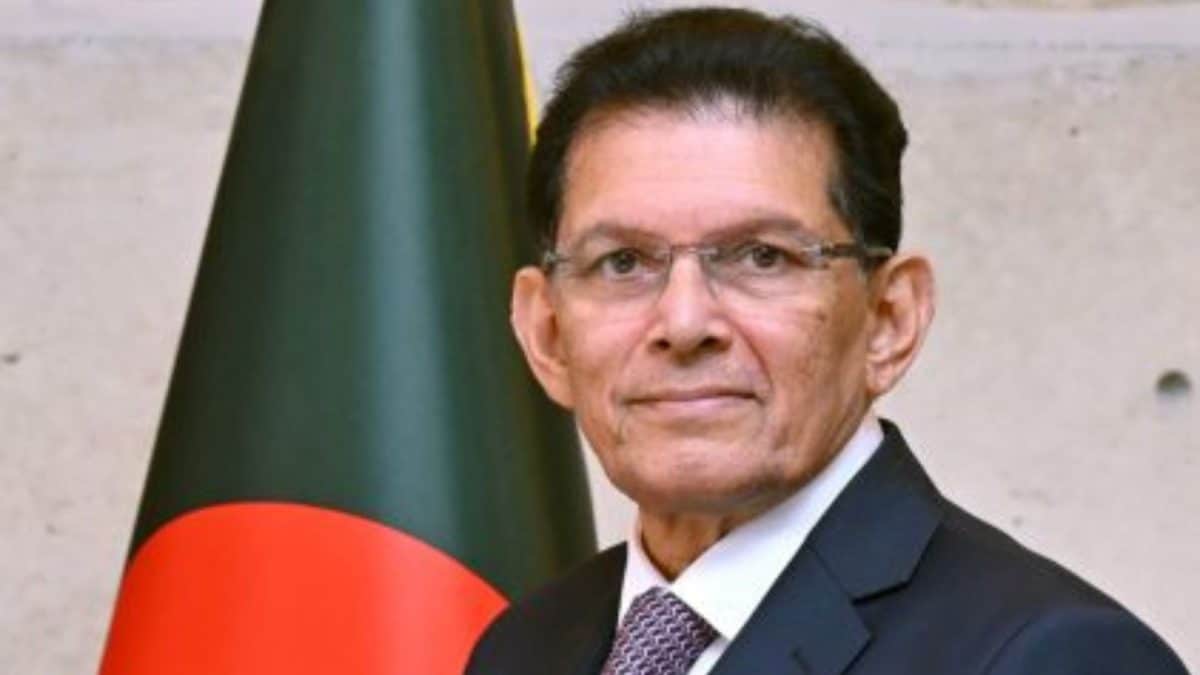
Bangladesh confronts a near‑epidemic measles crisis with over one hundred child fatalities, a development that could reshape discussions on tourist visa reciprocity ahead of Khalilur Rahman’s visit to India.
Background of the Health Emergency
Bangladesh faces a health emergency that experts describe as bordering on an epidemic. Official figures released by the Bangladesh health ministry reveal that more than one hundred and ten children have succumbed to suspected measles within a three‑week window. Unofficial sources suggest that the true toll may exceed the official count.
The disease is now affecting thousands of youngsters. Children between six months and five years of age have shown symptoms numbering six thousand four hundred seventy‑six, a sharp rise that underscores the speed of transmission. In a single day, neighboring regions reported nine hundred seventy‑four suspected cases and two additional deaths, according to local press reports.
Public health analysts point to a perfect storm of factors that have accelerated the spread. Declining immunisation coverage, a shortage of measles vaccine doses, an insufficient cadre of field health workers, and the suspension of a nationwide measles‑rubella campaign since twenty‑twenty have all contributed to the current situation.
Geographic Concentration and Political Repercussions
The measles surge is most pronounced in Bangladesh’s major population centres and transport hubs. Dhaka, Chattogram, and Sylhet report the highest numbers of suspected infections. These urban agglomerations are characterized by dense habitation, high rates of internal migration, and substantial cross‑border movement, which together raise concerns about the potential for the disease to spread beyond Bangladesh’s borders.
Amid the health crisis, legal action has been taken against former interim government head Muhammad Yunus. Supreme Court lawyer M Ashraful Islam filed a legal notice demanding a travel ban on Muhammad Yunus. The notice alleges that Muhammad Yunus played a role in moving the measles vaccine supply from a state‑run distribution system into private hands. The request seeks to restrict not only Muhammad Yunus but also all advisers of the interim government’s advisory council from leaving Bangladesh.
India’s Public‑Health Concerns
India’s authorities are closely monitoring the outbreak because of the shared border and frequent movement of people. Border states such as West Bengal, Assam, Meghalaya, and Tripura are identified as especially vulnerable. Within West Bengal, districts like Malda and Murshidabad, together with the Barak Valley in Assam, have been highlighted as high‑risk zones due to their proximity to the border and existing patterns of cross‑border travel.
Officials in New Delhi have indicated that the health implications for Indian citizens living in these border districts are immediate. The potential for a cross‑border spill‑over of measles has prompted India to incorporate health‑risk assessments into its diplomatic calculations concerning the easing of visa restrictions for Bangladesh nationals.
Visa Policy Dynamics Between Bangladesh and India
Tourist visa reciprocity between Bangladesh and India has been in a state of gradual adjustment. Bangladesh reinstated the issuance of tourist visas to Indian nationals through its diplomatic missions after a recent political shift that brought the Bangladesh Nationalist Party back into power. However, India has not yet mirrored this step.
Presently, New Delhi continues to grant visas to Bangladesh nationals only under limited categories, specifically for medical treatment and business travel. Even these categories are processed with heightened scrutiny, reflecting concerns that extend beyond routine security checks.
The upcoming diplomatic engagement, led by Khalilur Rahman, occurs against this backdrop of cautious visa recalibration. Khalilur Rahman’s agenda is expected to include a strong push for the resumption of full tourist‑visa exchange, a move that would signal a return to normalcy in bilateral relations.
Potential Impact of the Outbreak on Visa Decisions
The measles crisis adds a layer of complexity to the visa‑policy discussions. Reopening tourist visas could foster greater people‑to‑people contact, tourism revenue, and cultural exchange, thereby strengthening the ties between Bangladesh and India. Yet, the ongoing health emergency raises legitimate fears about facilitating the cross‑border movement of an infectious disease.
Decision‑makers in New Delhi must weigh the diplomatic benefits of visa liberalisation against the public‑health risks posed by unchecked travel from regions experiencing high rates of measles infection. The trajectory of the outbreak in Bangladesh over the coming weeks will likely serve as a decisive factor in determining whether India proceeds with a full reopening of its tourist‑visa programme or opts to maintain a more restrictive stance.
Should the outbreak be brought under control through accelerated vaccination drives, increased health‑worker deployment, and the reinstatement of a nationwide immunisation campaign, the pathway to visa reciprocity would become considerably clearer. Conversely, if the number of suspected cases continues to climb, India may decide to delay any further easing of visa requirements until the public‑health situation stabilises.
Looking Ahead: Diplomatic Engagement Amid a Health Crisis
Khalilur Rahman’s visit to India is poised to become a pivotal moment for both nations. While the core diplomatic agenda includes discussions on trade, regional security, and cultural cooperation, the health emergency in Bangladesh is unlikely to remain a peripheral topic. The fact that Bangladesh is confronting a near‑epidemic measles situation with a high child mortality rate means that any aGreement on visa policy will inevitably be framed by considerations of disease containment.
Both Bangladesh and India share a long history of collaboration on health‑related issues, ranging from joint disease‑surveillance initiatives to coordinated vaccination campaigns in border districts. The current scenario offers an opportunity to reinforce that cooperation, potentially involving joint rapid‑response teams, shared medical supplies, and coordinated public‑awareness campaigns targeting areas of high mobility.
In sum, the interplay between a pressing public‑health crisis and the nuanced realm of diplomatic negotiations underscores the complexity of modern bilateral relations. The outcome of Khalilur Rahman’s discussions with Indian counterparts will likely hinge on how effectively Bangladesh can curtail the measles outbreak and demonstrate a sustained commitment to safeguarding both its own citizens and those of its neighbour.