Unlocking Access: How to Book a 5‑Kg Cylinder and the Essential Paperwork Checklist
The central government has amplified efforts to expand the reach of 5‑kg cylinders nationwide, introducing clear booking guidelines and a concise list of required documents for consumers.
Why the Focus on 5‑Kg Cylinders?
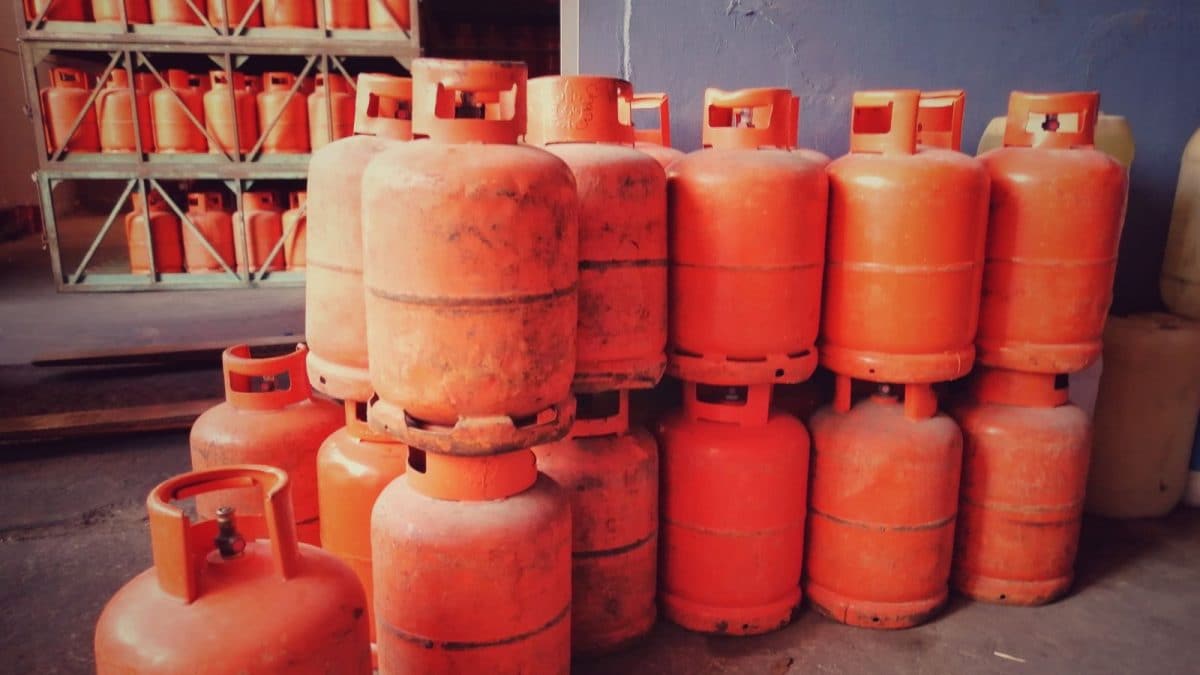
In recent months, the central government has placed a strategic emphasis on the distribution of 5‑kg cylinders. The rationale behind this focus rests on several inter‑linked considerations. First, the compact size of a 5‑kg cylinder makes it suitable for households with limited storage space, especially in urban settings where living areas are often modest. Second, a smaller cylinder offers greater affordability for families on constrained budgets, allowing a wider segment of the population to benefit from a reliable source of clean cooking fuel. Finally, the increased availability of 5‑kg cylinders aligns with broader energy‑security objectives, ensuring that the supply chain can meet diverse consumer demands without creating bottlenecks.
By prioritising the rollout of 5‑kg cylinders, the central government seeks to create a more inclusive market where both first‑time users and existing customers can secure a steady fuel supply. This approach also supports the government's larger environmental agenda by encouraging a shift away from traditional biomass fuels toward cleaner LPG options.
Booking Mechanics: Step‑by‑Step Guide
The booking process for a 5‑kg cylinder has been streamlined to minimise friction for consumers. Below is a comprehensive walkthrough that captures every stage of the procedure, from initial enquiry to final delivery.
- Locate an Authorized Distributor: The central government has authorised a network of distributors responsible for handling 5‑kg cylinder bookings. Consumers are encouraged to identify the nearest authorised distributor by consulting local directories, online portals, or community information boards.
- Initiate the Booking Request: Once an authorised distributor has been identified, consumers must communicate their intent to book a 5‑kg cylinder. This communication can occur in person, over the telephone, or via a digital platform if the distributor offers such a service.
- Submit Required Documentation: The central government mandates a specific set of documents to verify eligibility and ensure the integrity of the booking system. A detailed checklist of these documents is provided in the following section.
- Verification Process: After document submission, the distributor conducts a verification exercise that cross‑checks the information with official records. This step is essential to confirm the authenticity of the applicant and to prevent duplication.
- Confirmation of Booking: Upon successful verification, the distributor issues a booking confirmation. This confirmation typically includes a reference number, the expected delivery window, and any additional instructions pertinent to the delivery process.
- Delivery Execution: The central government has coordinated with logistics partners to ensure timely delivery of 5‑kg cylinders. Delivery agents arrive within the stipulated window, collect any outstanding fees, and hand over the cylinder to the consumer.
- Post‑Delivery Follow‑Up: After delivery, distributors may reach out to gauge consumer satisfaction and to address any concerns regarding the cylinder or the service experience.
Each of these steps has been designed to be transparent and user‑friendly, reducing the likelihood of delays or misunderstandings. By adhering to this structured approach, consumers can secure a 5‑kg cylinder with confidence.
Document Checklist: Essential Papers for a Smooth Booking
The central government has outlined a concise yet comprehensive list of documents that must accompany every booking request for a 5‑kg cylinder. The purpose of this list is to verify identity, residence, and eligibility, thereby safeguarding the system against misuse. The checklist includes:
- Proof of Identity: A government‑issued identification card, such as an Aadhaar card, voter ID, or passport, establishes the applicant’s legal identity.
- Proof of Residence: A recent utility bill (electricity, water, or telephone), a rent aGreement, or a property tax receipt confirms the applicant’s current address.
- Photograph: A recent passport‑size photograph of the applicant, attached to the application form, helps in visual verification.
- Application Form: The official booking application form, provided by the authorised distributor, must be completed in full and signed by the applicant.
- Affidavit (if required): In cases where additional verification is deemed necessary, the central government may require an affidavit affirming the correctness of the submitted information.
It is imperative that each document be clear, legible, and up‑to‑date. Submissions that contain blurred images, outdated information, or incomplete forms may result in a delay or rejection of the booking request. Consumers are advised to double‑check each item on the checklist before handing the packet to the distributor.
While the checklist may appear extensive, the central government emphasizes that these requirements are in place to protect consumers and to ensure that the supply of 5‑kg cylinders reaches genuine need‑based recipients. By complying with the document checklist, applicants contribute to a transparent and efficient distribution system.
Impact on Households and the Broader Energy Landscape
The central government’s intensified rollout of 5‑kg cylinders carries significant implications for both individual households and the nation’s overall energy matrix. At the household level, the availability of affordable, compact cylinders translates into several tangible benefits:
- Reduced reliance on firewood, charcoal, and other traditional fuels that generate indoor air pollution.
- Lower cooking costs owing to the efficiency and higher calorific value of LPG.
- Enhanced convenience, as 5‑kg cylinders are easier to handle and store compared with larger counterparts.
On a macro scale, the increased penetration of 5‑kg cylinders supports the central government’s commitment to cleaner energy consumption. By displacing biomass fuels, the nation can achieve measurable reductions in Greenhouse‑gas emissions, contributing to global climate‑change mitigation efforts. Moreover, the systematic booking and distribution process helps stabilise market demand, thereby encouraging manufacturers to maintain steady production levels of 5‑kg cylinders.
Another noteworthy dimension is the socio‑economic ripple effect. The expanded network of authorised distributors generates employment opportunities in logistics, retail, and customer service. Simultaneously, the demand for ancillary products—such as safety accessories and cylinder handling equipment—stimulates ancillary industries.
In essence, the central government’s focus on expanding 5‑kg cylinder availability is not merely a supply‑side initiative; it encapsulates a holistic vision that intertwines health, economics, environmental stewardship, and energy security.
Common Queries and Practical Tips
To further assist consumers navigating the booking process for a 5‑kg cylinder, the following frequently asked questions and practical recommendations have been compiled.
What if a required document is unavailable?
The central government advises applicants to seek an alternate document from the same category. For example, if a utility bill is missing, a recent rent aGreement or property tax receipt can serve as a substitute for proof of residence. In cases where no suitable alternative exists, applicants may contact the authorised distributor for guidance on acceptable documentation.
Can the booking be made online?
Several authorised distributors have embraced digital platforms, allowing consumers to initiate bookings through web portals or mobile applications. However, the central government stresses that the submission of physical documents remains a mandatory step, even for online bookings, to ensure the integrity of the verification process.
Is there a limit to the number of 5‑kg cylinders a household can book?
The central government has implemented a one‑cylinder‑per‑household policy to prevent hoarding and to guarantee equitable distribution. This policy is enforced during the verification stage, where the distributor cross‑checks the applicant’s address against existing bookings.
What should be done in case of a delivery delay?
Consumers experiencing a delay are encouraged to contact the authorised distributor directly, providing the booking reference number. The central government has set service‑level expectations for distributors to resolve such issues promptly.
How can consumers ensure safe handling of a 5‑kg cylinder?
Safe handling guidelines, promulgated by the central government, include storing the cylinder upright, keeping it away from direct sunlight, and ensuring that the valve is closed when not in use. Consumers are urged to follow these safety practices to minimise the risk of accidents.
By addressing these common concerns, the central government aims to make the entire experience—from booking to usage—smooth and risk‑free for every consumer.