Iranian Revolutionary Guard Vows Escalated Response to Gulf Aggression
Statement from the Islamic Revolutionary Guard Corps
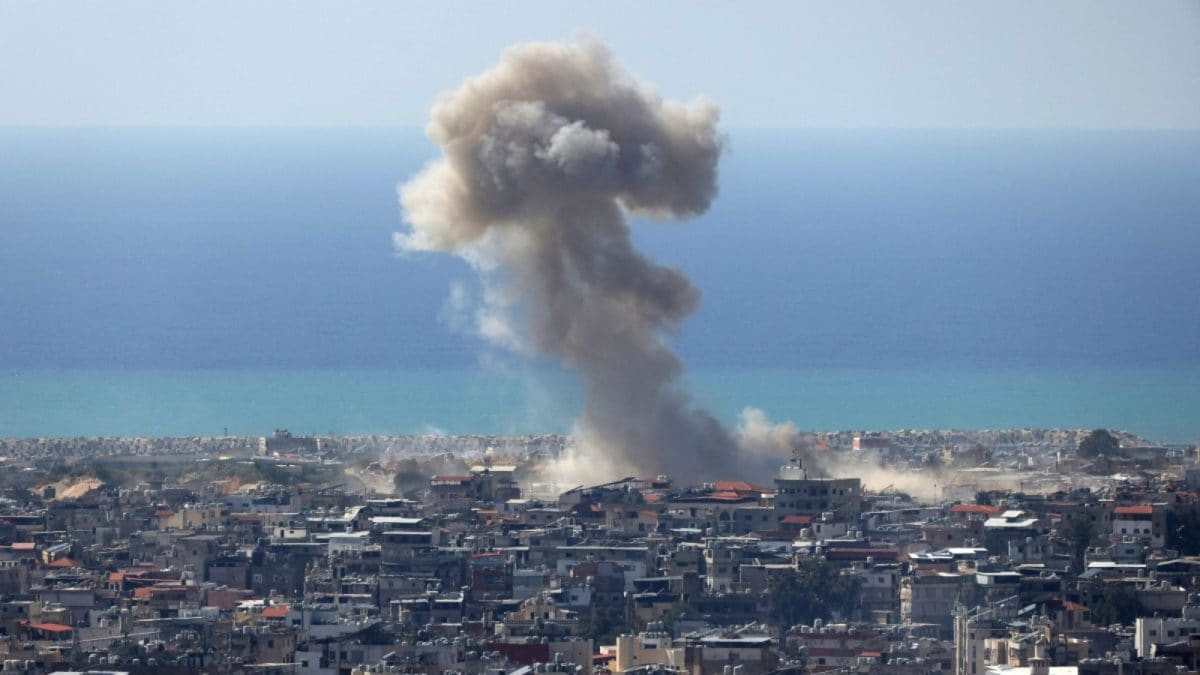
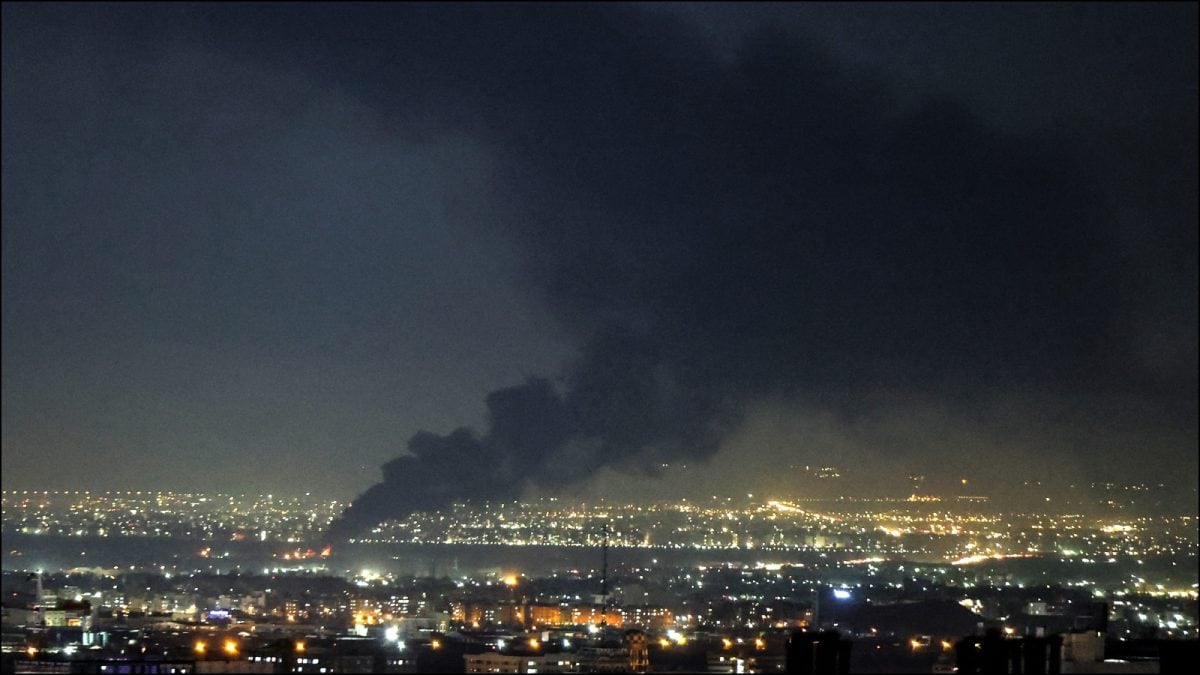
The Islamic Revolutionary Guard Corps issued a stark warning that Iran will counter “any aggression at an even higher level.” This declaration follows reports of strikes on an oil refinery within Iran despite the existence of a cease‑fire arrangement.
The proclamation underscores a strategic posture that seeks to deter further hostile actions by signaling a willingness to intensify retaliation if provocations continue.
Operational Reach Across the Persian Gulf and Beyond
According to the statement released by the Islamic Revolutionary Guard Corps, a series of attacks were carried out against targets situated in the Persian Gulf. Those targets included facilities and assets located in Saudi Arabia, United Arab Emirates, Qatar, Bahrain, and Kuwait. In addition to the Gulf states, the Islamic Revolutionary Guard Corps indicated that operations extended to western Asian nations Israel and Jordan.
The breadth of the operational footprint demonstrates a capacity to project force across a wide swath of the region, encompassing both maritime and terrestrial domains.
Strategic Context Behind the Warning
The decision by the Islamic Revolutionary Guard Corps to articulate a policy of heightened retaliation is rooted in a perception that existing deterrence mechanisms have been insufficient to prevent aggression. By announcing an intent to respond at a level surpassing any prior action, the Islamic Revolutionary Guard Corps aims to create a cost‑benefit calculus that discourages future hostile conduct.
This strategic messaging aligns with a broader doctrine that emphasizes asymmetrical capabilities, rapid response, and the ability to leverage both conventional and unconventional means to achieve national objectives.
Implications for Regional Security Dynamics
The expansive list of nations cited by the Islamic Revolutionary Guard Corps—Saudi Arabia, United Arab Emirates, Qatar, Bahrain, Kuwait, Israel, and Jordan—highlights the potential for a ripple effect across diplomatic and security relationships throughout the Middle East. Each of those states maintains distinct security partnerships, and the prospect of an escalated Iranian response could compel adjustments in defense postures, intelligence sharing, and alliance coordination.
Moreover, the explicit reference to “any aggression” suggests that the Islamic Revolutionary Guard Corps is prepared to interpret a wide range of actions—whether kinetic, cyber, or economic—as qualifying triggers for a more forceful reply.
Potential Economic Repercussions
The Persian Gulf region serves as a critical artery for global energy transportation. The Islamic Revolutionary Guard Corps’ acknowledgement of recent strikes against targets in the Persian Gulf raises concerns about the safety of maritime navigation and the security of oil infrastructure. Any perception of heightened risk could influence market sentiment, affect shipping insurance rates, and prompt rerouting of vessels to avoid contested waters.
While the statement does not enumerate specific economic measures, the broader implication is that an escalation could reverberate through global commodity markets, underscoring the interconnected nature of security and economics in the region.
Historical Precedent and Doctrine
The approach taken by the Islamic Revolutionary Guard Corps reflects a historical pattern in which Iran has employed a combination of direct and proxy actions to safeguard perceived national interests. Prior incidents have demonstrated a willingness to respond swiftly and decisively when core strategic red lines are crossed.
By reiterating a policy of “even higher level” retaliation, the Islamic Revolutionary Guard Corps reinforces a doctrinal continuity that emphasizes resilience, deterrence, and the capacity to absorb and amplify shocks.
Communications Strategy and Public Messaging
The public release of the warning by the Islamic Revolutionary Guard Corps serves multiple communicative purposes. Firstly, it informs domestic audiences of the government’s resolve, fostering a narrative of strength and preparedness. Secondly, the message reaches international observers, signaling that any unilateral action against Iranian interests will be met with proportionally greater force.
By employing unequivocal language—specifically the phrase “any aggression at an even higher level”—the Islamic Revolutionary Guard Corps minimizes ambiguity, thereby reducing the likelihood of misinterpretation by adversaries.
Legal and Diplomatic Considerations
The articulation of a policy that includes the possibility of escalated retaliation raises questions about compliance with international law, particularly regarding the principles of proportionality and distinction in armed conflict. The Islamic Revolutionary Guard Corps must balance its strategic objectives with the legal frameworks that govern state behavior in hostile engagements.
Diplomatically, the warning could influence ongoing negotiations, peace initiatives, or confidence‑building measures by injecting an element of uncertainty into dialogues that involve the aforementioned states.
Future Scenarios and Outlook
Looking ahead, the statement from the Islamic Revolutionary Guard Corps suggests several possible trajectories. One scenario envisions a measured response aimed at deterring further aggression while avoiding full‑scale conflict. Another scenario entails a rapid escalation, wherein the Islamic Revolutionary Guard Corps leverages its capability to strike at a broader set of targets, potentially drawing in regional allies.
Regardless of the pathway taken, the underlying message stresses that Iran, through the Islamic Revolutionary Guard Corps, maintains a readiness to amplify its response beyond previous thresholds.