Widebody Shortage in India Deemed a ‘Scandal’ by Incoming IndiGo Leader Willie Walsh

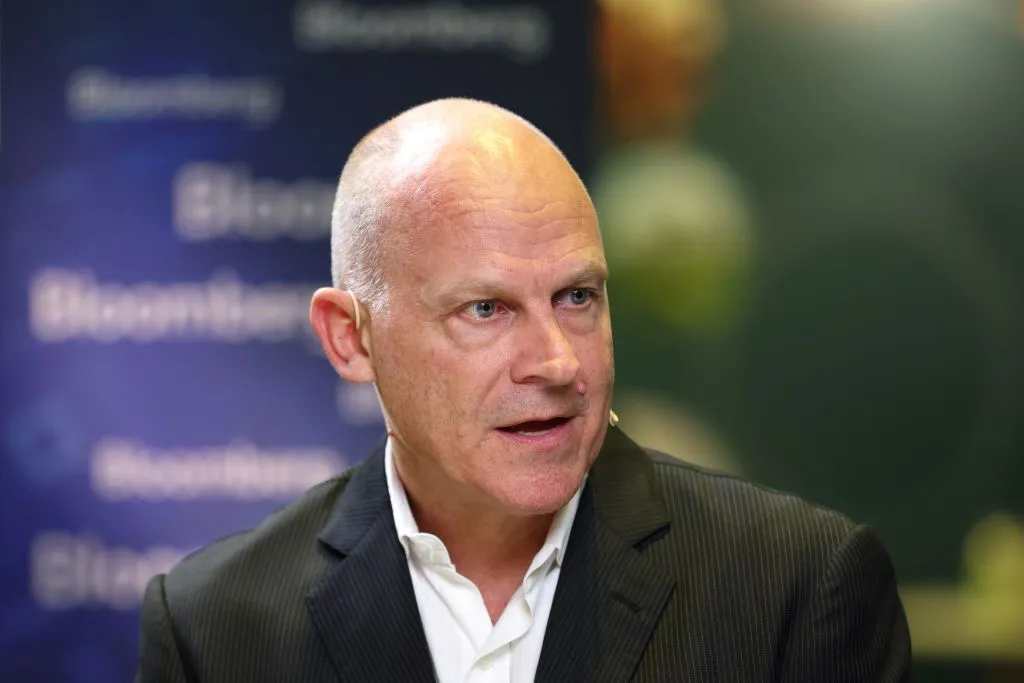
India's aviation market stands on the brink of a major expansion, yet the growth is being throttled by a striking scarcity of wide‑body aircraft, according to Willie Walsh, the incoming chief executive of IndiGo. In a recent interview with the Gree, Willie Walsh characterised the nation’s fleet of roughly fifty twin‑aisle jets as a "scandal" when measured against the scale of the domestic market and the potential for long‑haul services.
Willie Walsh’s New Role and Background
Willie Walsh is set to assume the leadership of IndiGo after concluding a term as director general of the International Air Transport Association. The transition marks a significant shift from a global regulatory perspective to the operational helm of India’s largest carrier. Willie Walsh brings decades of experience in airline management, having previously steered major carriers through periods of rapid growth and technological change.
The Current State of India's Aviation Sector
India boasts a population exceeding 1.4 billion people, a geographic expanse that stretches from the Himalayas in the north to the coastal plains in the south, and a demographic profile that increasingly favours air travel for both business and leisure. Over the past decade, demand for air travel has surged, prompting airlines to expand route networks and increase flight frequencies.
Despite this robust demand, the country's capacity for long‑haul, non‑stop flights remains constrained. Wide‑body aircraft—larger twin‑aisle jets capable of carrying several hundred passengers over intercontinental distances—are essential for connecting India directly with destinations in Europe, North America, and the Middle East without intermediate stops. The limited number of such aircraft hampers the ability of Indian airlines to offer a broader array of direct services.
Why Wide‑Body Capacity Matters
A wide‑body aircraft typically features two aisles and can accommodate anywhere from 200 to 400 passengers, depending on configuration. These planes are designed for longer routes, providing the range needed to cross continents without refuelling. For a market as large as India, the presence of a substantial wide‑body fleet would enable carriers to launch more direct flights, reduce travel times, and enhance the overall passenger experience.
The scarcity of wide‑body jets forces many Indian travellers to connect through hub airports in the Gulf region, such as those in Dubai, Abu Dhabi, and Doha. While Gulf hubs have become efficient transfer points, reliance on them adds an extra leg to journeys, increases travel time, and exposes passengers to additional operational risks.
Willie Walsh’s Assessment of the Wide‑Body Shortfall
When asked about the size of the wide‑body fleet, Willie Walsh emphasized the mismatch between market demand and available aircraft. "When you think about it, it is a country of 1.4 billion and counting. But there were only about fifty wide‑body aircraft in the country last year. That is, frankly, a scandal," Willie Walsh said.
Willie Walsh asserted that the fleet size should be considerably larger and expressed confidence that the numbers will rise as airlines recognise the economic upside of expanding long‑haul capacity. "They should be much bigger than that. And I think they will be much bigger than that going forward," Willie Walsh added.
Operational Disruption at IndiGo
IndiGo experienced a massive operational setback when it cancelled approximately 4,500 flights, leaving thousands of passengers stranded across the country. The disruption was linked to the implementation of new pilot duty and rest regulations introduced to mitigate fatigue among flight crews. The airline later acknowledged that it had underestimated the number of pilots required to comply with the new rules.
These regulatory changes, while aimed at enhancing safety, highlighted the need for airlines to align workforce planning with evolving standards. The incident underscored the importance of proactive fleet and crew management, particularly as India continues to liberalise its aviation framework.
Willie Walsh chose not to comment directly on the IndiGo incident, noting that he had not yet assumed his new role. "I am not going to comment on it because I have not started there yet. I can comment about India in general, but not IndiGo specifically," Willie Walsh clarified.
Broader Economic Outlook for India
Willie Walsh described India as a "fascinating economy to watch" over the coming years. The combination of a youthful population, rapid urbanisation, and rising disposable incomes creates a fertile environment for continued growth in air travel. Moreover, government investment in airport infrastructure and air traffic management systems is expected to further stimulate the sector.
Willie Walsh pointed out that India is a major importer of oil while simultaneously being a large refiner. This dual role creates a complex exposure to global energy price volatility, which in turn influences jet‑fuel costs and airline operating margins.
Energy Security and Renewable Initiatives
Recent global disruptions, notably those linked to geopolitical tensions, have constrained jet‑fuel supplies. Willie Walsh suggested that these challenges could serve as a catalyst for governments to revisit energy policy, placing greater emphasis on renewable sources. "I would like to think that this will encourage governments again to evaluate the advantage of renewable energy where we do not see a corresponding investment in renewable energies compared to the investments we have seen in traditional fossil fuels," Willie Walsh remarked.
Willie Walsh also voiced disappointment with the pricing dynamics of sustainable aviation fuel (SAF). While SAF presents an opportunity to reduce carbon emissions, the rapid increase in its price has diminished its attractiveness as an alternative. "What has been disappointing for us is to see the significant increase in the price of sustainable aviation fuel," Willie Walsh said.
He added that market participants appear to be taking advantage of short‑term price spikes, which, although understandable from a commercial standpoint, undermines the longer‑term goal of integrating SAF into mainstream aviation operations.
Future Opportunities for Indian Carriers
India has historically relied on Gulf hubs to funnel passengers to North America and Europe. Willie Walsh identified a substantial opportunity for Indian airlines to develop direct services that bypass these intermediaries. By expanding their long‑haul fleets, carriers can capture higher yields, improve brand perception, and reduce dependence on third‑party hubs.
Willie Walsh conveyed optimism that Indian airlines will increasingly invest in wide‑body aircraft to meet this demand. "India has depended on transferring people over the Gulf hubs, particularly into North America. That is a huge opportunity for Indian carriers to grow their presence on the global scale," Willie Walsh noted.
Conclusion: A Sector Poised for Transformation
All indicators point to a vibrant future for aviation in India. The country’s massive population, growing middle class, and strategic geographic location create a foundation for sustained demand. The principal obstacle, as highlighted by Willie Walsh, is the limited number of wide‑body aircraft that can service long‑haul routes.
Willie Walsh expressed confidence that the industry will recognise the need for larger fleets and that investment will follow. "I have been a long supporter and admirer of what is happening in India. The investment that the airlines have made, the investment that the governments have made in the infrastructure there," Willie Walsh affirmed.
With leadership changes at IndiGo, evolving regulatory frameworks, and a heightened focus on renewable energy, the Indian aviation market appears ready to move beyond its current constraints and fully capitalise on its immense potential.