Air India CEO Campbell Wilson Resigns Amid Ongoing Financial and Safety Challenges
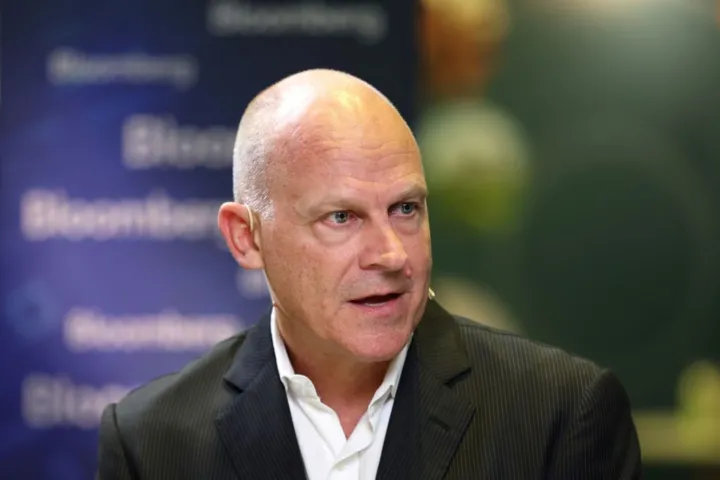
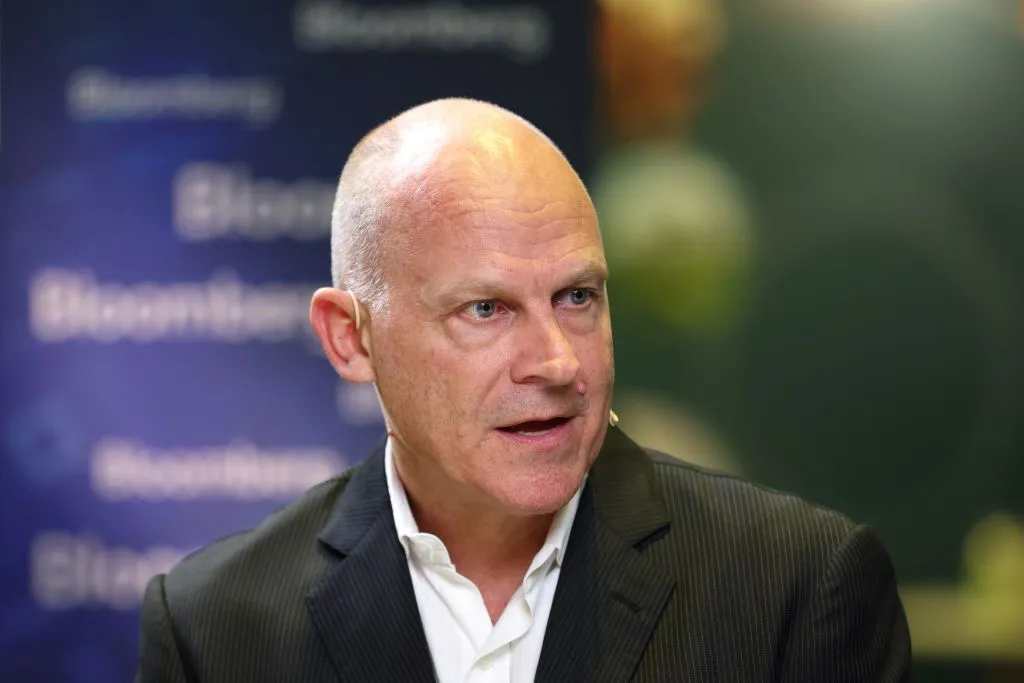
Campbell Wilson has formally tendered a resignation from the role of chief executive officer of Air India, a decision that arrives as the carrier confronts a series of intertwined difficulties, including persistent financial deficits and the lingering repercussions of a catastrophic accident that claimed the lives of 260 passengers and crew members.
Campbell Wilson, whose contractual tenure was originally scheduled to continue through a multi‑year horizon, has aGreed to retain the chief executive officer position and the managing director responsibilities of Air India until a successor is officially appointed. Air India has communicated this arrangement publicly, emphasizing continuity of leadership throughout the transitional period.
Before joining Air India, Campbell Wilson accumulated extensive experience as an executive with Singapore Airlines, where the focus lay on operational excellence and network development. Tata Group recruited Campbell Wilson with the explicit mandate of engineering a turnaround for Air India following the acquisition of the carrier from the Indian government. The acquisition marked a significant inflection point for Air India, introducing new capital, strategic direction, and expectations of revitalization.
During Campbell Wilson’s stewardship, Air India embarked on a comprehensive programme of aircraft refurbishment, introducing updated cabin interiors, modernised in‑flight entertainment systems, and refreshed livery designs. Alongside the physical upgrades, Air India implemented a broad restructuring of its operational framework, aiming to streamline processes, optimise route profitability, and enhance cost efficiency.
Despite the visible improvements to the fleet and operational architecture, Air India continued to wrestle with safety‑related concerns that emerged in the wake of the tragic accident. The accident, which resulted in the loss of 260 lives, prompted heightened scrutiny from regulators, passengers, and industry observers. Air India responded by initiating a series of safety audits, reinforcing training programmes for flight crew and ground personnel, and upgrading maintenance protocols to align with international best practices.
Operational challenges persisted in parallel with safety initiatives. Air India faced irregularities in on‑time performance, baggage handling bottlenecks, and inconsistencies in service delivery across both domestic and international segments. These operational pain points contributed to a perception among travelers that the carrier’s transformation was still incomplete.
In response to the evolving leadership landscape, the board of Air India convened a dedicated committee tasked with identifying a suitable successor for the chief executive officer role. The committee, comprising senior members of the board and external advisors, has been instructed to evaluate candidates based on a blend of industry expertise, change‑management capability, and alignment with the strategic vision articulated by Tata Group.
The selection process is expected to span several months, during which time Campbell Wilson will continue to oversee daily operations, ensure strategic initiatives remain on track, and mentor senior executives to preserve institutional knowledge.
In a recent conversation with Air India Chairman N Chandrasekaran, Campbell Wilson expressed a desire to vacate the chief executive officer position at a future point, signalling a willingness to facilitate a smooth handover. Campbell Wilson articulated confidence that Air India had reached a stage of stability that would support a seamless transition of leadership.
Campbell Wilson conveyed to Air India Chairman N Chandrasekaran that the timing was opportune for the transfer of responsibilities, emphasizing the importance of maintaining momentum as Air India entered the next phase of its ascent in the global aviation market.
When addressing the broader Air India workforce through an internal communiqué, Campbell Wilson highlighted the breadth of transformation undertaken since joining the organization. Campbell Wilson detailed the modernization of core systems, the launch of innovative product offerings, and the elevation of service standards across both ground‑based and airborne operations.
Campbell Wilson emphasized that Air India had advanced through a “comprehensive transformation”, noting achievements such as the integration of digital booking platforms, the introduction of premium cabin experiences, and the implementation of rigorous operational benchmarks that aligned Air India more closely with global carriers.
Looking forward, Air India remains committed to consolidating the gains achieved under Campbell Wilson’s leadership while addressing the residual challenges that have historically hampered performance. Tata Group continues to provide strategic oversight and financial backing, reinforcing the carrier’s capacity to invest in technology, talent, and infrastructure.
Air India’s strategic roadmap, as articulated by Tata Group and endorsed by Air India Chairman N Chandrasekaran, envisions a sustained focus on profitability, network expansion, and brand rejuvenation. The forthcoming chief executive officer will inherit a platform that, while still confronting headwinds, possesses a solid foundation for future growth.
The aviation industry at large is observing Air India’s leadership transition with keen interest, recognizing that the outcomes will have broader implications for market dynamics in the region. Analysts anticipate that the appointment of a new chief executive officer will be a pivotal moment, potentially redefining Air India’s competitive positioning and influencing investor confidence.
Regardless of the identity of the successor, the overarching objective remains consistent: to guide Air India toward a trajectory of sustained financial health, operational excellence, and enhanced safety performance, thereby restoring the confidence of passengers and stakeholders alike.