Meme‑Driven Narrative: From “middleman energy” to inflation jokes, the internet turns high‑stakes diplomacy into a meme fest
Pakistan stepping in as a mediator between the United States and Iran has sparked a tidal wave of visual jokes across social platforms. Users have seized the moment to weave together references from classic television, contemporary slang, and everyday concerns, creating a layered tapestry of humor that mirrors the seriousness of the diplomatic effort while lightening the discourse.
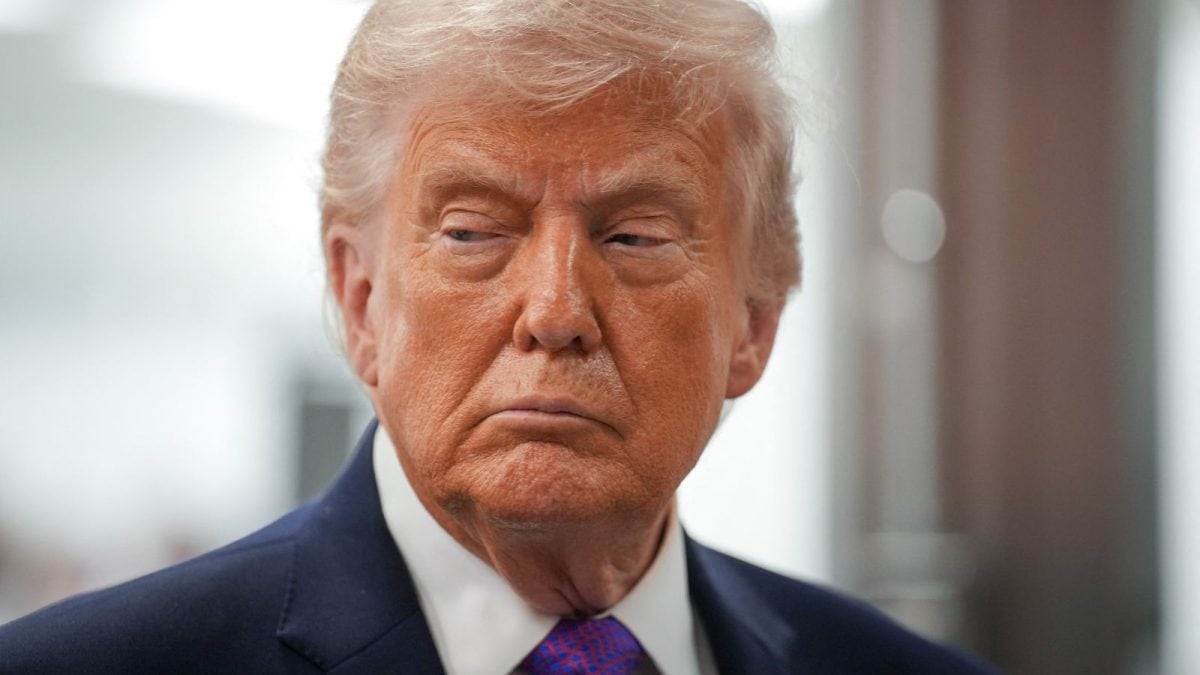
The United States and Iran reached a temporary cease‑fire lasting two weeks, an aGreement that arrived just before the deadline set by Donald Trump for a possible military operation against Tehran. With the cease‑fire in place, both parties have aGreed to resume negotiations on neutral ground. That neutral ground is Pakistan, where the next round of discussions will be hosted later this week.
Pakistan’s unexpected involvement has become a magnet for meme creators. Within minutes of the announcement, the feed on X flooded with images, captions, and videos that positioned Pakistan as the cool‑headed, behind‑the‑scenes tactician. The speed of the response demonstrates how quickly internet culture can latch onto geopolitical shifts and turn them into shared moments of levity.
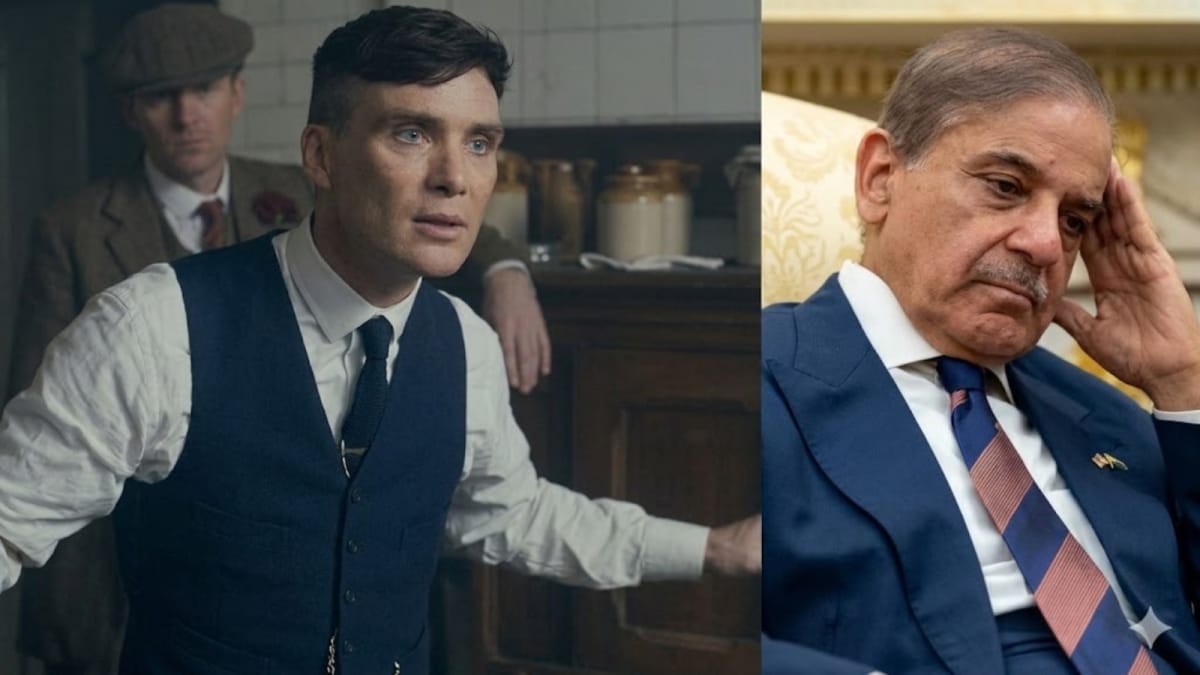
One of the most shared visual jokes repurposes a screenshot of Cillian Murphy in his role as Tommy Shelby from the acclaimed series Peaky Blinders. In the meme, Tommy Shelby’s signature flat cap and steely gaze are superimposed over a map of the region, with the caption suggesting that Pakistan, like Tommy Shelby, is the calm yet calculating mind steering the negotiations. The juxtaposition highlights the perception of Pakistan as a strategic player capable of balancing power dynamics while maintaining composure.
Another popular meme likens Pakistan to a wedding mediator, a cultural figure who steps in to calm feuding families during a large celebration. The image shows a traditional wedding scene, complete with vibrant drapes and guests, while a caption reads, “When Pakistan steps in, even the most stubborn relatives pause to listen.” This analogy taps into the idea that Pakistan’s role is to keep the dialogue constructive, much like a mediator calming heated relatives at a wedding.
Shehbaz Sharif, the political leader who has taken up the mediator role, publicly stated that Pakistan is prepared to host delegations from both sides in order to craft a “conclusive aGreement.” This declaration has only added fuel to the meme furnace, prompting further creative expressions that reference Sharif’s readiness to be the facilitator on the diplomatic stage.
Beyond the high‑profile references, everyday internet users have added their own spin. A recurring theme presents the situation as a group‑chat administrator trying to halt a heated argument between two members. The visual typically shows a smartphone screen with two angry avatars, while the admin icon bears the flag of Pakistan. The caption reads, “When the admin is Pakistan, the chat finally cools down,” reinforcing the perception of Pakistan as an impartial guard in the conversation.
Some meme creators have escalated the metaphor to a heavyweight boxing match, depicting Pakistan as the referee wearing a striped shirt, poised between two boxers representing the United States and Iran. The referee’s whistle is illustrated as a peace dove, symbolizing the cease‑fire. This imagery serves to underline Pakistan’s role in ensuring that punches are exchanged only within aGreed boundaries.
Another strand of humor portrays the scenario as a classic “broker energy” situation, a phrase that has gained traction among netizens. In these memes, Pakistan is shown as a power line connector linking two massive generators labeled United States and Iran. The caption reads, “Pakistan providing the middleman energy that keeps the grid stable.” This visual metaphor emphasizes the belief that Pakistan is the essential conduit enabling dialogue without overloading the system.
Not all comments are purely playful; a portion of the online audience has expressed skepticism about the durability of the cease‑fire. One user wrote, “If the cease‑fire is based solely on the promises of two sides, I request that no one lower their guard.” Another user asked, “Has a less affluent nation like Pakistan overtaken India in foreign‑policy influence?” These remarks reflect a mixture of curiosity and caution regarding Pakistan’s diplomatic aspirations.
A particularly ironic Hindi comment circulated widely. The phrase, translated loosely, says, “The company has gone bankrupt, yet it somehow still runs at a profit.” This sarcastic observation targets the apparent contradictions perceived in Pakistan’s foreign‑policy maneuvers, suggesting that despite internal challenges, the nation appears to be pulling off a diplomatic win.
The Strait of Hormuz, a strategic maritime chokepoint, also entered the meme arena. Reports indicated that Iran would allow ship traffic under specified conditions. Internet creators responded with jokes of Pakistan suddenly assuming “traffic‑management duties” in the narrow waterway, illustrated by a cartoon traffic cop waving a Pakistani flag while directing ships. The humor underscores the global significance of the region and the perception that Pakistan may be extending its influence into high‑risk logistics.
Finally, everyday economic concerns seeped into the meme stream. One viral caption read, “Great, now can we get a cease‑fire on inflation too?” This line captures the everyday frustration of citizens who see international tensions spilling over into domestic cost‑of‑living pressures. By aligning the desire for peace with personal financial relief, users highlight how macro‑political events ripple down to individual hardships.
The sheer volume and variety of these memes demonstrate how modern digital culture can synthesize complex geopolitical developments into shared visual jokes. While the original diplomatic move remains serious, the internet’s response provides a collective coping mechanism, allowing people worldwide to process the news through humor and cultural references.
In sum, the wave of memes surrounding Pakistan’s role as mediator between the United States and Iran illustrates the power of online communities to reframe high‑stakes negotiations in relatable, entertaining terms. Whether through references to televised gangsters, wedding mediators, or traffic controllers, the internet has turned a pivotal diplomatic moment into an extensive, multi‑layered meme marathon that continues to evolve as discussions progress.