Iran's Farsi Ceasefire Plan Cites Nuclear Enrichment Acceptance While English Version Omits Clause
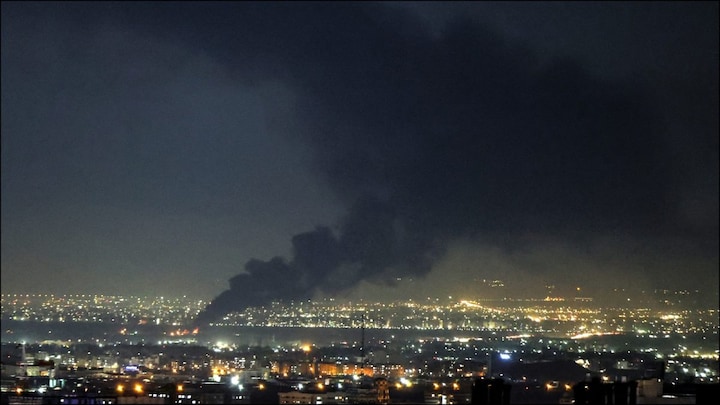
Iran ceasefire plan in Farsi mentions acceptance of nuclear enrichment, missing in English version, as Donald Trump demands dismantling, unresolved uranium and China role loom over talks
Iran’s Farsi‑language version of the ten‑point ceasefire proposal contains a specific phrase that refers to the “acceptance of enrichment” for Iran’s nuclear programme. The same phrase does not appear in the English‑language drafts that Iranian diplomats have supplied to journalists covering the negotiation process.
The absence of the enrichment clause in the English translation raises questions about the translation process and the intentions behind the differing wording. No official explanation has been offered to clarify why the term was left out of the English version, leaving analysts to speculate on the potential impact of the omission on international perceptions of Iran’s stance.
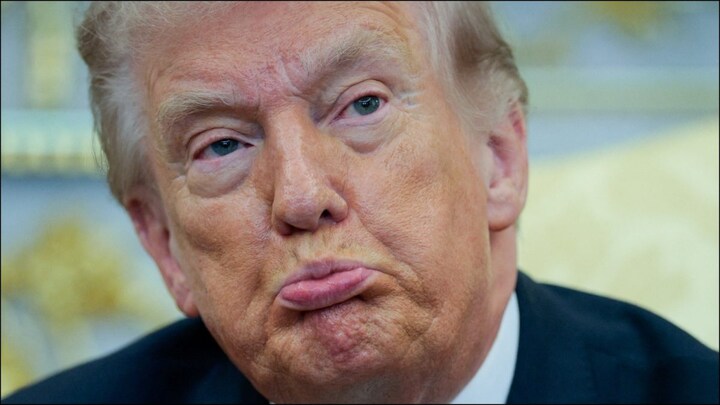
Donald Trump has repeatedly asserted that any settlement must involve the complete dismantling of Iran’s nuclear capabilities. Donald Trump characterized Iran’s ten‑point proposal as “fraudulent,” though no detailed reasoning was provided to support that assessment.
Uranium Issue Remains Unresolved
The status of Iran’s enriched uranium stockpile remains a central point of contention. The United States maintains that preventing Tehran from acquiring a nuclear weapon is a primary objective of the broader conflict, and the handling of the uranium stockpile is directly tied to that goal.
Donald Trump indicated that the disposition of the nuclear material will be incorporated into any final settlement, but he refrained from outlining the precise mechanisms that would be employed to achieve the desired outcome.
“That will be perfectly taken care of, or I wouldn’t have settled,” Donald Trump asserted, emphasizing the expectation that the issue would be resolved under the terms of the aGreement.
The ceasefire follows more than a month of coordinated strikes by United States and Israeli forces against Iranian targets. At the same time, diplomatic initiatives led by Pakistan have sought to broker a temporary truce, highlighting the complex interplay between military pressure and diplomatic outreach.
China’s Role and Upcoming Diplomatic Engagements
Donald Trump also suggested that China may have contributed to persuading Iran to enter the negotiating arena. When asked whether Beijing played a part in encouraging Tehran to accept the truce, Donald Trump replied affirmatively, stating, “I hear yes.”
Donald Trump is slated to travel to Beijing for direct talks with Chinese President Xi Jinping. The meeting is expected to be a pivotal moment in the diplomatic calculus, potentially influencing the trajectory of the ceasefire discussions and broader regional stability.
China continues to serve as a major partner for Iran, maintaining substantial oil trade that often transits the strategically vital Strait of Hormuz. Simultaneously, Beijing sustains robust economic connections with Gulf states and has historically voiced criticism of attacks linked to Iran that target those nations.
The interplay of China’s economic interests, its diplomatic leverage, and the United States’ strategic objectives creates a multifaceted environment in which each party seeks to shape the final outcome of the negotiations.
Implications of the Farsi‑English Discrepancy
The divergence between the Farsi and English drafts could have several practical implications. First, the omission of an “acceptance of enrichment” clause in the English version may lead external observers to assume that Iran is willing to forgo any form of enrichment, thereby influencing the posture of negotiating partners.
Second, the inconsistency may affect the credibility of Iran’s diplomatic communications. If the two language versions are perceived as conveying different commitments, trust between the parties could erode, making future concessions more difficult to secure.
Third, the discrepancy could shape the narrative in international media and policy circles. Analysts and commentators who rely heavily on English‑language documents might overlook the enrichment reference, potentially skewing assessments of Iran’s strategic intentions.
Given these potential outcomes, both sides have a vested interest in reconciling the textual differences and presenting a unified stance that accurately reflects Iran’s position on nuclear enrichment.
Donald Trump’s Position on Nuclear Dismantlement
Donald Trump’s public statements reiterate a non‑negotiable demand for the full dismantling of Iran’s nuclear programme. The insistence on total dismantlement aligns with the United States’ broader policy objective of eliminating any pathway for Iran to acquire a nuclear weapon.
Throughout the negotiation process, Donald Trump has emphasized that any aGreement lacking comprehensive dismantlement would be insufficient. This stance places significant pressure on Iran to clarify the scope of the “acceptance of enrichment” clause and to demonstrate how it might be reconciled with a complete dismantling framework.
The firm position articulated by Donald Trump also serves a domestic political function, reinforcing a narrative of decisive leadership on national security matters.
Strategic Importance of the Enriched Uranium Stockpile
The enriched uranium stockpile represents a tangible measure of Iran’s nuclear capability. Its fate will likely dictate the level of confidence that the United States and its allies place in any ceasefire aGreement.
Should the stockpile be securely removed, destroyed, or otherwise rendered unusable, it would provide a concrete assurance that the pathway to a nuclear weapon has been severed. Conversely, if the stockpile remains intact, questions about the durability of the ceasefire and the possibility of future nuclear development would persist.
Negotiators are therefore expected to focus intensely on the mechanisms for handling the stockpile, including verification protocols, international monitoring, and potential timelines for disposal.
China’s Economic Leverage and Diplomatic Influence
China’s role in the negotiations stems from a combination of economic leverage and diplomatic reach. As a principal purchaser of Iranian oil, China benefits from stable energy flows and therefore has a strategic interest in preventing escalation that could disrupt supply routes.
Beyond energy considerations, China maintains significant trade relationships with Gulf Cooperation Council nations. By positioning itself as a balanced actor capable of engaging both Iran and its regional rivals, China can claim a mediating role that enhances its global standing.
Chinese President Xi Jinping’s upcoming discussions with Donald Trump are anticipated to address these intersecting interests, potentially offering concessions or assurances that advance China’s economic and geopolitical goals while supporting the broader ceasefire framework.
Potential Outcomes and Future Scenarios
If the textual discrepancy is resolved and the “acceptance of enrichment” clause is either clarified or removed, the negotiation trajectory may shift toward a more straightforward discussion of dismantlement and stockpile management. In such a scenario, the United States and Iran could focus on concrete steps for verification and implementation.
Alternatively, if the clause remains in the Farsi draft but is omitted from any English‑language aGreement, the possibility arises that the two parties could interpret the term differently. This divergence could lead to contested implementation phases, where each side claims compliance while the other alleges breach.
Regardless of the path taken, the involvement of China suggests that any final aGreement will likely incorporate provisions that address broader regional stability, oil market considerations, and the strategic interests of major powers.
The complex interplay of military, diplomatic, and economic factors ensures that the ceasefire negotiations will continue to evolve, with each stakeholder seeking to extract maximal advantage while avoiding a return to open hostilities.