Tehran Streets Burst into Celebration Following United States–Iran Ceasefire Announcement
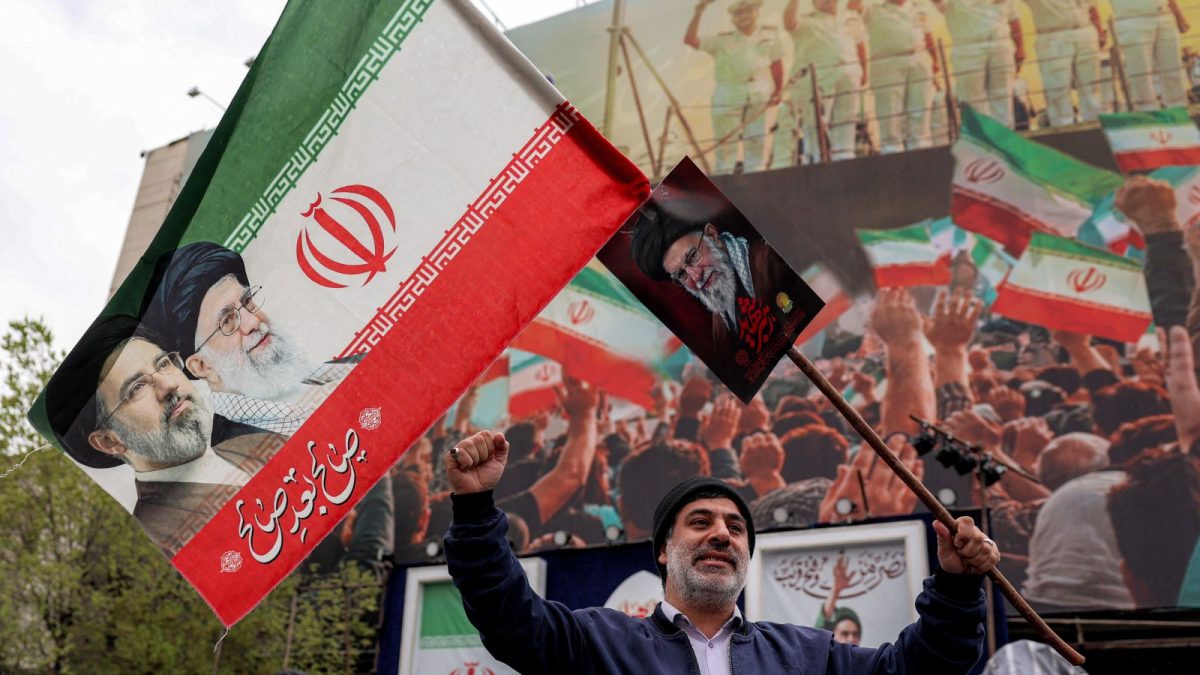
Across the capital, massive gatherings erupted as residents poured onto major thoroughfares, waving flags and vocalising collective relief after the declaration of a two‑week cessation of hostilities between United States and Iran.

Demonstrators were heard chanting slogans against both United States and Israel, reflecting deep‑seated political sentiments amid the recent conflict.
As night fell, the energy in Tehran shifted from tension to triumph. Residents moved in coordinated waves, their voices intertwining in a chorus that condemned United States and Israel while simultaneously praising the diplomatic role played by Pakistan. The chants, rhythmic and resolute, echoed from bustling squares to quieter alleyways, underscoring a shared perception that the ceasefire represented a fleeting victory after weeks of heightened alert.
Flags of varied colours fluttered alongside makeshift banners emblazoned with slogans demanding accountability. The visual tableau was complemented by the audible rhythm of shoes striking pavement, drums beat in the background, and children clapped in spontaneous displays of joy. Every individual present seemed to embody a collective yearning for a pause in the conflict that had cast a long shadow over daily life.
Massive Turnout Highlights Public Desire for Calm
Estimations of attendance were impossible to verify, yet the sheer density of participants suggested a broad‑based desire for respite. Streets that earlier in the week had been hushed by curfews and heightened security measures transformed into open‑air arenas of public expression. People of all ages, from elderly onlookers to school‑aged youngsters, stood shoulder to shoulder, their faces illuminated by nearby streetlights and the soft glow of mobile devices held aloft like lanterns.
The celebratory atmosphere was punctuated by moments of spontaneous applause, with small groups forming circles to chant unified refrains. In many instances, participants raised makeshift signs praising the diplomatic intervention that had been facilitated with assistance from Pakistan, a gesture that many described as a critical turning point that averted further escalation.
Expressions of Gratitude Towards Pakistan’s Mediation Efforts
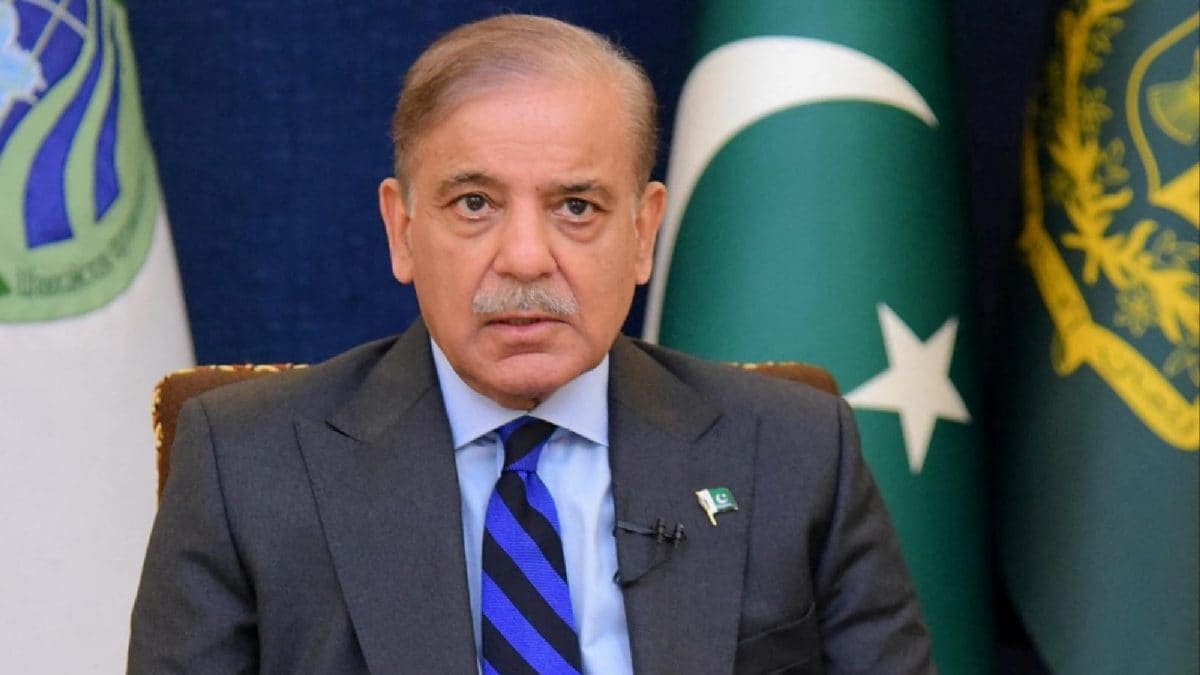
The role of Pakistan emerged as a recurring theme in the evening’s discourse. Demonstrators repeatedly referenced Pakistan’s contribution, often pairing gratitude with calls for sustained diplomatic engagement. The sentiment was clear: while the ceasefire provided a temporary lull, the underlying hope rested on continued dialogue that could pave the way for a more enduring resolution.
In the midst of chants against United States and Israel, the acknowledgment of Pakistan’s involvement reflected a nuanced public perspective—one that recognised the complexity of regional dynamics and the importance of neutral intermediaries in de‑escalating tensions.
Nighttime Celebrations Extend Into Early Hours
The celebratory mood persisted well beyond the immediate announcement. As the night deepened, the streets of Tehran remained illuminated by the flickering lights of cars and the soft glow of candles carried by participants. Music from local radio stations drifted through the air, blending with the continued chanting and intermittent cheers.
Even as the crowds gradually thinned, small clusters lingered, discussing the significance of the ceasefire and expressing cautious optimism. The pervasive feeling among these lingering groups was that the two‑week pause, though limited in duration, had opened a valuable window for diplomatic overtures that might otherwise have remained out of reach.
Uncertainty Lingers Over Future Developments
Despite the jubilant scenes, official channels had not yet released detailed guidance regarding actions beyond the ceasefire window. The absence of a clear roadmap left many observers questioning whether the current pause could transition into a more lasting arrangement.
Analysts referenced the delicate nature of the situation, noting that the temporary cessation required careful stewardship to avoid a swift return to hostility. While public sentiment leaned heavily toward hope, the lack of an immediate official statement meant that the future remained a subject of speculation.
Regional and Global Attention Focused on Tehran’s Turn
The developments in Tehran attracted considerable attention from observers around the world. The ceasefire’s short‑term impact, combined with the visible public enthusiasm, underscored the potential for diplomatic channels to influence outcomes on the ground. International commentators highlighted the significance of a large‑scale public response, interpreting the celebrations as an indicator of popular desire for peace.
While the global community awaited further statements from United States, Iran, and other stakeholders, the immediate atmosphere in Tehran served as a vivid illustration of how a single diplomatic initiative could ripple through a capital’s streets, prompting widespread, emotionally charged participation.