Iran’s Meme Offensive: Embassies Playfully Mock President Donald Trump Over Lost Keys and LEGO Nightmares
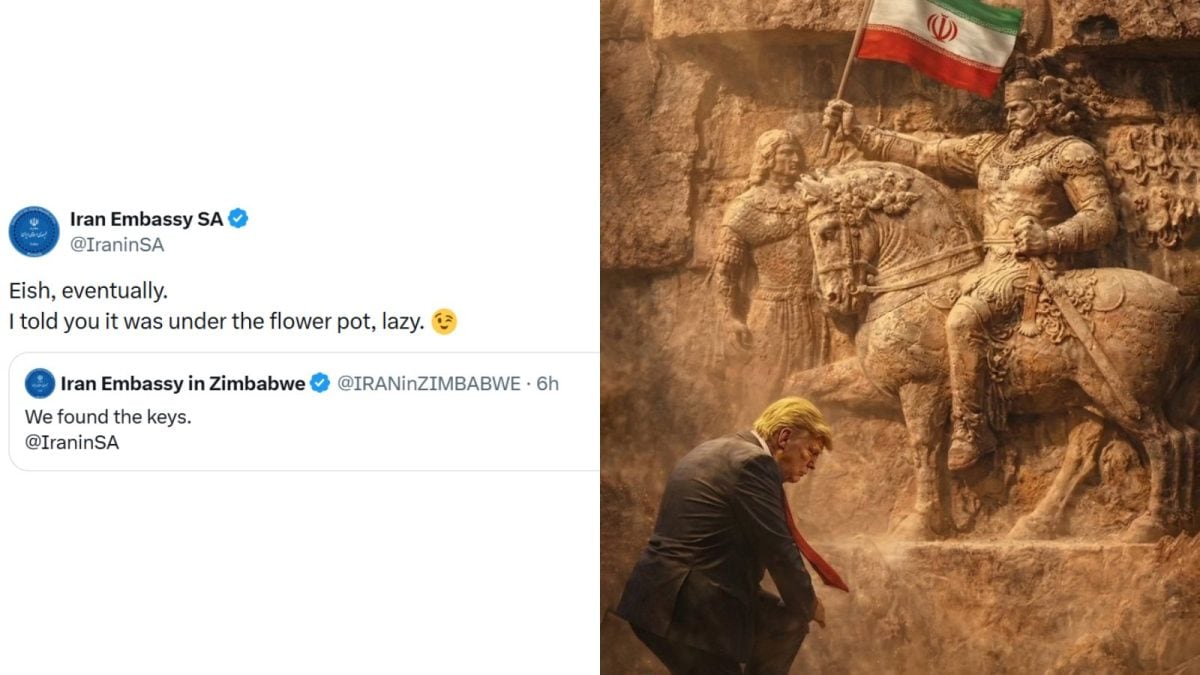
From LEGO‑style ‘nightmare’ videos to cheeky banter about lost keys, Tehran’s digital diplomats prove that while the guns have gone quiet, the memes are just getting started.
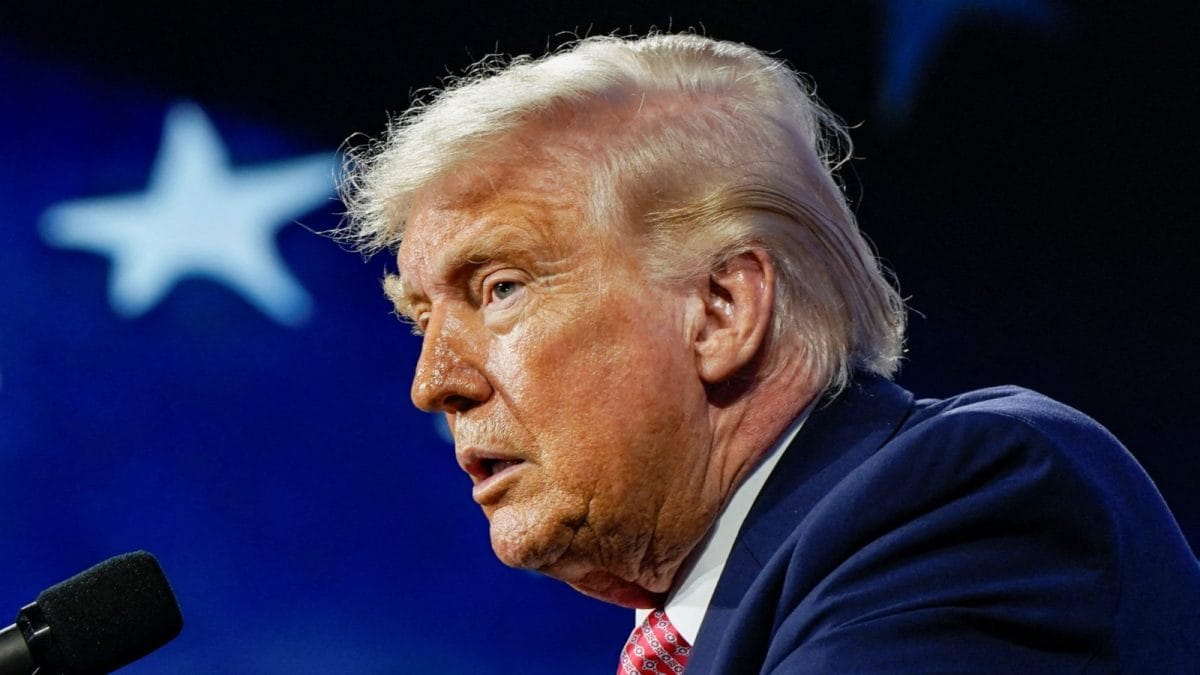
The ink on the recent ceasefire is barely dry, yet a different form of conflict is already spreading across timelines worldwide: Troll Diplomacy. While world leaders breathe a collective sigh of relief after the de‑escalation of the Iran‑Israel‑United States confrontation, Iran’s diplomatic missions are taking a victory lap on social platforms, employing humor to puncture President Donald Trump’s “Stone Age” accusations.
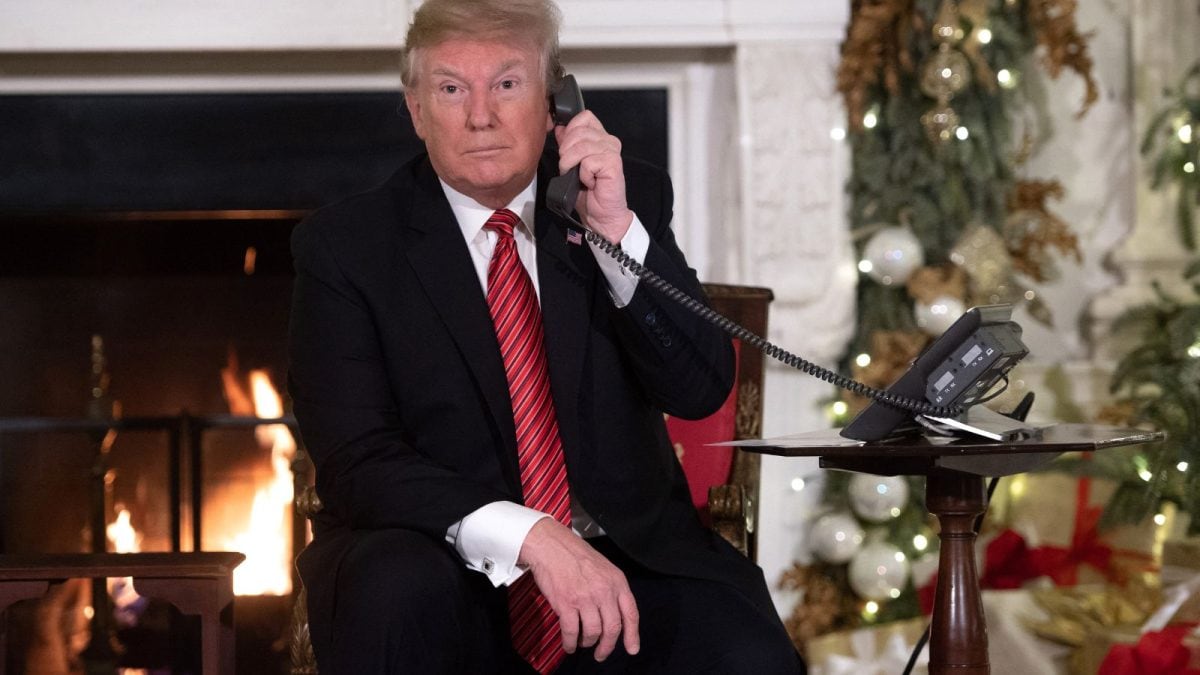
The wave of trolling reached a fever pitch after a viral saga centered on the Strait of Hormuz. During the height of the standoff, when President Donald Trump issued a “reopen or else” ultimatum for the critical shipping lane, the Iranian Embassy in Zimbabwe responded with a deliberately ambiguous post, claiming that the key to the passage had simply been misplaced.
Now that the deadline has passed and a ceasefire remains in effect, the same embassy returned with a “eureka” revelation that sent netizens into fits of laughter:
@IRANinZIMBABWE: “We found the keys. 🔑 @IraninSA”
Iran Embassy SA (South Africa): “Eish, eventually. I told you it was under the flower pot, lazy. 😉”
The exchange, posted by the official South African diplomatic account, quickly amassed thousands of retweets, comments, and meme variations, cementing the episode as a hallmark of Iran’s light‑hearted diplomatic strategy.
Lego‑Style Nightmares: The Victory Video
Fueling the viral fire, a high‑production LEGO‑style animation surfaced on channels linked to Iran’s digital outreach. The short clip portrays a dramatized, satirical scenario in which President Donald Trump experiences a literal nightmare. Within the animated universe, Iran is depicted striking at United States‑aligned targets across the Gulf as retaliation for earlier attacks.
Key locations such as Dubai International Airport and the headquarters of a prominent technology firm are shown under virtual bombardment. The narration asserts that the escalation would thrust the United Arab Emirates “back to the stone age,” a direct jab at President Donald Trump’s earlier rhetoric. The video culminates with a panicked President Donald Trump losing sleep, desperately calling for a ceasefire while acknowledging that Iran’s “retaliation” has brought both the United States and Gulf states to their knees.
The animation, rendered with meticulous LEGO brick details, quickly became a trending topic, inspiring a flood of reaction videos, parody edits, and commentary threads that dissected each frame for hidden meanings.
“We Won’t Be Silenced”: Digital Defiance After the Truce
Even as the fragile peace settles, Iran Embassy SA reinforced that “silence” was never part of the aGreement. Responding to circulating rumors that the United States had attempted to restrain Iran’s online presence as one of the fifteen ceasefire conditions, the South African diplomatic account posted a tongue‑in‑cheek denial:
“I heard that one of the 15 conditions set by the United States was that we @IraninSA should not publish posts. 😁 Don’t worry, this condition was not accepted.”
The statement, shared alongside a smiling emoji, signaled that Iran’s diplomatic corps intended to keep its social media channels active, using humor as a tool of soft power.
This is not the first instance in which these accounts have captured global attention. When President Donald Trump originally set an 8 P.M. deadline for the Strait of Hormuz, the Zimbabwean diplomatic mission treated the ultimatum with a casual, almost bureaucratic tone:
“8 P.M. is not that good. Could you change it to between 1 and 2 P.M., or if possible, 1 and 2 A.M.? Thank you for your attention to this important matter.”
The playful phrasing turned a serious diplomatic demand into a meme‑friendly exchange, showcasing the embassy’s skill at blending official discourse with internet culture.
Origins of Iran’s Online Diplomacy Strategy
Iran’s turn toward meme‑centric communication did not emerge spontaneously. Over the past few years, Tehran has invested in a network of social‑media‑savvy officials, digital strategists, and creative agencies tasked with shaping narratives beyond traditional press releases. The approach aims to reach younger audiences, bypass conventional media filters, and project a sense of confidence and irreverence on the world stage.
Key components of the strategy include:
- Authentic Voice: Accounts adopt a conversational tone, using slang, emojis, and regional expressions that resonate with everyday users.
- Visual Storytelling: High‑quality graphics, animation, and short video clips are employed to convey complex geopolitical messages in bite‑size formats.
- Rapid Response: Timely replies to breaking news allow Iran’s diplomatic brands to shape the conversation before alternative narratives settle.
- Humor as a Defensive Shield: By framing contentious issues as jokes or memes, the diplomatic corps can deflect criticism while still delivering a pointed message.
Through these tactics, Iran has managed to keep its perspective visible in an information environment where traditional official statements often get drowned out.
Impact on International Perception
Analysts note that Iran’s meme‑driven outreach yields mixed results. On the one hand, the light‑hearted tone softens the image of a nation frequently portrayed in Western media as hostile. The viral key‑finding post, for example, humanized Iran’s diplomatic staff, presenting them as playful problem‑solvers rather than stern bureaucrats.
On the other hand, opponents argue that humor can trivialize serious security concerns, risking misinterpretation of Tehran’s intentions. The LEGO‑style nightmare video, while technically impressive, was criticized by some observers for amplifying fears of a renewed arms race in the Gulf.
Nevertheless, the undeniable reach of the posts—spreading across multiple platforms, generating thousands of shares, and prompting coverage by major news outlets—demonstrates the potency of digital humor as a diplomatic asset.
Future Directions for Iran’s Digital Diplomacy
Looking ahead, Iran appears poised to continue leveraging meme culture as an integral part of its diplomatic toolbox. Planned initiatives include:
- Expanding the roster of multilingual accounts to reach audiences beyond English‑speaking users.
- Collaborating with regional influencers to co‑create content that blends local humor with strategic messaging.
- Launching a series of animated shorts that explore historical events from Iran’s perspective, using the same LEGO aesthetic that proved successful.
- Developing a rapid‑response unit dedicated to monitoring global trends and injecting timely, humorous commentary whenever geopolitical flashpoints arise.
These steps suggest a long‑term commitment to a soft‑power approach that prioritizes visibility, relatability, and a touch of irreverence.